
How Do I 3D Print for Hardware and Plastic Mold Fast Sampling
Author: SZTC
2026-05-09


Samuel Song Your service representative
Specializing in zinc-aluminum-magnesium alloy die-casting processing, CNC milling, CNC turning, 3D printing, injection molding and sheet metal processing. Manufacturing services.
-----------------------------------------------------------------------------------------------------------------------------------------------------------------------------------------------------------------------------------------------------------------------------------------------------------------------------------------------
Many beginners in the manufacturing industry often ask, how do I 3D print functional samples for hardware processing and plastic mold production. 3D printing has become a mainstream rapid prototyping method, helping factories shorten mold development cycles and verify product structures. This article explains the simple industrial workflow to answer how do I 3D print qualified mechanical and mold samples.
1. Prepare Design Files and Materials
The first step to learn how do I 3D print is to complete basic file preparation and material selection.
1.1 Create Accurate 3D Models
Users need to design CAD models according to product requirements. For plastic molds, the model should contain detailed internal structures; for hardware parts, mechanical tolerance must be reserved for later assembly and testing.
1.2 Choose Industrial-Grade Materials
Select suitable printing materials based on usage scenarios. Resin and engineering plastic are commonly used for mold samples, while stainless steel and aluminum alloy are ideal for durable hardware prototypes.

2. Set Up Printing Parameters
The second stage of how do I 3D print focuses on parameter adjustment to ensure industrial sample quality.
2.1 Slice and Optimize Models
Import 3D files into slicing software to generate printing paths. Engineers need to add reasonable support structures, especially for complex mold inserts and irregular hardware brackets.
2.2 Adjust Precision and Speed
For high-precision mold samples, lower printing speed is required to guarantee smooth surfaces. Ordinary hardware jigs can use faster printing settings to improve sampling efficiency.

3. Print and Post-Process Samples
The final step mastering how do I 3D print is printing execution and post-treatment.
3.1 Start the Printing Process
Transfer the sliced data to industrial 3D printers. The machine stacks materials layer by layer to complete solid prototypes, including plastic mold shells and metal hardware components.
3.2 Finishing and Inspection
Remove printing supports, then polish, sand or cure the samples. Manufacturers must check dimensions, surface flatness and assembly performance before confirming the final prototype.
In conclusion, understanding how do I 3D print helps hardware and mold factories achieve low-cost, fast and repeatable sampling. Standard printing workflows greatly optimize product development and mold trial processes in modern manufacturing.
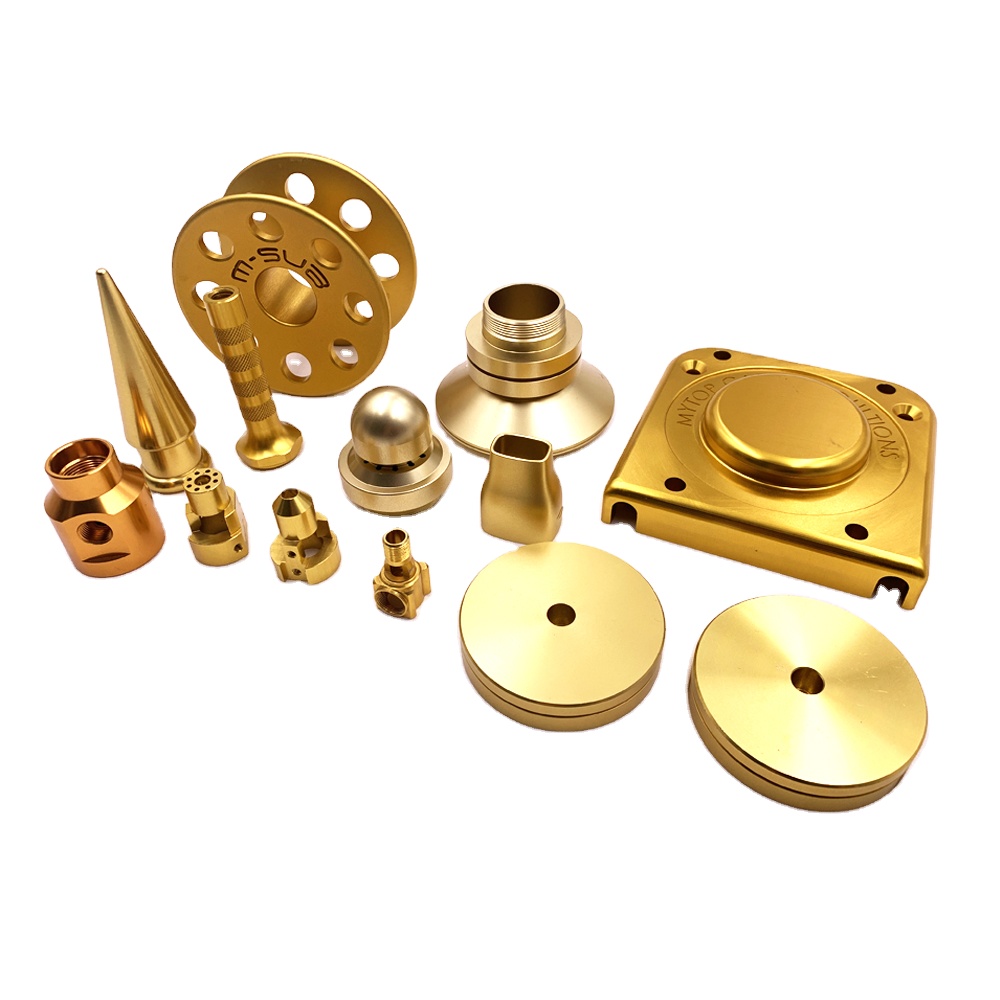
How Do You 3D Print Something for Hardware & Plastic Mold Sampling
Can I Print a 3D Printer for Industrial Rapid Sampling
Related Article

Fast sampling is the fastest way to win business in the hardware machining and plastic mold industries. Customers want a working sample in days, and a 3D printer delivers it, but only when you know how to print in 3d correctly.
how to print in 3d

Fast sampling is the fastest way to win business in the hardware machining and plastic mold industries. Customers often send an STL file and expect a working sample in days.
how to print an stl file

