
How 3D Printers Work for Hardware & Mold Rapid Sampling
Author: SZTC
2026-06-08


Samuel Song Your service representative
Specializing in zinc-aluminum-magnesium alloy die-casting processing, CNC milling, CNC turning, 3D printing, injection molding and sheet metal processing. Manufacturing services.
--------------------------------------------------------------------------------------------------------------------------------------------------------------------------------------------------------------------------------------------------------------------------
For hardware processing and plastic mold manufacturing industries, 3D printing has become an indispensable tool for rapid prototyping. Many factory technicians want to understand how 3D printers work and why they excel at fast sample production. Learning the working mechanism helps operators produce higher-precision mold and hardware prototypes with lower costs.
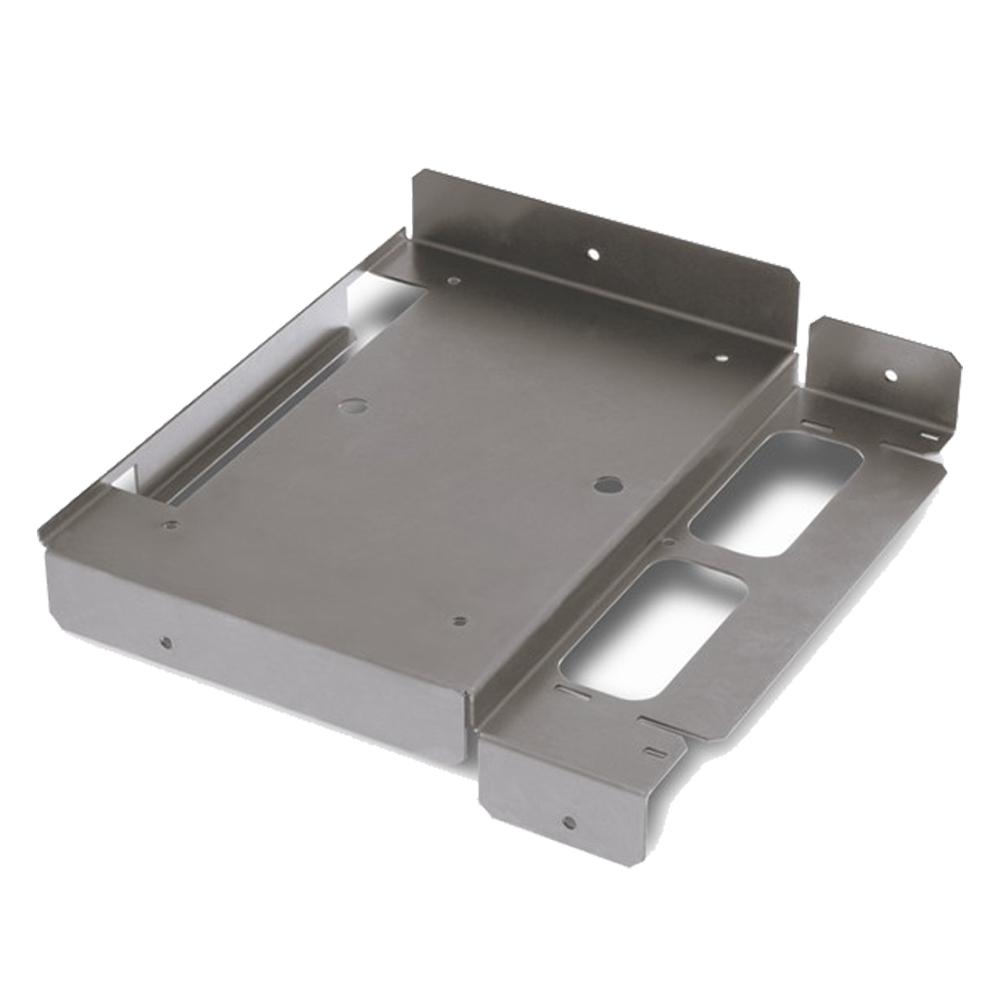
1. The Core Working Principle of 3D Printers
To fully grasp how 3D printers work, it is vital to understand their additive manufacturing logic, which differs greatly from traditional CNC cutting.
1.1 Digital Model Slicing Process
All 3D printing tasks start with a complete digital model. Professional slicing software splits the 3D design into hundreds of ultra-thin horizontal layers and generates precise printing paths. This step converts complex mold and hardware structures into executable printing instructions.
1.2 Layer-by-Layer Material Stacking
The key answer to how 3D printers work is layered stacking. Instead of removing excess materials, 3D printers melt or cure materials layer by layer from bottom to top. This method efficiently forms complete parts without wasting raw materials.
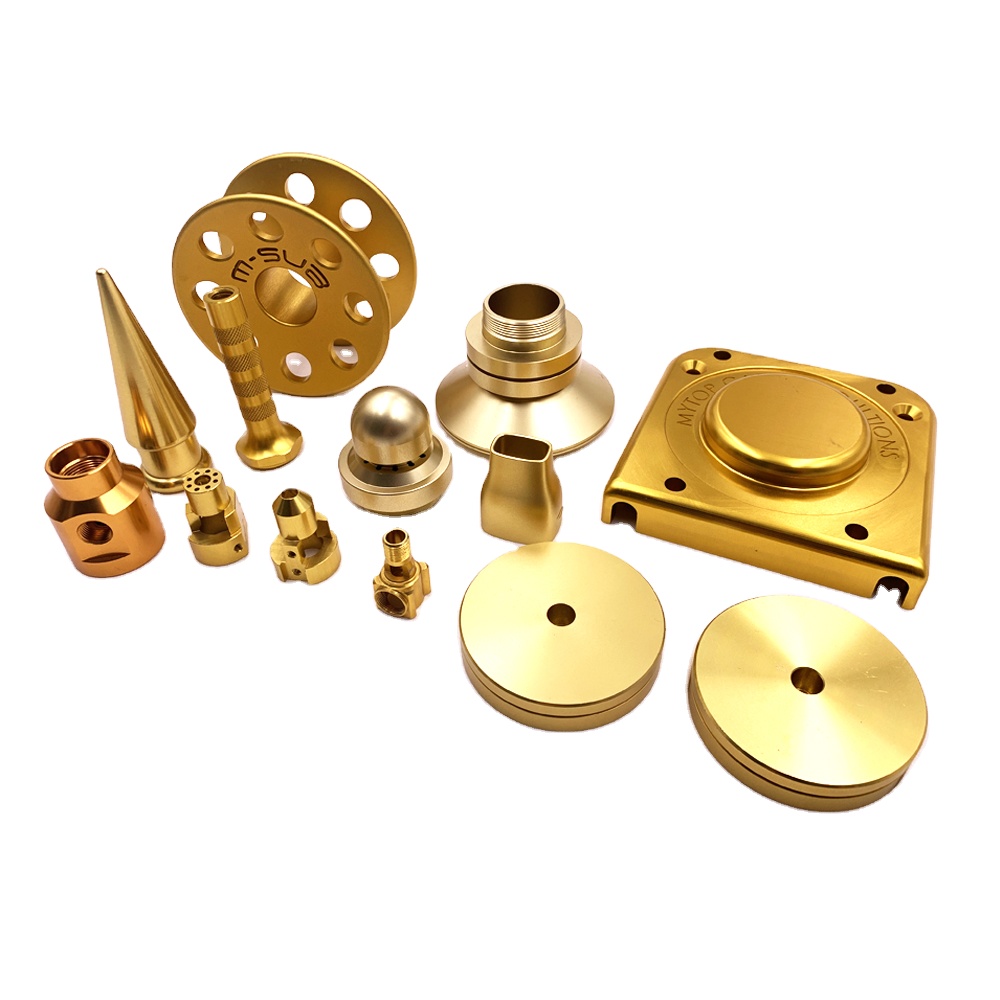
2. Standard Printing Workflow for Industrial Sampling
In daily mold and hardware sample production, how 3D printers work follows a stable and mature industrial workflow.
2.1 Model Optimization and Parameter Setup
Before printing, technicians optimize 3D files by adjusting wall thickness, adding support structures and fixing tiny defects. Tailored parameters for plastic molds and metal hardware parts ensure printing accuracy and avoid deformation.
2.2 Automatic Molding and Post-Processing
The printer automatically follows the programmed path to stack materials continuously. Once printing finishes, workers remove supports and polish the surface. The whole process quickly delivers usable prototypes for structural testing and assembly verification.

3. Industrial Advantages Brought by Its Working Mechanism
The unique working principle explains why 3D printers dominate rapid sampling in manufacturing.
3.1 Adapt to Complex Mold Structures
Traditional machining struggles with intricate hollow structures and fine grooves of plastic molds. Based on layered stacking, 3D printers easily realize complex structural molding, meeting diverse custom sampling demands.
3.2 Improve Hardware Prototyping Efficiency
Understanding how 3D printers work allows factories to replace time-consuming CNC trial processing. It shortens the R&D cycle of custom hardware jigs and accessories while reducing production costs.
In conclusion, knowing how 3D printers work helps hardware and plastic mold factories make full use of rapid printing technology. It supports efficient prototype iteration, improves sampling quality, and greatly enhances overall production competitiveness.
How a 3D Printer Works for Hardware and Mold Rapid Sampling
How 3D Printer Works for Hardware and Mold Rapid Sampling
Related Article

Fast sampling is the fastest way to win business in the hardware machining and plastic mold industries. Customers want a working sample in days, and a 3D printer delivers it, but only when you know how to print in 3d correctly.
how to print in 3d

Fast sampling is the fastest way to win business in the hardware machining and plastic mold industries. Customers often send an STL file and expect a working sample in days.
how to print an stl file

