
Have Something 3D Printed: A Complete Guide for Hardware & Plastic Mold Fast Sampling
Author: SZTC
2026-03-21


Samuel Song Your service representative
Specializing in zinc-aluminum-magnesium alloy die-casting processing, CNC milling, CNC turning, 3D printing, injection molding and sheet metal processing. Manufacturing services.
-----------------------------------------------------------------------------------------------------------------------------------------------------------------------------------------------------------------------------------------------------------------------------------------------------------------------------------------------
In the hardware processing and plastic mold industries, speed and precision can make or break a project—especially when it comes to prototype sampling. Waiting weeks for a traditional machined metal part or a custom mold insert often stalls design verification, delays client approvals, and pushes back product launches. This is where having something 3D printed becomes a game-changing solution: it lets you turn digital CAD designs into tangible, testable samples in hours or days, without the high costs and long lead times of conventional manufacturing.
If you’re new to outsourcing or commissioning 3D printed parts, you might be wondering exactly what it means to have something 3D printed, how the process works for industrial-grade hardware and mold components, and what steps you need to take to get reliable, high-quality results. This guide breaks down everything you need to know about having specialty parts 3D printed, tailored specifically to the fast sampling needs of hardware and plastic mold manufacturers, with clear, actionable guidance for every stage.
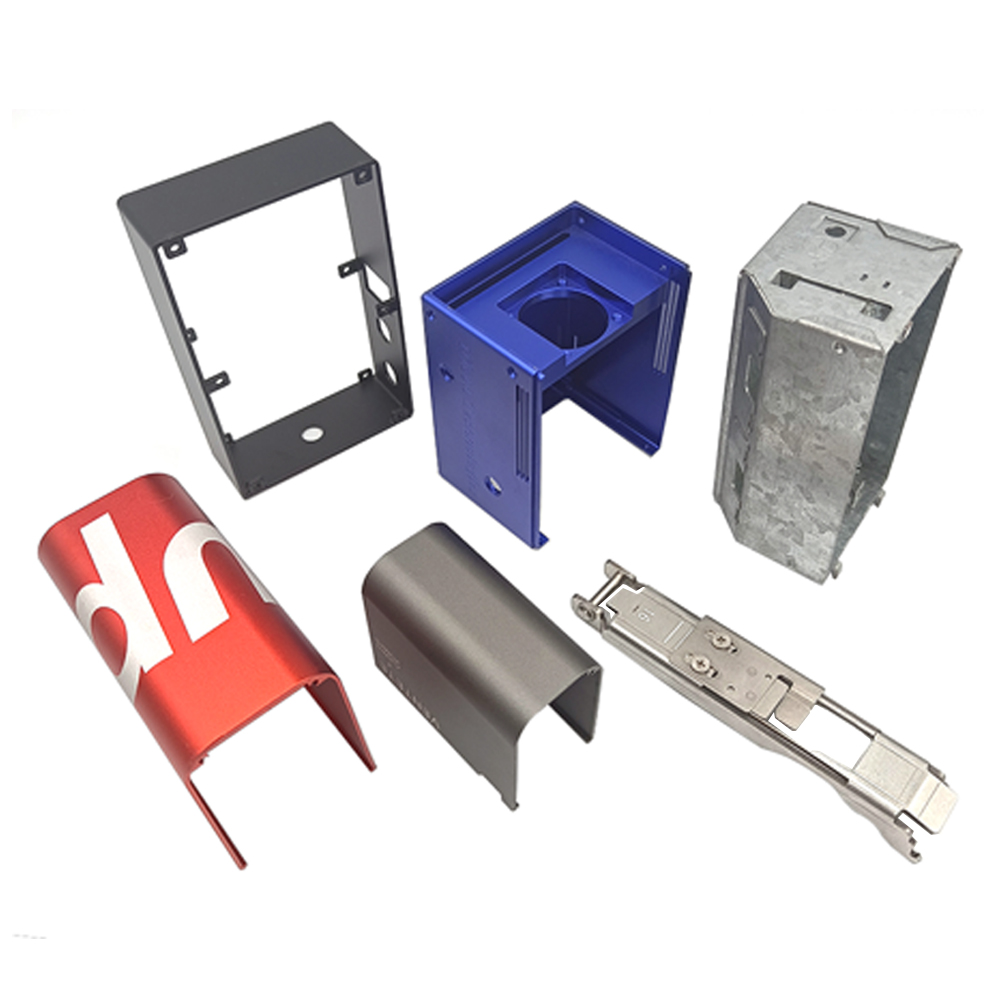
1. What Does It Mean to Have Something 3D Printed? Core Basics for Industry
1.1 The Definition of Having Something 3D Printed
Having something 3D printed refers to the process of commissioning or outsourcing the production of a custom three-dimensional part, prototype, or sample to a professional 3D printing service provider, rather than manufacturing it in-house with traditional tools or investing in your own industrial 3D printing equipment. It is a streamlined, on-demand prototyping method where you provide a digital design file, specify material and precision requirements, and let a specialized service handle the layer-by-layer additive manufacturing, post-processing, and delivery of the finished part.
For hardware and plastic mold industries, this means having critical components—like metal hardware brackets, alloy fasteners, plastic mold inserts, trial mold cavities, and cavity samples—produced quickly and accurately, without the need for custom tooling, CNC programming, or steel mold fabrication upfront. It is the most efficient way to secure fast, functional prototypes for testing, fitting, and client validation.
1.2 Key Benefits of Having Something 3D Printed for Hardware & Mold Work
Choosing to have something 3D printed instead of using traditional prototyping methods delivers targeted advantages that directly solve the biggest pain points of hardware and plastic mold manufacturing, making it an industry standard for fast sampling:
-
Unmatched Speed: Skip weeks of mold making or CNC machining; have small to medium samples ready in 24–48 hours, perfect for urgent project deadlines and last-minute design tweaks.
-
Lower Upfront Costs: Avoid expensive tooling, mold steel, and machining setup fees; pay only for the material and printing service needed for your prototype.
-
Design Flexibility: Have complex, intricate parts printed—like detailed mold cavities or custom hardware structures—that are nearly impossible to produce with traditional methods.
-
Minimal Risk: Test and validate designs before investing in full-scale production, catching flaws early to avoid costly rework and production delays.
-
Confidentiality & Convenience: Work with trusted industrial providers to protect sensitive mold and hardware designs, without the hassle of operating and maintaining expensive in-house printers.
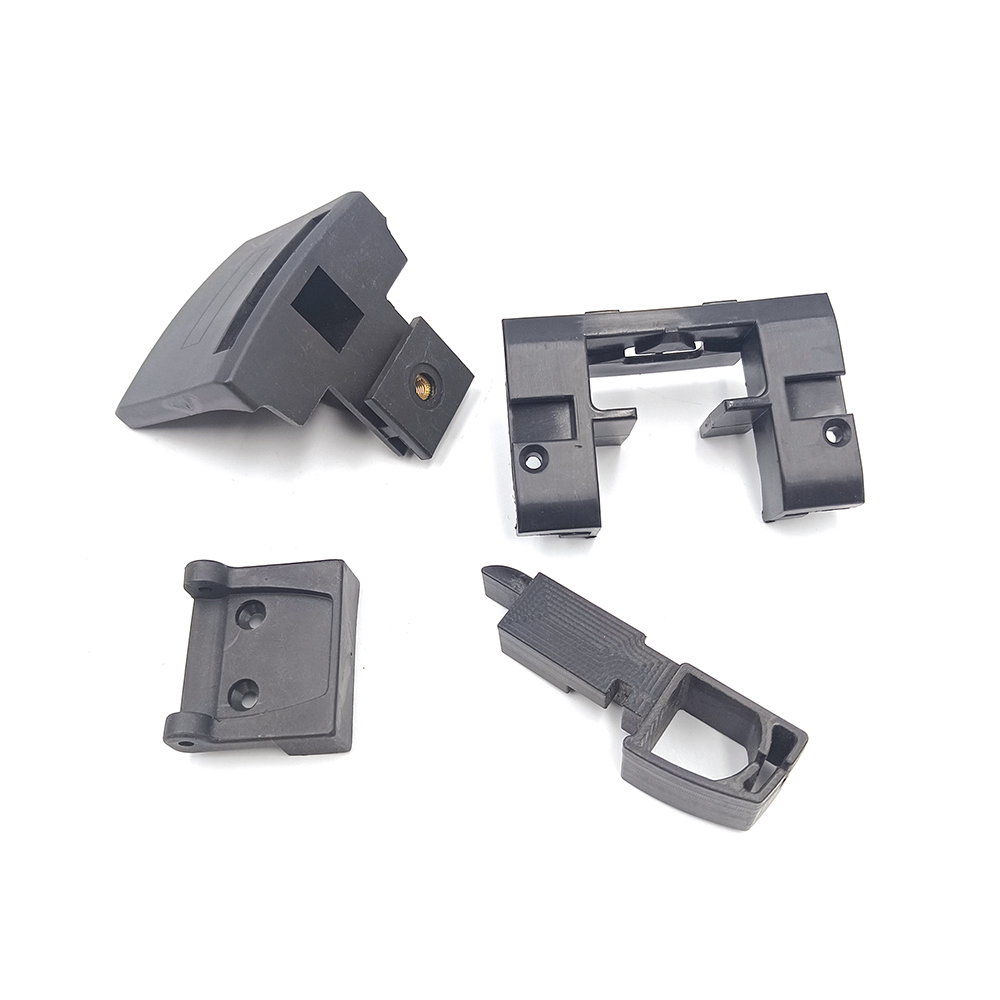
2. Step-by-Step Process to Have Something 3D Printed (Industry-Focused)
Having something 3D printed for hardware or plastic mold use follows a straightforward, industrial-grade process designed for efficiency and precision. Unlike consumer 3D printing, industrial commissioning requires attention to material selection, design specifications, and post-processing to ensure the final sample meets industry standards. Below is the complete, actionable workflow.
2.1 Prepare & Finalize Your Digital Design File
The first and most critical step to have something 3D printed is preparing a accurate, print-ready CAD (Computer-Aided Design) file. For hardware parts, this includes detailed specifications for metal components (dimensions, tolerance requirements, material strength needs); for plastic mold pieces, this means precise cavity designs, draft angles, and cooling channel details.
Ensure your file is in a standard 3D printing format (STL, STEP, or IGES) and double-check for design errors that could affect printing quality. Most professional 3D printing services offer free file review, so you can confirm your design is printable and optimized for fast turnaround before placing an order. This step ensures the part you have printed matches your exact industrial requirements.
2.2 Choose a Reliable Industrial 3D Printing ServiceNot all 3D printing services are equipped to handle industrial-grade hardware and mold parts, so selecting the right provider is key to having something 3D printed successfully. Prioritize specialized industrial service bureaus that offer metal 3D printing (for hardware) and high-temperature resin printing (for mold inserts), with experience serving manufacturing clients.Opt for local industrial workshops for urgent, same-day orders or reputable online platforms for scalable, nationwide service. Verify their material options, precision capabilities, and post-processing services (sanding, heat treatment, support removal) to ensure they can meet your industry-specific needs. A qualified provider will guide you through material selection and timeline expectations, making the process seamless.2.3 Confirm Specifications & Place Your Order
Once you’ve chosen a provider, confirm all key details to have something 3D printed correctly: material type (stainless steel/aluminum for hardware, high-temp resin for molds), layer thickness, tolerance levels, quantity, and turnaround time. For fast sampling, specify expedited printing if you need the part within 24 hours.
Most industrial providers offer transparent quoting and order tracking, so you can monitor the progress of your printed part. Share any special post-processing requests upfront, such as smooth surface finishing for mold cavities or heat treatment for metal hardware strength, to avoid delays after printing.
2.4 Receive, Inspect & Use Your 3D Printed Sample
After printing and post-processing are complete, your sample will be delivered or ready for pickup. Take time to inspect the part for dimensional accuracy, surface quality, and functionality—verify that it fits your hardware assembly or mold setup as intended.
If any design adjustments are needed, simply revise the CAD file and have an updated version printed quickly, a flexibility that traditional prototyping cannot match. Your 3D printed sample is now ready for design testing, client approval, or pre-production validation, completing the fast sampling cycle.

3. Pro Tips to Have Something 3D Printed Successfully for Hardware & Mold
To ensure you have something 3D printed efficiently, cost-effectively, and to the highest industrial standard, follow these targeted tips tailored to hardware processing and plastic mold manufacturing. These best practices will help you avoid common mistakes and get the most out of your 3D printing commission.
3.1 Select the Right Material for Your Industrial Needs
Material choice directly impacts the performance of your 3D printed sample, so choose carefully when having something 3D printed: for hardware parts, opt for stainless steel, aluminum, or tool steel powders for durable, functional prototypes that mimic final production parts; for plastic mold components, use high-temperature resistant resin or engineering plastic that can withstand trial injection molding and repeated testing.
Avoid consumer-grade materials for industrial use—they won’t hold up to testing or meet industry precision standards. Your 3D printing provider can recommend the best material based on your specific application and sampling goals.
3.2 Prioritize Speed Without Sacrificing Quality
The main reason to have something 3D printed is fast sampling, but speed shouldn’t compromise quality. Communicate your deadline clearly to your provider: for ultra-urgent requests, choose local workshops with same-day printing; for standard orders, opt for 48-hour turnaround to ensure proper printing and post-processing.
Reputable industrial providers balance speed and precision, so you won’t have to choose between a fast sample and a usable one. Avoid rushing the process unnecessarily, as proper layer bonding and finishing ensure your sample is fit for purpose.
3.3 Protect Intellectual Property & Choose Trusted Partners
Hardware and mold designs are often confidential, so when having something 3D printed, partner with providers that offer strict IP protection and non-disclosure agreements. This safeguards your proprietary mold cavities, custom hardware designs, and product specifications from unauthorized use or sharing.
Establish long-term relationships with reliable providers for ongoing sampling needs—this ensures consistent quality, faster order processing, and tailored service for repeated design iterations and urgent requests.
Final Wrap-Up: Having something 3D printed is more than just ordering a prototype—it’s a strategic, efficient solution for hardware processing and plastic mold industries to overcome slow, costly traditional sampling. It means turning digital designs into physical, testable parts on demand, with minimal hassle, low risk, and unbeatable speed. By following the right process and choosing a qualified industrial provider, you can streamline your product development cycle, accelerate client approvals, and stay competitive in a fast-paced manufacturing market. For any hardware or mold professional, knowing how to have something 3D printed successfully is an essential skill for modern, efficient production.
How Can I Get Something 3D Printed? A Full Guide for Hardware & Plastic Mold Fast Sampling
Where Can I Get Things 3D Printed? Fast Sample Solutions for Hardware & Plastic Mold Industries
Related Article

Fast sampling is the fastest way to win business in the hardware machining and plastic mold industries. Customers want a working sample in days, and a 3D printer delivers it, but only when you know how to print in 3d correctly.
how to print in 3d

Fast sampling is the fastest way to win business in the hardware machining and plastic mold industries. Customers often send an STL file and expect a working sample in days.
how to print an stl file

