
Does Sterling Silver Gold Plated Tarnish? The Truth Every Jewelry Lover Needs to Know
Author: SZTC
2025-08-27
If you’ve ever fallen for the warm glow of sterling silver gold plated jewelry—whether it’s a dainty necklace, a stackable ring, or a pair of hoop earrings—you’ve probably wondered: Does this piece will eventually tarnish? It’s a common question, and the answer isn’t a simple “yes” or “no.” To understand why, we first need to break down what sterling silver gold plated jewelry is, then dive into the factors that cause tarnishing, and finally, how to keep your favorite pieces shining.
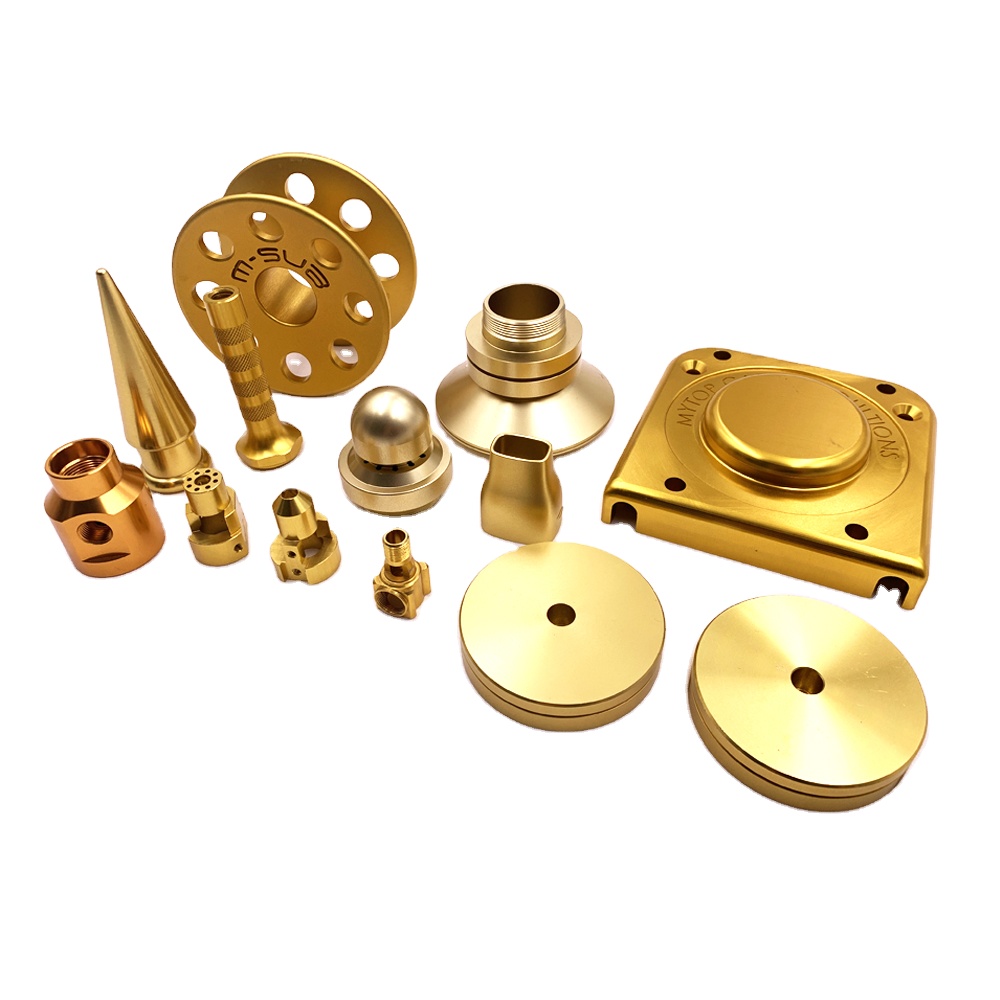
Before we tackle tarnishing, let’s clarify the basics. Sterling silver gold plated (often called “gold vermeil” if the gold layer is thick enough, but more commonly “gold plated” for thinner coats) is a two-layered material:
- Base Metal: The core is sterling silver, which is 92.5% pure silver mixed with 7.5% other metals (usually copper) to make it stronger (pure silver is too soft for everyday jewelry).
- Gold Layer: A thin coating of real gold (typically 14k, 18k, or 24k) is applied over the sterling silver using techniques like electroplating. This layer gives the jewelry its luxurious gold color without the high cost of solid gold.
The key here? The gold layer is a coating—not a permanent bond. Over time, it can wear down, exposing the sterling silver underneath. And that’s where tarnishing comes into play.
1.1 Why the Gold Layer Matters for Tarnishing
Pure gold is non-tarnishing—it doesn’t react with air, water, or most chemicals, which is why solid gold jewelry lasts a lifetime. But the gold layer on plated jewelry is thin (often just 0.5 to 2.5 microns thick). When this layer stays intact, it acts as a barrier, protecting the sterling silver base from elements that cause tarnish. However, once the gold wears off, the sterling silver is exposed—and that’s when tarnishing starts.

The short answer: Yes, but not right away—and it depends on how you care for it.
Let’s break this down:
- When the gold layer is still intact: The jewelry won’t tarnish. The gold acts as a shield, preventing the sterling silver from reacting with air, moisture, or chemicals.
- When the gold layer wears thin or chips: The exposed sterling silver will start to tarnish. Tarnish on sterling silver is a dark, dull film (usually brown, black, or greenish) caused by a chemical reaction between the silver, oxygen, and sulfur compounds in the air or on your skin.
So, the “tarnishing” you see on sterling silver gold plated jewelry isn’t the gold itself—it’s the sterling silver base peeking through, reacting with its environment.
2.1 What Causes the Gold Layer to Wear Off?
The speed at which the gold layer fades depends on several factors:
- Frequency of wear: Jewelry you wear every day (like a wedding band or necklace) will rub against your skin, clothes, and surfaces more, wearing down the gold faster than pieces you only wear on special occasions.
- Skin chemistry: People with oily skin or high pH levels may find the gold layer fades quicker—natural oils and sweat can break down the plating over time.
- Exposure to chemicals: Harsh substances like perfume, hairspray, lotion, sunscreen, chlorine (from pools), and saltwater (from oceans) can erode the gold plating. Even everyday items like hand soap can speed up wear if you don’t remove your jewelry before washing hands.
- Quality of plating: Cheaper pieces often have thinner gold plating (less than 1 micron), which wears off in months. Higher-quality pieces (with 2+ microns of gold) can last years before showing signs of tarnish.

The good news is you can extend the life of your sterling silver gold plated jewelry and minimize tarnish with simple care habits. And if tarnish does appear, there are gentle ways to fix it—without damaging the remaining gold plating.
3.1 Prevention Tips: Keep the Gold Layer Intact
The best way to avoid tarnish is to protect the gold plating so the sterling silver base stays hidden. Here’s how:
- Remove jewelry before daily tasks: Take off your pieces before washing hands, showering, swimming, exercising, or applying beauty products (perfume, lotion, hairspray). Wait until these products are fully absorbed into your skin before putting jewelry back on.
- Store it properly: When you’re not wearing your jewelry, keep it in a cool, dry place. Use airtight containers (like small zip-top bags or jewelry boxes with anti-tarnish strips) to reduce exposure to air and moisture. Avoid storing multiple pieces together—they can scratch each other, chipping the gold plating.
- Clean it gently after wear: Wipe your jewelry with a soft, dry microfiber cloth after each use to remove sweat, oils, or dirt. Don’t use abrasive cloths (like paper towels or rough sponges)—they can scratch the gold.
3.2 How to Fix Tarnish (When It Happens)
If you notice dark spots or dullness (signs the sterling silver is exposed), don’t panic. Follow these steps to clean it gently:
- Avoid harsh cleaners: Never use silver polish, baking soda, vinegar, or ultrasonic cleaners—these will strip away the remaining gold plating and damage the sterling silver.
- Use a mild soap solution: Mix a drop of gentle dish soap with warm (not hot) water. Dip a soft cloth or a soft-bristled toothbrush (for small details) into the solution, then gently wipe the tarnished areas. Be careful not to scrub—this can wear down the gold further.
- Dry immediately: Pat the jewelry dry with a clean microfiber cloth right after cleaning. Moisture left on the surface can speed up tarnish.
- Reapply a protective layer (optional): For pieces with significant gold wear, you can use a jewelry-specific plating spray (like clear acrylic or gold touch-up spray) to seal the exposed silver. Just follow the product instructions carefully—test it on a small, hidden area first to avoid discoloration.

Final Thoughts
Sterling silver gold plated jewelry can tarnish—but it’s not inevitable if you care for it properly. The key is to protect the gold layer, limit exposure to harsh elements, and clean it gently. With the right habits, your favorite gold-plated pieces can stay shiny and beautiful for years, giving you the look of gold without the investment.
Do you have a go-to piece of sterling silver gold plated jewelry? Share your care tips in the comments below!
Where Are the Mormon Golden Plates Now? Unraveling the Mystery
What's the Difference Between Gold Filled and Gold Plated? A Clear Guide
Related Article

Fast sampling is the fastest way to win business in the hardware machining and plastic mold industries. Customers want a working sample in days, and a 3D printer delivers it, but only when you know how to print in 3d correctly.
how to print in 3d

Fast sampling is the fastest way to win business in the hardware machining and plastic mold industries. Customers often send an STL file and expect a working sample in days.
how to print an stl file

