
Does Nylon Melt? Unraveling the Truth About This Versatile Material
Author: SZTC
2025-06-24
Nylon is a widely used synthetic polymer known for its durability, strength, and versatility. From clothing and accessories to industrial components, nylon can be found in countless products. But when it comes to heat, a common question arises: does nylon melt? In this blog post, we'll explore the melting properties of nylon, the factors that influence its melting behavior, and how its melting characteristics impact various applications.
Defining the Melting Threshold
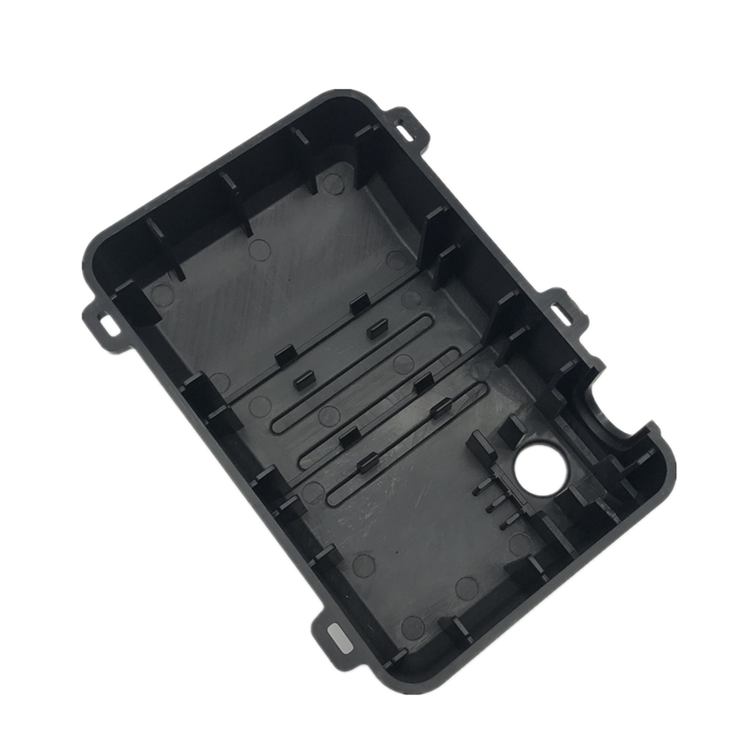
Nylon indeed melts, but it has a specific melting point that varies depending on the type of nylon. For instance, nylon 6 has a melting point around 220 - 225°C (428 - 437°F), while nylon 6,6 typically melts at a higher temperature, ranging from 255 - 265°C (491 - 509°F). This means that when exposed to heat within these temperature ranges, nylon transitions from a solid to a liquid state. At the molecular level, the heat energy disrupts the intermolecular forces holding the nylon polymer chains together, allowing them to move freely and causing the material to melt.
Comparison with Other Materials
When compared to some other common materials, nylon has a relatively high melting point. For example, polyethylene melts at a lower temperature, usually between 110 - 130°C (230 - 266°F). This higher melting point gives nylon an edge in applications where resistance to heat is crucial, such as in automotive parts that may be exposed to engine heat or in electrical insulators where high - temperature stability is required. However, compared to some high - performance engineering plastics like PEEK (Polyetheretherketone), which has a melting point of around 343°C (649°F), nylon's melting point is lower.
Additives and Fillers
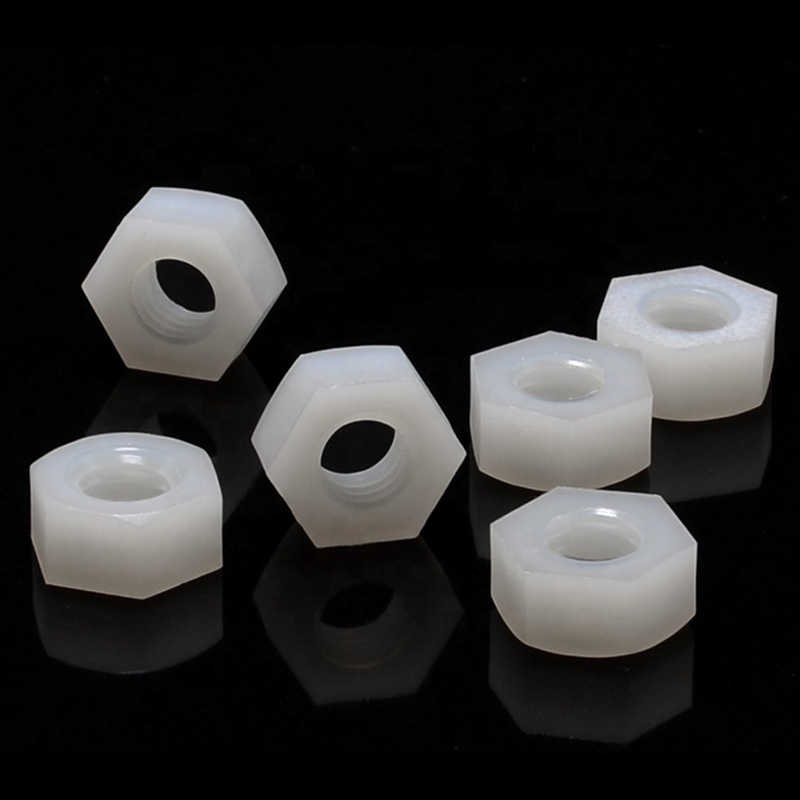
The presence of additives and fillers in nylon can significantly affect its melting behavior. Reinforcing fillers like glass fibers or carbon fibers can increase the melting temperature of nylon composites. These fillers disrupt the regular arrangement of nylon polymer chains, making it more difficult for them to move and melt, thus raising the melting point. On the other hand, plasticizers can lower the melting point of nylon. Plasticizers work by reducing the intermolecular forces between the polymer chains, making the material more flexible and lowering the temperature at which it melts.
Environmental Conditions
Environmental factors also play a role in nylon's melting. Humidity can impact the moisture content of nylon, and moisture - laden nylon may exhibit different melting characteristics. Additionally, the rate at which heat is applied can influence melting. A rapid increase in temperature may cause uneven melting or thermal stress within the nylon material, while a slow and controlled heating process can lead to more uniform melting.
3D Printing and Manufacturing
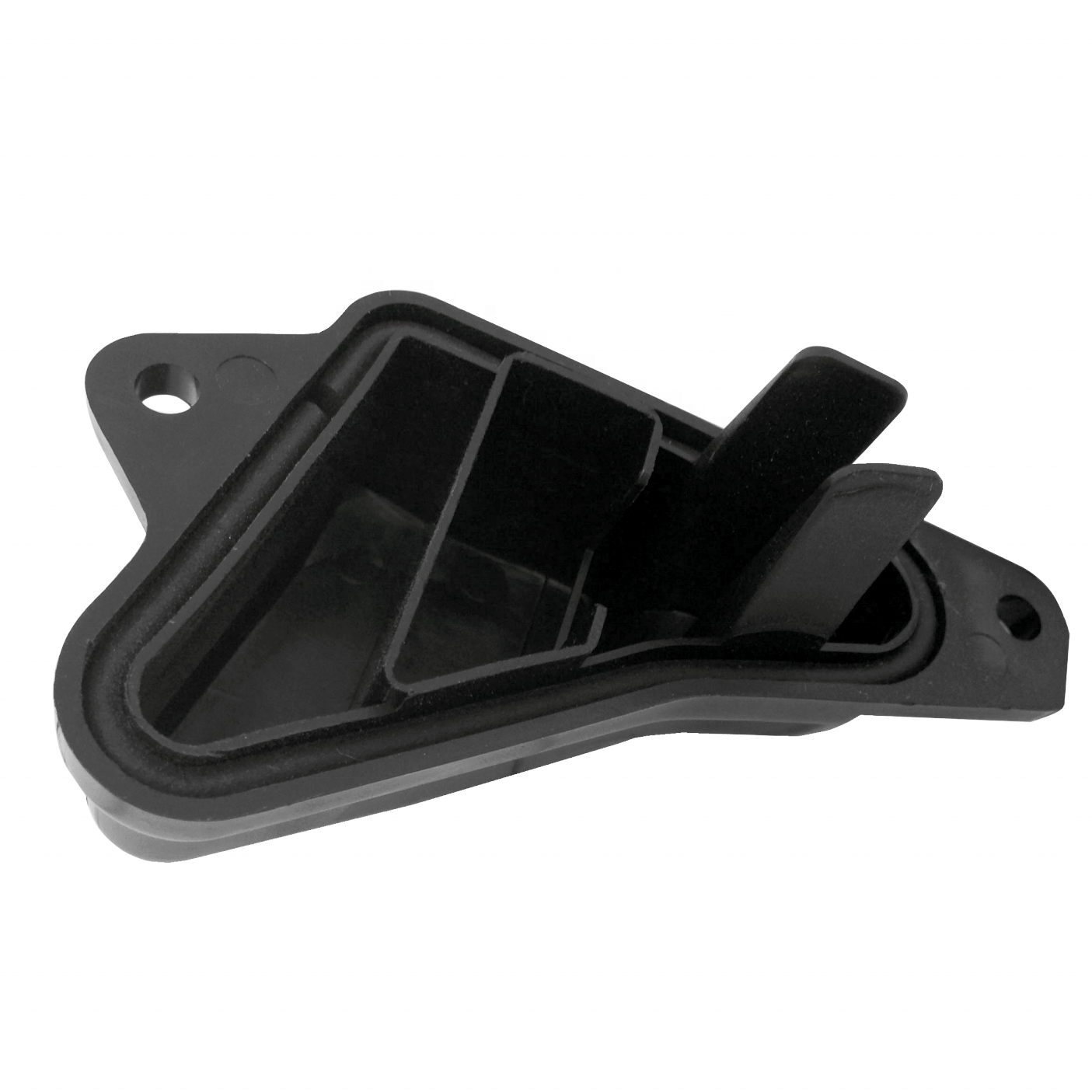
In 3D printing, the ability of nylon to melt is a key advantage. Fused Deposition Modeling (FDM) 3D printers can use nylon filaments. When the printer's extruder heats the nylon filament above its melting point, it can be precisely deposited layer by layer to create complex 3D objects. The melted nylon adheres to the previous layer, solidifying as it cools to form a strong and durable structure. In traditional manufacturing, nylon's melting property allows for processes like injection molding, where molten nylon is injected into a mold cavity to produce various parts with high precision.
Heat Resistance in End - Use Products
Understanding nylon's melting point is crucial for ensuring the performance of end - use products. In applications where nylon components may be exposed to high temperatures, such as in aircraft interiors or high - performance sports equipment, engineers need to ensure that the operating temperature remains below the melting point of the nylon used. If the temperature exceeds the melting point, the nylon component can deform, lose its structural integrity, and potentially cause product failure.
Conclusion
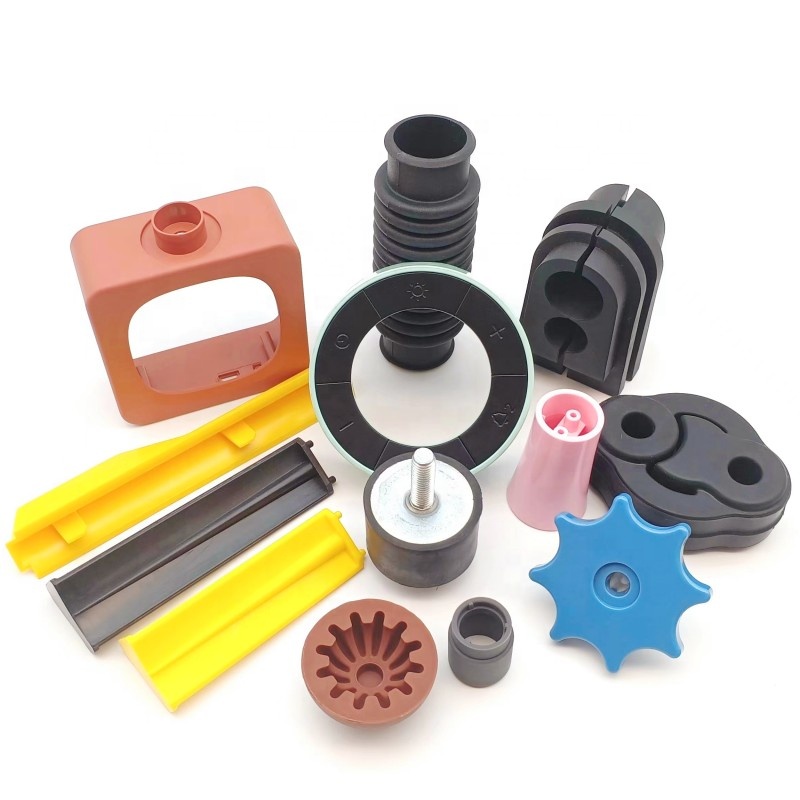
In conclusion, nylon does melt, and its melting properties are well - defined by specific melting points that vary depending on the type and composition of the nylon. Factors like additives, fillers, and environmental conditions can influence how nylon melts. This melting behavior has significant implications for various applications, from 3D printing and manufacturing to ensuring the heat resistance of end - use products. By understanding these aspects, manufacturers and consumers can make the most of nylon's capabilities while avoiding potential issues related to heat exposure.
Does Recycled Nylon Shrink?Unveiling the Truth
Can P1S Print Nylon? A Comprehensive Guide
Related Article

Fast sampling is the fastest way to win business in the hardware machining and plastic mold industries. Customers want a working sample in days, and a 3D printer delivers it, but only when you know how to print in 3d correctly.
how to print in 3d

Fast sampling is the fastest way to win business in the hardware machining and plastic mold industries. Customers often send an STL file and expect a working sample in days.
how to print an stl file

