
Do Gold Plated Necklaces Tarnish? The Truth & How to Prevent It
Author: SZTC
2025-10-13
Gold plated necklaces are a popular choice for jewelry lovers—they offer the luxurious look of real gold at a more affordable price. But one question that always comes up is: do gold plated necklaces tarnish? If you’ve ever noticed your favorite gold plated piece losing its shine or developing a dull, discolored layer over time, you’re not alone. In this blog, we’ll break down the science behind gold plated necklace tarnishing, what causes it, and how to keep your jewelry looking fresh for longer.

1. The Basics: What Is a Gold Plated Necklace?
Before we answer “do gold plated necklaces tarnish,” let’s first clarify what a gold plated necklace actually is. Unlike solid gold (where the entire piece is made of gold) or gold filled (where a thick layer of gold is bonded to a base metal), gold plated jewelry uses a thin layer of gold (usually 0.5 microns or thicker, per industry standards) electroplated onto a base metal. Common base metals include brass, copper, nickel, or silver.
This thin gold layer is what gives the necklace its golden appearance. But here’s the key: the base metal is still present underneath. And when that thin gold layer wears down or gets damaged, the base metal is exposed—which is where tarnishing often begins.
1.1 Why Gold Plating Isn’t “Tarnish-Proof”
Pure gold (24k) is inert, meaning it doesn’t react with air, water, or most chemicals—so it never tarnishes. But gold plated necklaces don’t use pure gold for plating (most use 14k or 18k gold, which has other metals mixed in for durability). Even more importantly, the thinness of the gold layer is the main issue. Over time, everyday wear can scratch or wear away this layer, revealing the base metal below. And that base metal? It’s prone to tarnishing.
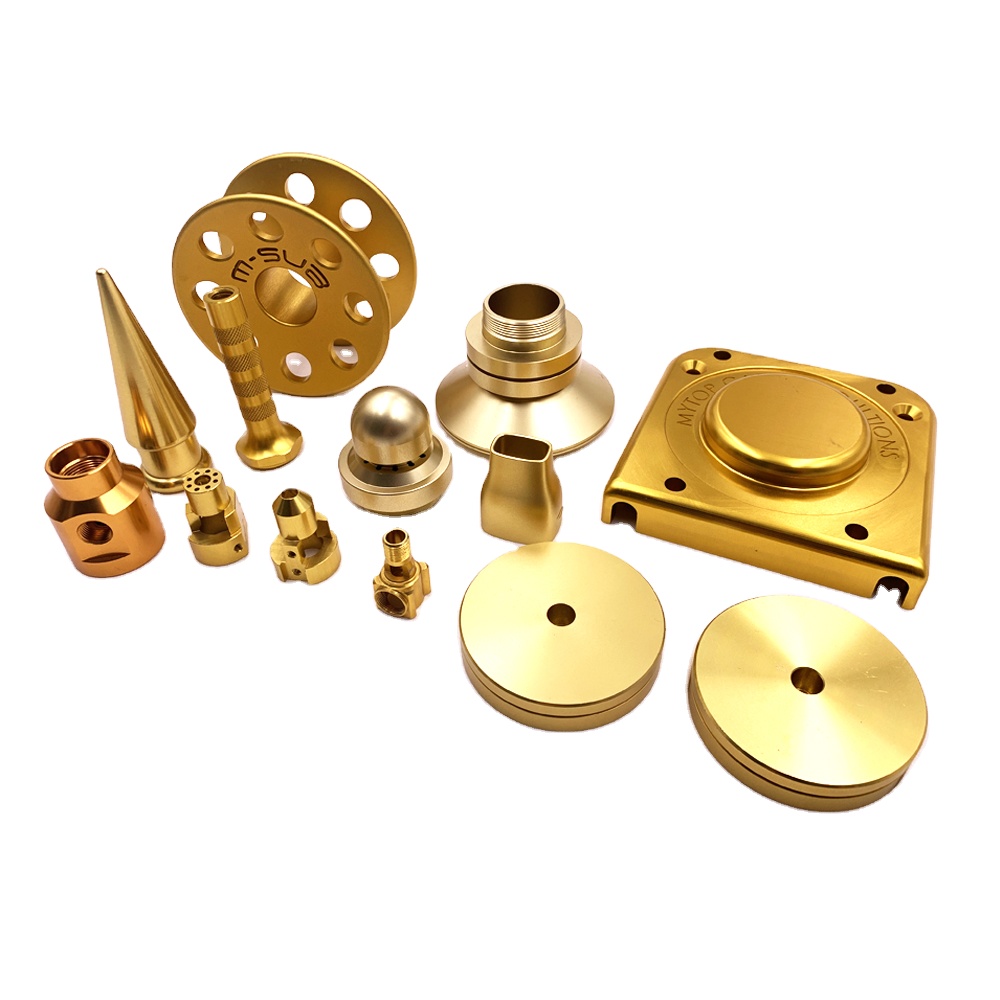
2. Why Do Gold Plated Necklaces Tarnish? Common Causes
Now that we’ve established “yes, gold plated necklaces can tarnish,” let’s dive into the specific reasons why. Tarnishing here refers to the discoloration (often green, black, or dull gray) that appears on the surface of the necklace. This happens when the exposed base metal reacts with substances in the environment or on your body. Here are the most common triggers:
2.1 Exposure to Moisture and Humidity
Moisture is one of the biggest enemies of gold plated jewelry. When your necklace gets wet—from sweat, rain, swimming, or even washing your hands—it can seep into tiny cracks in the gold layer. Once it reaches the base metal (like copper or brass), a chemical reaction occurs: the metal oxidizes, leading to tarnish. For example, copper reacts with oxygen and moisture to form copper oxide, which is that greenish substance you might see on old jewelry.
2.2 Contact with Chemicals
Everyday products you use can speed up tarnishing without you realizing it. Hairspray, perfume, lotion, sunscreen, and even makeup contain chemicals (like sulfates, alcohol, or oils) that can break down the thin gold plating. Over time, these chemicals wear away the gold layer, exposing the base metal to further damage. Cleaning products (like bleach or ammonia) are even more harmful—they can corrode the plating almost instantly.
2.3 Friction and Wear
Gold plating is thin, so regular friction can scratch or rub it off. If you wear your necklace every day, it might rub against your clothes, bag, or other jewelry, gradually wearing down the gold layer. Activities like working out (where you sweat and move a lot) or sleeping with your necklace on can also increase friction, making tarnishing more likely.
2.4 pH Levels in Your Skin
Believe it or not, your body’s natural pH can affect your gold plated necklace. Some people have more acidic skin (due to genetics, diet, or stress), and acidic sweat can react with the base metal faster. This is why two people might wear the same gold plated necklace, but one person’s piece tarnishes much sooner—their skin’s pH is more reactive with the base metal.

3. How to Prevent Gold Plated Necklaces from Tarnishing
The good news is that while gold plated necklaces can tarnish, you can slow down the process with simple care habits. With the right maintenance, your favorite piece can stay shiny for months (or even years) longer. Here’s what to do:
3.1 Keep It Dry
The first rule of thumb: remove your gold plated necklace before getting wet. Take it off before showering, swimming, working out, or washing dishes. If it does get wet accidentally, pat it dry immediately with a soft, lint-free cloth (like a microfiber cloth) to remove moisture. Avoid air-drying it, as this can let moisture sit on the surface longer.
3.2 Avoid Chemicals
Apply all your beauty products before putting on your necklace. Let your lotion, perfume, hairspray, and sunscreen fully absorb into your skin (wait 5-10 minutes) before putting on your jewelry. This way, the chemicals won’t come into direct contact with the gold plating. Also, remove your necklace before cleaning or using any harsh chemicals.
3.3 Store It Properly
When you’re not wearing your gold plated necklace, store it in a cool, dry place to protect it from humidity. A jewelry box with a soft lining (or a small zip-top bag with a silica gel packet to absorb moisture) works best. Avoid storing it with other jewelry, as hard metals (like silver or stainless steel) can scratch the gold plating. If you have to store multiple pieces together, wrap each necklace in a soft cloth first.
3.4 Clean It Gently (and Regularly)
Dirt and oils can build up on your necklace over time, making it look dull and accelerating tarnishing. Clean it gently once a week with a soft cloth (avoid paper towels or rough fabrics—they can scratch the plating). If it needs a deeper clean, mix a tiny amount of mild dish soap with warm water, dip a soft brush (like a toothbrush with soft bristles) into the solution, and gently scrub the necklace. Rinse it quickly with cool water, then pat it dry immediately. Never use jewelry cleaners made for solid gold or silver—they’re too harsh for gold plating.
3.5 Limit Everyday Wear
While it’s tempting to wear your favorite necklace every day, giving it a break can help it last longer. Rotate your jewelry collection—wear your gold plated necklace a few times a week instead of daily. This reduces friction, sweat exposure, and the chance of accidental damage.
Final Thoughts: Do Gold Plated Necklaces Tarnish?
The short answer is yes, gold plated necklaces can tarnish—but it’s not inevitable. The key is understanding that tarnishing happens when the thin gold layer wears down, exposing the reactive base metal underneath. By avoiding moisture, chemicals, and excessive wear, you can keep your gold plated jewelry looking shiny and new for longer.
Gold plated necklaces are a great way to enjoy the look of gold without the high cost—with a little care, they can be a staple in your jewelry collection for years to come!
Does Gold Plated Jewelry Fade? Everything You Need to Know
Can I Shower with Gold Plated Jewelry? The Ultimate Guide to Protecting Your Pieces
Related Article

Fast sampling is the fastest way to win business in the hardware machining and plastic mold industries. Customers want a working sample in days, and a 3D printer delivers it, but only when you know how to print in 3d correctly.
how to print in 3d

Fast sampling is the fastest way to win business in the hardware machining and plastic mold industries. Customers often send an STL file and expect a working sample in days.
how to print an stl file

