
Do Gold Plated Jewelry Fade? Facts, Causes and Preservation Tips
Author: SZTC
2026-01-24
Gold plated jewelry is a popular choice for those who love the luxe look of gold without the hefty price tag. But a common concern lingers among buyers: Do gold plated jewelry fade? The short answer is yes, but the process isn’t immediate, and it depends on multiple factors. In this blog, we’ll unpack why gold plated pieces lose their shine over time, what accelerates fading, and how to keep your favorite pieces looking new for longer.
1. The Basics: Why Do Gold Plated Jewelry Fade?
1.1 What Is Gold Plating?
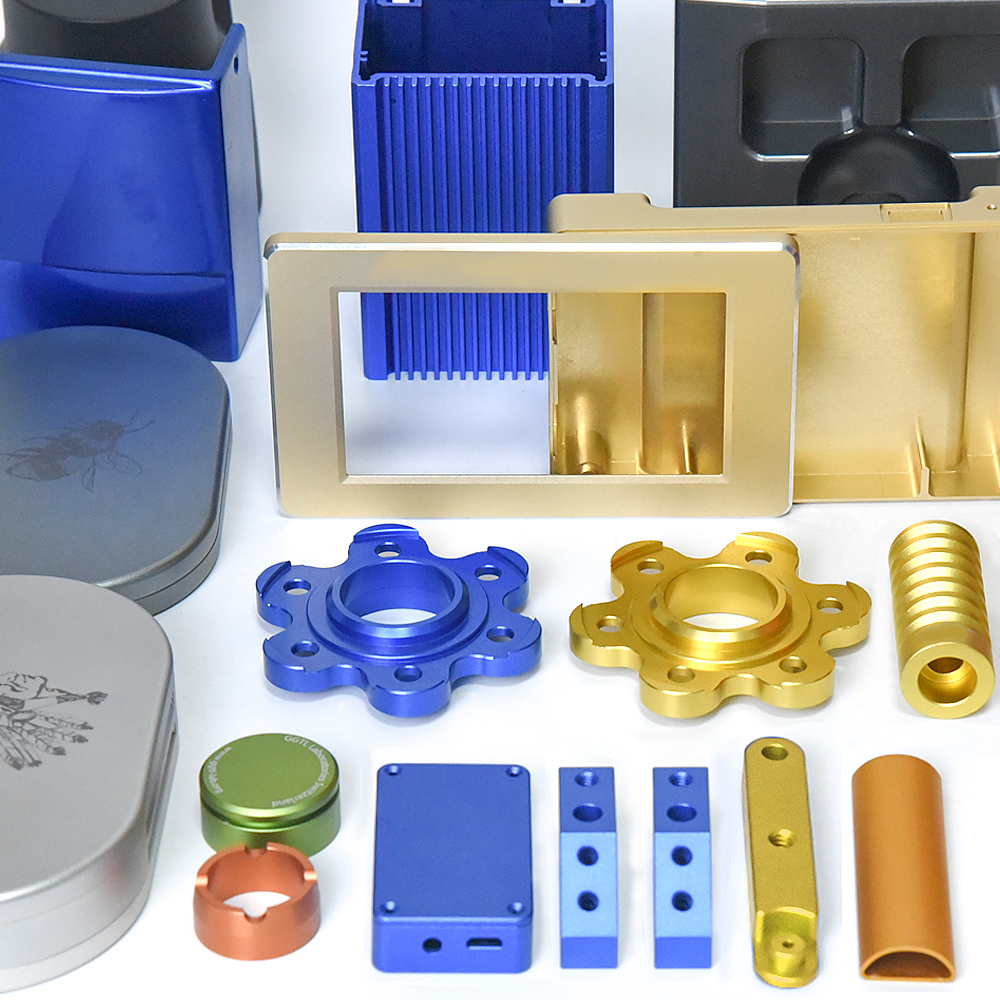
Gold plated jewelry is crafted by depositing a thin layer of real gold onto a base metal (such as copper, brass, or silver) using electroplating technology. Unlike solid gold, the gold layer here is extremely thin—usually between 0.175 microns to 2.5 microns thick. This thin coating is what makes gold plated jewelry affordable, but it’s also the reason it’s prone to fading or tarnishing over time.
1.2 The Science Behind Fading
Fading in gold plated jewelry isn’t just about the gold layer disappearing—it’s often a combination of wear, oxidation, and chemical reactions. Over time, the thin gold layer wears off due to friction, exposing the base metal underneath. The base metal then reacts with oxygen, moisture, and other substances, causing discoloration (often a dull brass or greenish hue) that makes the piece look “faded.” Additionally, the gold layer itself can tarnish when exposed to harsh elements, further dulling its shine.

2. Key Factors That Accelerate Fading
2.1 Wear Frequency and Lifestyle
How often you wear your gold plated jewelry directly impacts its lifespan. Daily wear exposes the piece to constant friction from clothing, skin, and everyday activities, which wears down the gold layer faster. Lifestyle habits matter too—swimming (in chlorinated water), working out (sweat), or gardening (abrasive materials) can speed up fading by damaging the gold coating and triggering reactions with the base metal.
2.2 Exposure to Chemicals
Chemicals are one of the biggest enemies of gold plated jewelry. Common household and personal care products, such as perfume, lotion, hairspray, sunscreen, and even harsh soaps, contain ingredients that break down the gold layer and corrode the base metal. Applying these products while wearing your jewelry or failing to clean it afterward can cause premature fading, discoloration, and even peeling of the gold layer.
2.3 Gold Layer Thickness and Quality
Not all gold plated jewelry is created equal. Pieces with a thicker gold layer (e.g., 2.5 microns vs. 0.175 microns) will resist fading longer. Terms like “vermeil” (a thicker gold layer on sterling silver) indicate higher quality and better durability. Conversely, cheaply made gold plated jewelry with a thin, uneven coating will fade much faster, sometimes within a few weeks of regular wear.
3. How to Prevent or Slow Down Fading
3.1 Proper Wear and Removal Habits
The golden rule for gold plated jewelry is to “put it on last, take it off first.” Apply perfume, lotion, and other beauty products before putting on your jewelry to avoid direct chemical contact. Remove your pieces before swimming, showering, working out, or doing household chores. When not wearing them, store each piece separately in a soft pouch or airtight container to prevent scratches and exposure to moisture and oxygen.
3.2 Gentle Cleaning Methods
Regular, gentle cleaning can extend the life of your gold plated jewelry. Use a soft, lint-free cloth (like a microfiber cloth) to wipe away dirt, oil, and sweat after each wear. For deeper cleaning, mix a small amount of mild dish soap with warm water, dip a soft brush (like a toothbrush) into the solution, and gently scrub the piece. Rinse with clean water and pat dry immediately—never soak gold plated jewelry, as prolonged exposure to water can damage the coating.
3.3 Professional Maintenance Options
If your gold plated jewelry has already started to fade, you can restore its shine with professional re-plating. Most jewelers offer electroplating services that reapply a thin layer of gold, making the piece look brand new. Keep in mind that re-plating is a temporary solution—you’ll need to repeat the process every 6 months to 2 years, depending on how often you wear the jewelry and how well you maintain it.
Final Thoughts
So, do gold plated jewelry fade? Yes, but with proper care, you can significantly slow down the process and enjoy your pieces for years. The key is to understand that gold plated jewelry requires more delicate handling than solid gold, as its beauty relies on a thin, vulnerable layer of gold. By avoiding chemicals, minimizing friction, and storing and cleaning your jewelry correctly, you can keep that golden shine alive. Whether you’re rocking a gold plated necklace, bracelet, or earrings, a little maintenance goes a long way in preserving their elegance.
Can Platinum and Gold Play Together in Marvel Rivals? A Complete Guide
Can Gold 3 Play With Plat 3? Here’s What You Need to Know
Related Article

Fast sampling is the fastest way to win business in the hardware machining and plastic mold industries. Customers want a working sample in days, and a 3D printer delivers it, but only when you know how to print in 3d correctly.
how to print in 3d

Fast sampling is the fastest way to win business in the hardware machining and plastic mold industries. Customers often send an STL file and expect a working sample in days.
how to print an stl file

