
Do Gold Plated Connectors Work Better? Exploring Their Performance
Author: SZTC
2025-08-14
In the world of electronics, connectors play a crucial role in ensuring smooth and reliable transmission of signals or power. Among the various types of connectors available, gold plated ones have gained significant attention. A common question that arises is: do gold plated connectors work better than their non - plated counterparts? Let's take a closer look at the features, performance, and practical applications of gold plated connectors to find out.
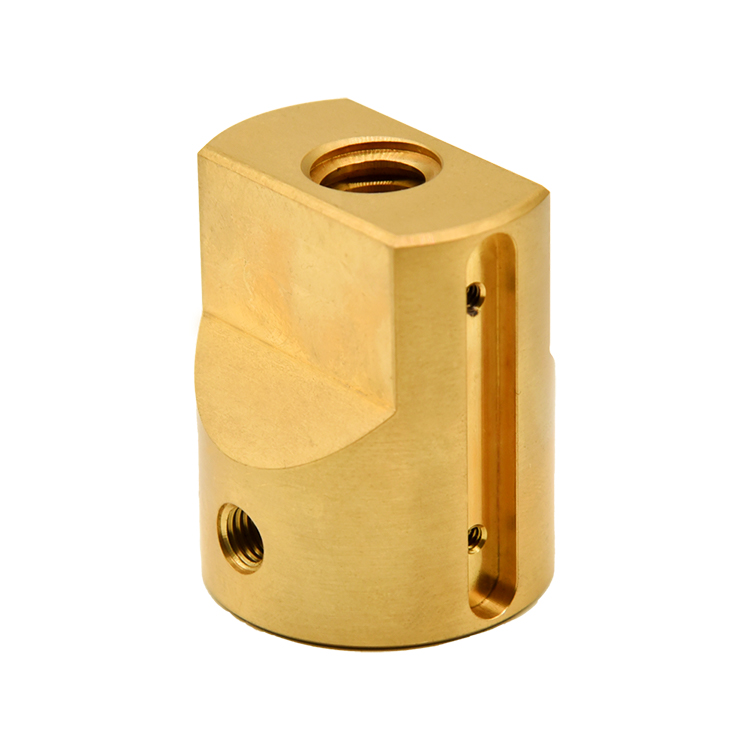
Gold plated connectors, as the name suggests, have a thin layer of gold applied to their surface. This plating is typically done on base metals like copper or brass, which are good conductors of electricity. Gold is chosen for plating due to its unique properties. It is highly resistant to corrosion, tarnish, and oxidation, even in harsh environments with high humidity or exposure to various chemicals.
Another key property of gold is its excellent electrical conductivity. While copper is a better conductor in pure form, gold's ability to maintain its conductivity over time without degradation gives it an edge. The thin gold layer acts as a protective barrier, preventing the base metal from reacting with the environment and ensuring a stable connection.
To answer the question do gold plated connectors work better, we need to compare their performance with other types of connectors, such as those made of bare copper, tin - plated, or nickel - plated connectors.
Conductivity and Signal Integrity
In terms of initial conductivity, bare copper connectors are excellent. However, copper is prone to oxidation, forming a layer of copper oxide on the surface over time. This oxide layer is a poor conductor, which can lead to increased resistance and signal loss. Tin - plated connectors offer some protection against oxidation, but tin can tarnish and form a dull layer, which may also affect conductivity after prolonged use.
Gold plated connectors, on the other hand, retain their conductivity well. The gold layer resists oxidation and tarnish, ensuring a low - resistance path for signals or power. This makes them particularly suitable for high - frequency applications, such as in audio equipment, telecommunications, and computer hardware, where signal integrity is of utmost importance. Even after repeated insertions and removals, the gold plating helps maintain a consistent connection, reducing the risk of signal degradation.
Durability and Longevity
Durability is another aspect where gold plated connectors shine. The gold layer is hard and wear - resistant, which means it can withstand the friction and stress of repeated mating cycles. This is especially important in connectors that are frequently plugged and unplugged, like USB cables, headphone jacks, and electrical plugs.
Non - plated or tin - plated connectors may show signs of wear sooner. The base metal can become exposed, leading to corrosion and a shorter lifespan. Gold plated connectors, with their protective layer, have a longer service life, making them a more reliable choice in applications where longevity is a key factor.
Environmental Resistance
In environments with high moisture, salt, or industrial pollutants, corrosion is a major threat to connector performance. Gold's resistance to corrosion makes gold plated connectors far more reliable in such conditions. For example, in marine electronics, outdoor lighting systems, or industrial machinery, gold plated connectors are less likely to fail due to corrosion compared to other types.
Tin - plated connectors, while more resistant to corrosion than bare copper, can still be affected in extreme environments. Nickel plating offers some corrosion resistance but is not as effective as gold, and it may also have a higher contact resistance.
While gold plated connectors offer several advantages, they are not always the best choice for every situation. Their higher cost compared to non - plated or tin - plated connectors is a factor to consider. In low - cost, low - performance applications where the environment is controlled and connectors are not used frequently, the added benefits of gold plating may not be worth the extra expense.
However, in applications where reliability, signal integrity, and durability are critical, gold plated connectors are often the preferred option. These include professional audio and video equipment, medical devices, aerospace and defense systems, and high - speed data transmission networks. In these fields, the superior performance of gold plated connectors justifies their cost.
Conclusion
So, do gold plated connectors work better? The answer depends on the specific application and requirements. In terms of conductivity maintenance, durability, and resistance to corrosion and tarnish, gold plated connectors generally outperform non - plated, tin - plated, or nickel - plated alternatives. They are particularly valuable in high - performance, harsh environment, or frequent - use scenarios where reliable connections are essential.
While they come with a higher price tag, their long - term performance and reliability make them a worthwhile investment in many professional and critical applications. For everyday, low - demand uses, other types of connectors may be sufficient, but when it comes to optimal performance, gold plated connectors often stand out.
How Long Does 18k Gold Plated Last? Unveiling the Lifespan Factors
The Extraordinary Tale: Where Did Joseph Smith Find the Gold Plates?
Related Article

Fast sampling is the fastest way to win business in the hardware machining and plastic mold industries. Customers want a working sample in days, and a 3D printer delivers it, but only when you know how to print in 3d correctly.
how to print in 3d

Fast sampling is the fastest way to win business in the hardware machining and plastic mold industries. Customers often send an STL file and expect a working sample in days.
how to print an stl file

