
Can You Gold Plate Stainless Steel? A Complete Guide
Author: SZTC
2025-11-10
Stainless steel is beloved for its durability, corrosion resistance, and sleek appearance—making it a staple in jewelry, kitchenware, automotive parts, and industrial equipment. But what if you want to elevate its look with the warmth and luxury of gold? The question on many minds is: Can you gold plate stainless steel? The short answer is yes—but it’s not a one-step process. In this guide, we’ll break down why stainless steel can be gold-plated, the key steps involved, the benefits of doing so, and what to keep in mind for long-lasting results.

1. The Feasibility: Why Stainless Steel Works for Gold Plating
First, let’s address the core question: Can you gold plate stainless steel? Unlike some metals that bond easily with gold, stainless steel has a passive oxide layer on its surface. This layer forms naturally to protect the steel from rust and corrosion, but it also creates a barrier that prevents direct adhesion of gold. However, with the right preparation and techniques, this barrier can be overcome—making gold plating on stainless steel not just possible, but reliable.
Stainless steel’s structural stability is another advantage. It doesn’t warp or degrade easily, which means the gold layer will stay intact even with regular use. Whether you’re refinishing a stainless steel watch band, upgrading kitchen faucets, or customizing jewelry, gold plating can transform the material’s aesthetic without compromising its strength.
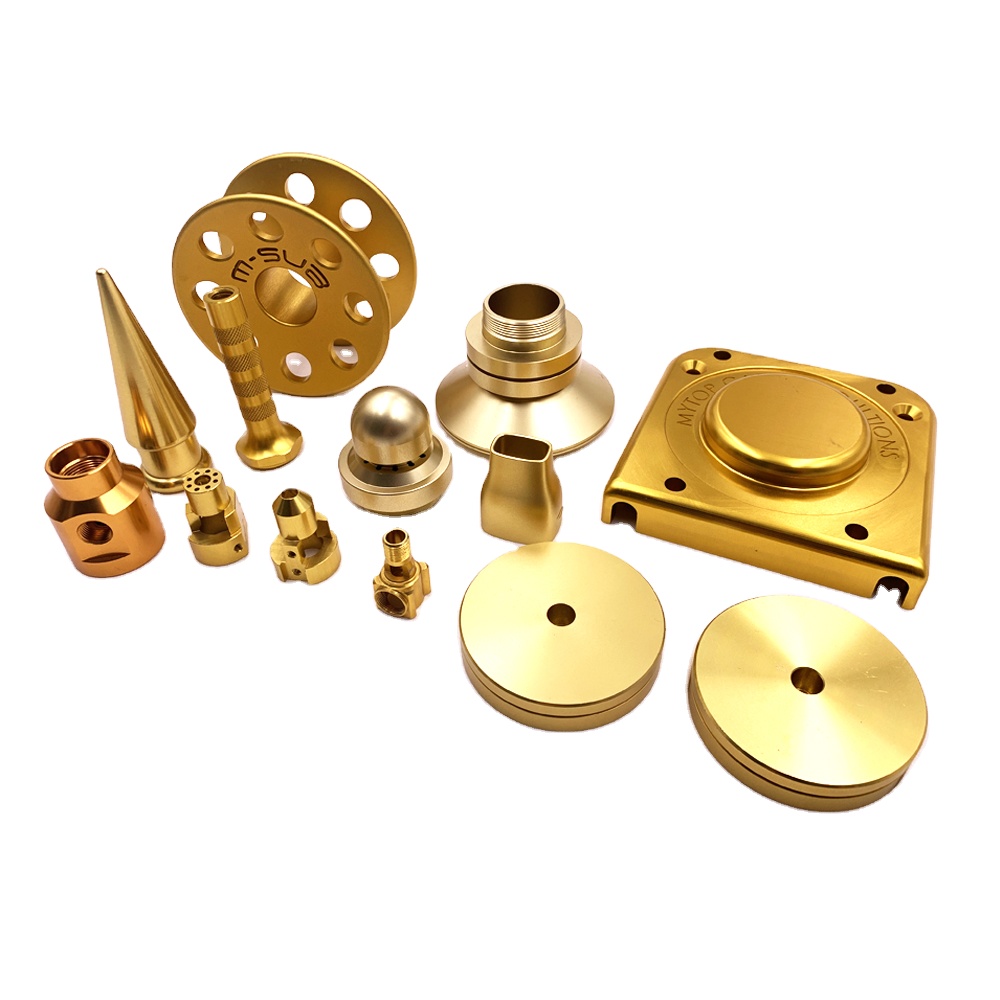
2. The Process: How to Gold Plate Stainless Steel
Gold plating stainless steel requires precision and attention to detail. Skipping any step can lead to peeling, flaking, or poor adhesion. Below is a step-by-step breakdown of the professional process:
2.1 Surface Preparation: The Foundation of Success
The passive oxide layer on stainless steel is the biggest obstacle, so preparation starts with removing it. First, the item is thoroughly cleaned with a degreaser to eliminate dirt, oil, and fingerprints—any contaminants will ruin the plating bond. Next, it undergoes abrasive cleaning (like sandblasting or polishing) to rough up the surface slightly, creating tiny grooves for the gold to grip. Finally, a chemical etch (using solutions like hydrochloric acid) dissolves the oxide layer completely, exposing the raw stainless steel underneath.
2.2 Strike Plating: A Bonding Layer
Directly applying gold to stainless steel still doesn’t work well, so a “strike” layer is used as an intermediary. Common strike metals include nickel, copper, or palladium. Nickel is popular because it adheres strongly to stainless steel and provides a smooth base for gold. The item is dipped in a strike plating bath for a short time (usually 1-2 minutes) to create a thin, even layer that acts as a bridge between the steel and gold.
2.3 Gold Plating: Applying the Final Layer
Once the strike layer is set, the item moves to the gold plating bath. The bath contains dissolved gold (often in the form of potassium gold cyanide) and other chemicals that control the plating’s thickness and brightness. An electric current is passed through the bath (this is called electroplating), which causes the gold ions to adhere to the strike layer. The duration of this step depends on the desired thickness—for decorative items, a thin layer (0.5-2 microns) is enough, while high-wear pieces may need a thicker coat (5+ microns).
2.4 Post-Plating Finishing
After gold plating, the item is rinsed to remove excess chemicals and dried. It may then be polished to enhance shine or coated with a clear protective layer (like lacquer) to prevent tarnishing and wear. This final step is especially important for items that come into contact with skin, water, or chemicals (e.g., jewelry, faucets).

3. Benefits and Considerations of Gold-Plated Stainless Steel
Gold-plated stainless steel offers the best of both worlds: the luxury of gold and the durability of stainless steel. But it’s important to weigh the pros and cons before investing.
3.1 Key Benefits
-
Aesthetic Appeal: Gold adds warmth and elegance to stainless steel’s cool tone, making it perfect for jewelry, home decor, and luxury goods.
-
Cost-Effective: Gold-plating is far cheaper than solid gold, while still delivering a similar look.
-
Durability: The stainless steel base resists scratches and corrosion, and the protective layers (strike and clear coat) extend the gold’s lifespan.
-
Versatility: It works for small items (rings, earrings) and large ones (faucets, automotive trim), making it a flexible option for many applications.
3.2 Important Considerations
-
Wear and Tear: The gold layer will eventually wear off with heavy use. Items like rings or bracelets (which rub against skin and surfaces) may need re-plating every 1-3 years, while decorative items (like wall art) can last a decade or more.
-
Care Requirements: To prolong life, avoid exposing gold-plated stainless steel to harsh chemicals (perfume, cleaning products), remove it before swimming or showering, and clean it with a soft cloth and mild soap.
-
Professional vs. DIY: DIY gold-plating kits exist, but they often produce inconsistent results (peeling, uneven plating) on stainless steel. For reliable, long-lasting results, professional plating is worth the investment.

Final Thoughts: Yes, You Can Gold Plate Stainless Steel—With the Right Approach
So, to circle back to our original question: Can you gold plate stainless steel? Absolutely. While it requires more preparation than plating other metals (thanks to that oxide layer), the process is well-established and delivers beautiful, durable results. Whether you’re looking to upgrade everyday items or create custom pieces, gold-plated stainless steel is a practical, stylish choice—just be sure to choose a reputable plating service and follow proper care guidelines to keep your gold shine bright for years to come.
Can You Replate Gold Plated Jewelry? Everything You Need to Know
Can You Get Gold Plated Jewelry Wet? Essential Care Tips to Protect Its Glow
Related Article

Fast sampling is the fastest way to win business in the hardware machining and plastic mold industries. Customers want a working sample in days, and a 3D printer delivers it, but only when you know how to print in 3d correctly.
how to print in 3d

Fast sampling is the fastest way to win business in the hardware machining and plastic mold industries. Customers often send an STL file and expect a working sample in days.
how to print an stl file

