
Can You Gold Plate Aluminum? Everything You Need to Know
Author: SZTC
2025-12-26
Gold plating is a popular finishing technique used to enhance the appearance, conductivity, and corrosion resistance of various metals. But when it comes to lighter metals like aluminum, many people wonder: Can you gold plate aluminum? The short answer is yes—but it’s not as straightforward as gold plating other metals like copper or steel. Aluminum’s unique properties present specific challenges that require specialized preparation and processes. In this blog, we’ll break down everything you need to know about gold plating aluminum, from feasibility to step-by-step essentials and practical applications.
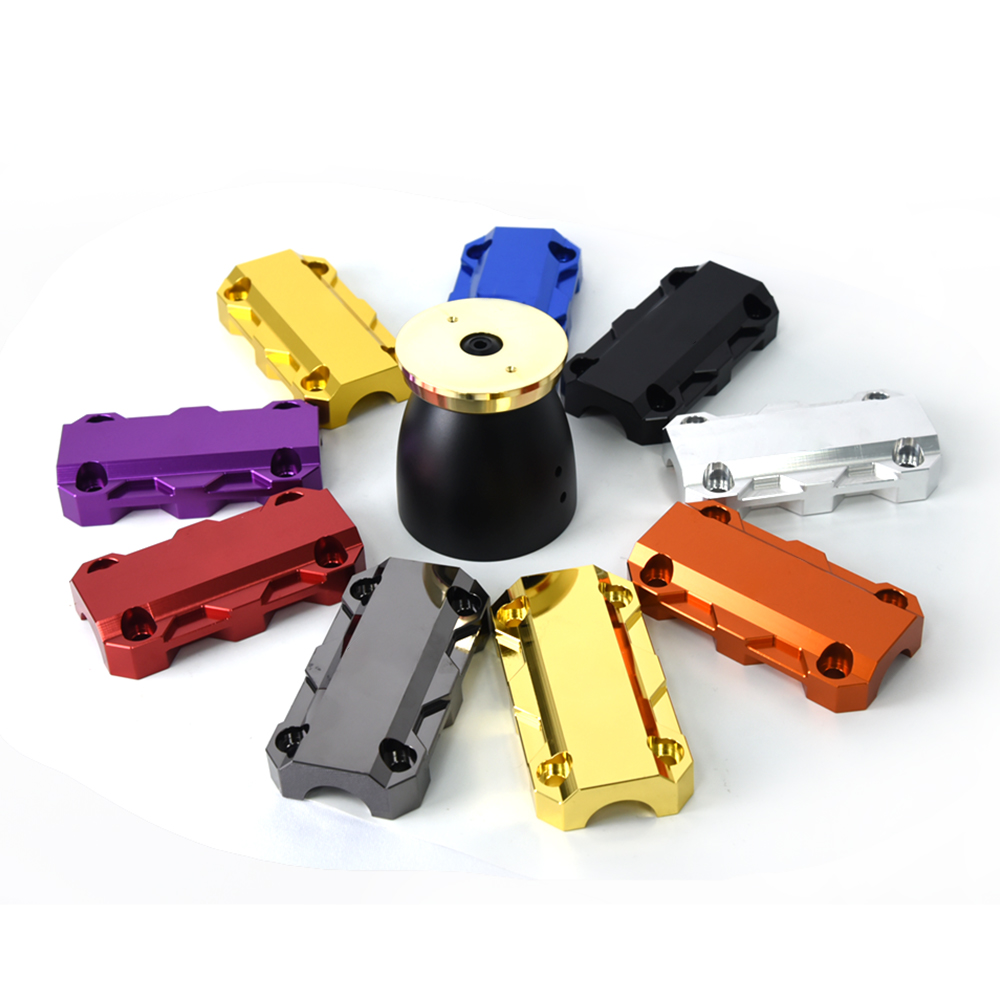
1. The Feasibility: Why Gold Plating Aluminum Is Possible (But Tricky)
First, let’s confirm the core question: Can you gold plate aluminum? Absolutely. However, aluminum’s chemical makeup makes it more difficult than plating non-reactive or less reactive metals. Here’s why the process demands extra care:
1.1 Aluminum’s Natural Oxide Layer
Aluminum immediately forms a thin, stable oxide layer when exposed to air. This layer acts as a barrier, preventing direct adhesion between the aluminum substrate and the gold plating. Unlike iron oxide (rust), which is porous and flaky, aluminum oxide is dense and chemically inert—making it nearly impossible for gold to bond to it without first removing or modifying the layer.
1.2 Poor Adhesion Without Proper Preparation
Gold is a relatively soft, non-reactive metal, and it has no natural affinity for aluminum. Without specialized pre-treatment, the gold plating will peel, chip, or flake off easily, even with minimal wear and tear. This means the success of gold plating aluminum hinges entirely on the pre-plating steps, not just the plating process itself.

2. The Process: How to Gold Plate Aluminum Step-by-Step
To answer “Can you gold plate aluminum?” thoroughly, we need to outline the critical steps involved. The process can be divided into three main phases: pre-treatment (the most important part), intermediate plating (to boost adhesion), and final gold plating. Let’s break down each phase in detail.
2.1 Pre-Treatment: Removing the Oxide Layer & Preparing the Surface
Pre-treatment is make-or-break for gold plating aluminum. The goal is to remove the oxide layer and create a surface that can bond with subsequent plating layers. Common pre-treatment methods include:
-
Chemical Etching: Using a mixture of acids (e.g., phosphoric acid, chromic acid) to dissolve the oxide layer. This creates a micro-rough surface, which improves mechanical adhesion for the next steps.
-
Alkaline Cleaning: First, a mild alkaline solution removes grease, dirt, and contaminants from the aluminum surface. This ensures the etching process works evenly and effectively.
-
Desmutting: After etching, a desmutting solution (often nitric acid-based) removes any residual “smut” or impurities left on the surface, leaving a clean, uniform base.
2.2 Intermediate Plating: Adding a Bonding Layer
Even after pre-treatment, gold still won’t adhere well directly to aluminum. Instead, a thin intermediate layer (called a “strike” layer) is applied to act as a bridge. The most common intermediate metals for aluminum are:
-
Zincate Plating: This is the most widely used method. A zincate solution deposits a thin layer of zinc on the aluminum, which bonds strongly to both the aluminum substrate and the subsequent gold plating. Sometimes a double zincate process is used for better adhesion—first depositing a thin zinc layer, stripping it, and depositing a second, thicker layer.
-
Nickel Plating: In some cases, a thin nickel strike is applied after zincate. Nickel further enhances corrosion resistance and provides an even smoother surface for the gold layer.
2.3 Final Gold Plating
Once the intermediate layer is in place, the aluminum part is ready for gold plating. The process typically uses an electrolytic gold plating solution (cyanide-based or cyanide-free, depending on environmental regulations). An electric current is passed through the solution, causing gold ions to deposit onto the intermediate layer. The thickness of the gold layer varies based on the application—from thin decorative layers (0.1–0.5 microns) to thicker layers (1–5 microns) for high-wear or conductive applications.

3. Applications & Considerations for Gold-Plated Aluminum
Now that we’ve confirmed “Can you gold plate aluminum?” and explained how, let’s explore why someone would choose this process. Gold-plated aluminum offers a unique combination of aluminum’s light weight and gold’s aesthetic appeal, conductivity, and corrosion resistance. Here are the most common applications and key considerations:
3.1 Common Applications
-
Aerospace Industry: Aluminum is lightweight, making it ideal for aerospace components. Gold plating adds corrosion resistance and improves electrical conductivity for parts like connectors and wiring.
-
Electronics: Gold-plated aluminum is used in electronic components (e.g., circuit boards, connectors) where light weight, conductivity, and resistance to tarnish are critical.
-
Decorative Items: From jewelry to high-end home decor, gold-plated aluminum offers a luxurious look at a lower cost than solid gold, while remaining lighter than gold-plated steel or brass.
-
Medical Devices: Some medical instruments use gold-plated aluminum for its biocompatibility, corrosion resistance, and conductivity.
3.2 Key Considerations Before Gold Plating Aluminum
-
Cost: The pre-treatment and intermediate plating steps add cost compared to gold plating other metals. It’s important to weigh the benefits (light weight, conductivity) against the extra expense.
-
Durability: While gold plating improves corrosion resistance, the aluminum substrate is still relatively soft. Gold-plated aluminum may not be suitable for high-wear applications without additional protective coatings.
-
Professional vs. DIY: Gold plating aluminum is not a DIY project. The pre-treatment steps require hazardous chemicals (acids, cyanides) and specialized equipment. Always work with a professional plating service that has experience with aluminum.
Final Answer: Yes, You Can Gold Plate Aluminum—With the Right Process
To circle back to the original question: Can you gold plate aluminum? Yes, but it requires careful pre-treatment to remove aluminum’s oxide layer, an intermediate bonding layer (like zincate), and precise electrolytic gold plating. The process is more complex than plating other metals, but it’s well worth it for applications that benefit from aluminum’s light weight and gold’s unique properties.
If you’re considering gold plating aluminum for a project, the key is to partner with a reputable plating service that understands the nuances of working with aluminum. With the right expertise, you can achieve a high-quality, durable gold finish that combines the best of both metals.
Can You Wear Gold Plated Jewellery in the Shower? A Complete Guide
Does 18K Plated Gold Tarnish? The Complete Guide
Related Article

Fast sampling is the fastest way to win business in the hardware machining and plastic mold industries. Customers want a working sample in days, and a 3D printer delivers it, but only when you know how to print in 3d correctly.
how to print in 3d

Fast sampling is the fastest way to win business in the hardware machining and plastic mold industries. Customers often send an STL file and expect a working sample in days.
how to print an stl file

