
Can Gold Plated Jewelry Tarnish? Exploring the Causes and Prevention
Author: SZTC
2025-07-28
Gold plated jewelry has become a staple in many wardrobes, offering the luster of gold at a fraction of the cost. But a common question lingers: can gold plated jewelry tarnish? In this blog, we’ll uncover the truth behind gold plated tarnishing, why it happens, and how you can keep your pieces looking their best.

Understanding Gold Plated Jewelry: The Basics
Before diving into tarnishing, let’s clarify what gold plated jewelry is. Gold plated pieces are made by coating a base metal—such as brass, copper, nickel, or stainless steel—with a thin layer of real gold using an electroplating process. This layer of gold is what gives the jewelry its golden color and shine, but it’s important to note that the gold itself is only a surface layer, not the entire structure of the piece.
The thickness of the gold layer varies, typically measured in microns (μm). Most gold plated jewelry has a gold layer ranging from 0.5 microns to 5 microns. Thicker layers generally offer more durability, but even the thickest gold plating can’t change the fact that the base metal lies beneath—an important factor when it comes to tarnishing.
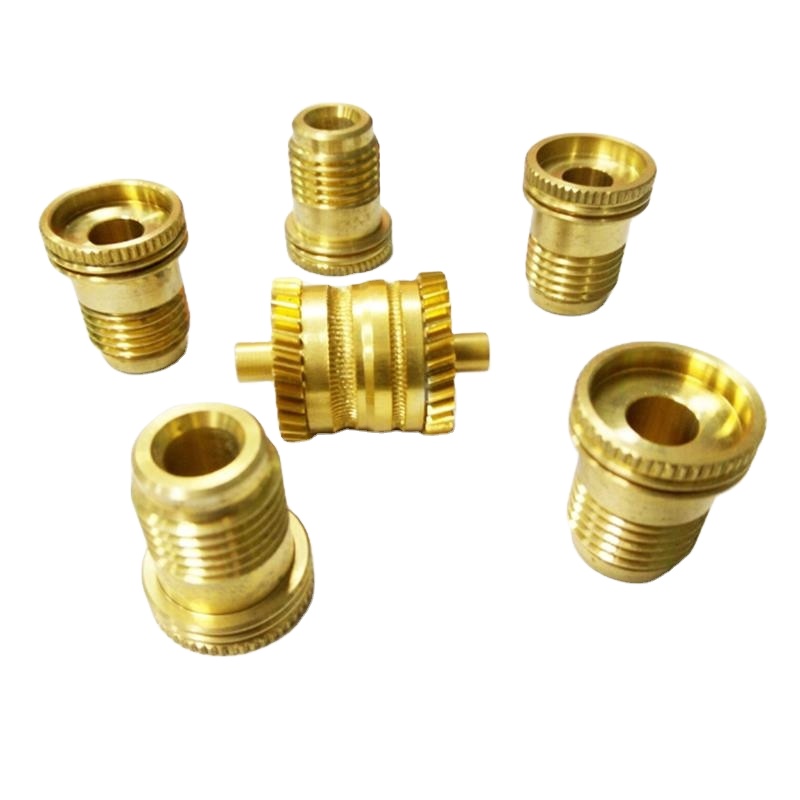
Can Gold Plated Jewelry Tarnish? The Straight Answer
Yes, gold plated jewelry can tarnish, but it’s not the gold itself that tarnishes. Pure gold is a chemically inert metal, meaning it doesn’t react with oxygen, moisture, or most chemicals, so it won’t tarnish or corrode on its own. Tarnishing in gold plated jewelry occurs when the thin gold layer wears away, exposing the base metal underneath. This base metal then reacts with elements in the environment, leading to discoloration.
Why Tarnishing Happens to Gold Plated Jewelry
Tarnishing in gold plated jewelry is a result of the base metal’s reaction with external factors, and several key reasons contribute to this process:
Wear and Tear Exposing the Base Metal
Daily wear is the most common cause of gold layer breakdown. Activities like rubbing against clothing, typing, or handling objects create friction that gradually wears away the gold plating. Over time, this friction thins the gold layer, leaving parts of the base metal exposed. Metals like copper or brass, commonly used as base metals, react with oxygen, sulfur, and moisture in the air, forming a dark, dull, or greenish film—this is what we recognize as tarnish.
Exposure to Chemicals and Moisture
Everyday substances can 加速 (accelerate) the deterioration of the gold layer. Perfumes, lotions, hairsprays, and hand sanitizers contain chemicals that can weaken the bond between the gold and the base metal, causing the plating to wear off faster. Moisture from sweat, rain, or humidity can also seep into tiny cracks in the gold layer, reacting with the base metal and promoting tarnishing. Harsh chemicals like chlorine (found in pools) or saltwater are especially damaging, as they can corrode the gold plating quickly.
Poor Quality or Thin Plating
The quality of the gold plating directly affects how prone a piece is to tarnishing. Jewelry with a very thin gold layer (less than 1 micron) will wear away quickly, exposing the base metal to tarnishing elements sooner. Poorly applied plating may also have uneven coverage, with thinner spots that wear down first, leading to patchy tarnishing. In contrast, higher-quality plating with a thicker gold layer (2 microns or more) can delay tarnishing by withstanding more wear and tear.

How to Prevent or Slow Down Tarnishing in Gold Plated Jewelry
While gold plated jewelry can tarnish, there are practical steps you can take to protect it and extend its lifespan:
Minimize Exposure to Harmful Elements
The first line of defense is to reduce contact with substances that damage the gold layer. Put on your gold plated jewelry after applying perfumes, lotions, or hair products, and wait for them to dry completely. Remove your jewelry before swimming, showering, washing dishes, or cleaning to avoid contact with water, chlorine, or harsh cleaners. Take off gold plated pieces during exercise, gardening, or other activities that involve sweat, friction, or dirt.
Clean and Maintain Regularly
Gentle cleaning helps preserve the gold layer and prevent tarnish buildup. After wearing your jewelry, wipe it with a soft, dry microfiber cloth to remove oils, dirt, or moisture. For deeper cleaning, mix a small amount of mild soap with lukewarm water, dip a soft cloth in the solution, and gently wipe the piece—avoid submerging it in water. Dry the jewelry immediately with a clean cloth to prevent moisture from seeping into the base metal. Never use abrasive cleaners, toothpaste, or metal polishes, as these can scratch or remove the gold plating.
Store Properly When Not in Use
Proper storage protects gold plated jewelry from air, moisture, and friction that cause tarnishing. When you’re not wearing your pieces, store them in airtight containers, sealed plastic bags, or a jewelry box with a lid. Adding a silica gel packet to the storage container helps absorb excess moisture, reducing the risk of oxidation on the base metal. Keep the storage area cool and dry, away from direct sunlight or heat sources, which can accelerate plating breakdown.
Choose High-Quality Gold Plated Pieces
Investing in better-quality gold plated jewelry can significantly delay tarnishing. Look for pieces with a gold layer of at least 2 microns thick, as thicker plating is more durable. Reputable brands often use high-quality base metals (like brass or stainless steel) that are less reactive, meaning they tarnish more slowly if the gold layer does wear away. Some brands also apply a protective top coat over the gold layer, adding an extra barrier against wear and chemicals.

Final Thoughts: Enjoying Gold Plated Jewelry With Care
Gold plated jewelry can tarnish, but with the right care, you can keep it looking radiant for months or even years. Remember, tarnishing is not a flaw in the gold itself but a reaction of the exposed base metal—so protecting the thin gold layer is key. By understanding the causes of tarnishing and taking steps to prevent it, you can enjoy the beauty and affordability of gold plated jewelry while keeping it in top condition.
With mindful handling, regular cleaning, and proper storage, your gold plated pieces can continue to shine and complement your style for a long time to come.
Does Gold Plated Sterling Silver Tarnish? Everything You Need to Know
Will Gold Plated Rings Tarnish? Understanding the Process and Protection Tips
Related Article

Fast sampling is the fastest way to win business in the hardware machining and plastic mold industries. Customers want a working sample in days, and a 3D printer delivers it, but only when you know how to print in 3d correctly.
how to print in 3d

Fast sampling is the fastest way to win business in the hardware machining and plastic mold industries. Customers often send an STL file and expect a working sample in days.
how to print an stl file

