
Can Gold Plated Jewelry Get Wet? What You Need to Know
Author: SZTC
2025-08-18
Gold plated jewelry is a popular choice for its affordable shine, but many owners wonder: can gold plated jewelry get wet? Whether you’re washing your hands, swimming, or caught in the rain, water exposure is a common concern. Let’s explore the effects of water on gold plated pieces and how to keep them looking their best.
1.1 The Structure of Gold Plating
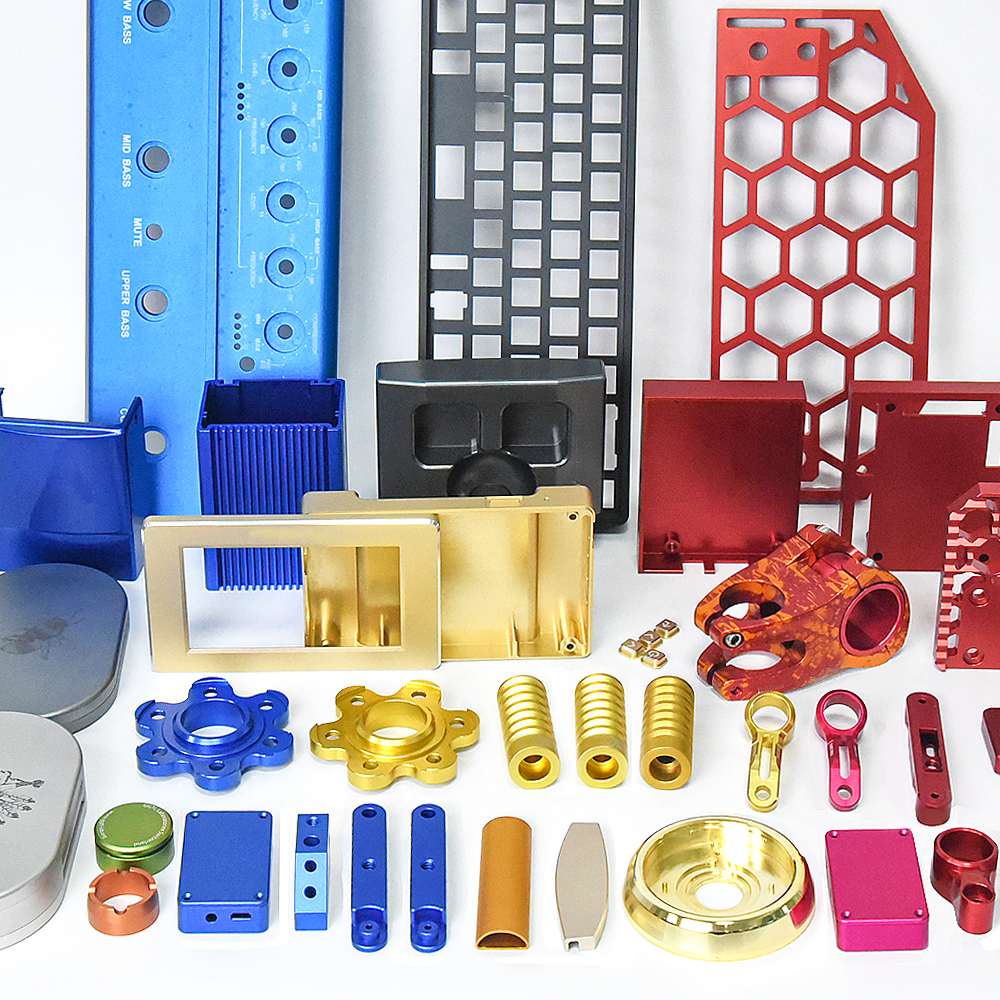
Gold plated jewelry consists of a base metal (like copper, brass, or nickel) covered by a thin layer of gold—usually just 0.5 to 2.5 microns thick. This thin layer is bonded to the base metal through electroplating, creating a golden finish. Unlike solid gold or gold filled pieces, the gold here is not deeply integrated, making it more vulnerable to damage.
1.2 Why Water Might Be a Problem
Water itself isn’t inherently harmful, but it often carries other substances that can affect gold plating. Soap, shampoo, chlorine, salt, and even natural oils from your skin can interact with the plating over time. These substances can weaken the bond between the gold layer and the base metal, leading to tarnishing, peeling, or discoloration.
2.1 Tap Water and Daily Activities
Washing your hands or face with tap water occasionally is unlikely to ruin gold plated jewelry immediately. However, repeated exposure to tap water—especially if it’s hard water (high in minerals) or contains chlorine—can gradually wear down the plating. The minerals and chemicals can create a film on the surface, making the gold look dull over time.
2.2 Chlorinated and Salt Water
Chlorine (found in pools) and salt water (from oceans or seas) are far more damaging. Chlorine is a harsh chemical that can break down the metal bonds in the plating, causing it to peel or fade quickly. Salt water, on the other hand, is corrosive; it can react with the base metal, leading to tarnishing and weakening the gold layer. Even a short swim in a pool or ocean can harm your gold plated pieces.
2.3 Hot Water and Steam
Hot water and steam—like in showers or saunas—can also accelerate damage. The heat opens up tiny pores in the plating, allowing moisture and chemicals to seep in more easily. This can speed up the breakdown of the gold layer, leading to premature wear.

3.1 When to Remove Your Jewelry
To extend the life of your gold plated pieces, remove them before:
- Washing hands, doing dishes, or cleaning (exposure to soap and chemicals)
- Swimming in pools or oceans (chlorine and salt)
- Showering or using a sauna (heat and steam)
- Applying lotion, perfume, or hair products (chemicals can react with plating)
3.2 Cleaning and Caring for Wet Jewelry
If your gold plated jewelry does get wet, dry it immediately with a soft cloth. Avoid using harsh cleaners or abrasive materials, as these can scratch the plating. Instead, gently wipe the surface with a damp cloth and mild soap (if needed), then dry thoroughly. Storing jewelry in a dry, airtight container can also prevent tarnishing.
3.3 Knowing the Limits
While occasional exposure to water won’t destroy gold plated jewelry, repeated or prolonged contact will shorten its lifespan. Unlike gold filled or solid gold, which are more water - resistant, gold plated pieces rely on a thin layer that can’t withstand frequent moisture.

The short answer is: gold plated jewelry can get wet, but it’s best to avoid it when possible. Water, especially with added chemicals or salt, can damage the thin gold layer over time, causing fading, peeling, or tarnishing. By removing your jewelry during activities involving water and taking proper care of it, you can keep your gold plated pieces looking shiny and new for longer.
Remember, a little extra care goes a long way in preserving the beauty of your favorite gold plated accessories!
How to Remove Gold Plate: A Comprehensive Guide
Gold Filled vs. Gold Plated: Which One is Better for You?
Related Article

Fast sampling is the fastest way to win business in the hardware machining and plastic mold industries. Customers want a working sample in days, and a 3D printer delivers it, but only when you know how to print in 3d correctly.
how to print in 3d

Fast sampling is the fastest way to win business in the hardware machining and plastic mold industries. Customers often send an STL file and expect a working sample in days.
how to print an stl file

