
Exploring the World of B2B Auto Parts
Author: SZTC
2025-05-08
In the ever - evolving automotive industry, the B2B (Business - to - Business) auto parts sector plays a crucial role. It serves as the backbone that keeps vehicles on the road, supplying everything from engine components to small accessories. Let's take a closer look at what makes B2B auto parts a significant and dynamic part of the business world.
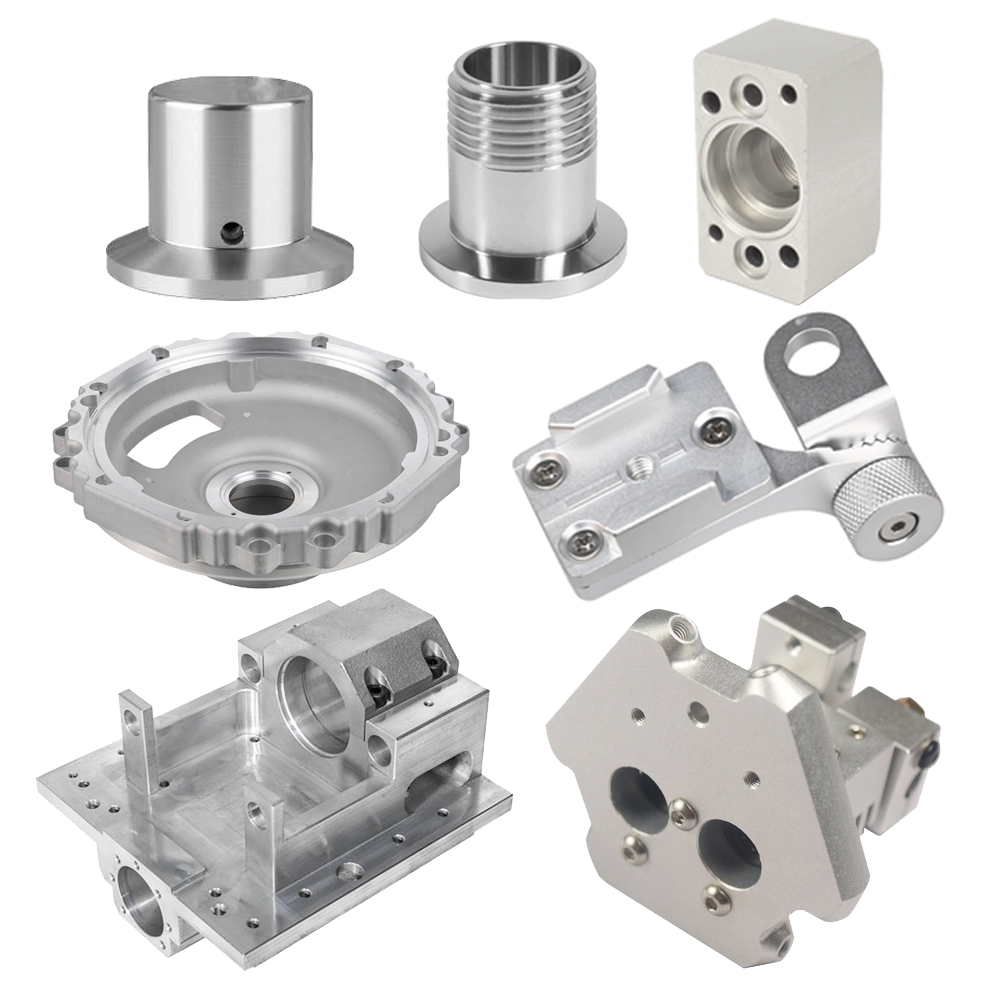
The Vast Market of B2B Auto Parts
Global Reach and Scale
The B2B auto parts market has a truly global footprint. It connects manufacturers, distributors, repair shops, and fleet operators across different countries and continents. For example, a car manufacturing plant in the United States might source parts such as transmissions from a supplier in Germany, while a local auto repair shop in Japan could purchase brake pads from a Chinese manufacturer. This extensive network ensures that automotive businesses can access a wide variety of parts at competitive prices. The market is constantly growing, driven by factors like the increasing number of vehicles on the road, technological advancements in automotive engineering, and the demand for both original equipment manufacturer (OEM) parts and aftermarket alternatives.
Product Diversity
One of the most remarkable aspects of B2B auto parts is the sheer diversity of products available. From essential mechanical components like engines, axles, and differentials to electrical parts such as batteries, alternators, and sensors, the range is vast. Additionally, there are countless body and interior parts, including doors, seats, and dashboard components. Aftermarket parts further expand the options, offering specialized and customized solutions for performance enhancement or cost - effective replacements. Whether it's a high - performance turbocharger for a racing car or a simple air filter for a family sedan, the B2B auto parts market has it all.

Advantages of B2B Auto Parts Transactions
Cost - Efficiency
B2B transactions in the auto parts industry often offer significant cost savings. By eliminating middlemen and direct sourcing, businesses can negotiate better prices with suppliers. For instance, a large fleet operator that buys tires in bulk from a B2B auto parts supplier can secure a lower per - unit cost compared to purchasing from a retail store. Moreover, B2B platforms enable easy price comparison among multiple suppliers, allowing companies to make informed decisions and choose the most cost - effective options. This cost - efficiency is crucial for maintaining competitiveness in the automotive market.
Reliability and Quality Assurance
In the B2B auto parts sector, reliability and quality are of utmost importance. Reputable suppliers adhere to strict quality control standards, ensuring that the parts they supply meet or exceed industry requirements. Many suppliers provide warranties and certifications for their products, giving buyers peace of mind. For example, an OEM parts supplier will ensure that their products are identical to the parts used during vehicle manufacturing, guaranteeing a perfect fit and performance. This focus on quality helps automotive businesses avoid costly repairs and downtime due to faulty parts.

Challenges in the B2B Auto Parts Industry
Supply Chain Complexity
The B2B auto parts supply chain is highly complex. It involves multiple stages, from raw material sourcing to manufacturing, distribution, and delivery. Disruptions at any point in the supply chain can have far - reaching consequences. For example, a natural disaster in a region where a key component is manufactured can lead to shortages and delays in the supply of parts to automotive manufacturers and repair shops worldwide. Additionally, factors such as customs regulations, trade policies, and transportation issues can further complicate the supply chain, making it challenging for businesses to manage inventory and meet customer demands.
Technological Advancements and Adaptation
The automotive industry is constantly evolving with new technologies, and the B2B auto parts sector must keep pace. For example, the rise of electric vehicles (EVs) has created a demand for new types of parts, such as high - capacity batteries and electric drivetrains. Suppliers need to invest in research and development to adapt to these technological changes. Moreover, digitalization is transforming the way B2B auto parts transactions are conducted. Companies need to adopt e - commerce platforms, data analytics, and supply chain management software to stay competitive. However, implementing these technologies can be costly and requires a skilled workforce, presenting a challenge for many businesses.
In conclusion, the B2B auto parts industry is a complex yet essential part of the automotive ecosystem. While it offers numerous advantages such as cost - efficiency and quality assurance, it also faces challenges related to supply chain management and technological adaptation. As the automotive industry continues to evolve, the B2B auto parts sector will need to innovate and adapt to meet the changing needs of businesses and consumers alike.
Unveiling the Intricacies of B2B Automotive Parts
Can I Trust Alibaba Verified Supplier?
Related Article

Fast sampling is the fastest way to win business in the hardware machining and plastic mold industries. Customers want a working sample in days, and a 3D printer delivers it, but only when you know how to print in 3d correctly.
how to print in 3d

Fast sampling is the fastest way to win business in the hardware machining and plastic mold industries. Customers often send an STL file and expect a working sample in days.
how to print an stl file

