
Shanghai Jiaotong University: Numerical Simulation And Performance Research Of Low Pressure Casting Magnesium Alloy Steering Knuckle

With the continuous increase of global automobile production and ownership, energy consumption, safety, environmental protection and other issues have become increasingly prominent, and automobile lightweight technology has become an important means to promote the sustainable development of the automobile industry, improve automobile fuel economy, and reduce automobile exhaust emissions. Magnesium alloy has the characteristics of high specific strength, high specific stiffness, high damping performance, and anti-electromagnetic interference. It has become a key research object in the development of automobile lightweight development. Among them, rare earth elements play a significant role in improving the room temperature and high temperature mechanical properties, heat resistance and corrosion resistance of magnesium alloys. Mg-Gd-Y-Zr alloy, as a typical age-strengthened alloy, has attracted more and more attention due to its advantages in performance and price.
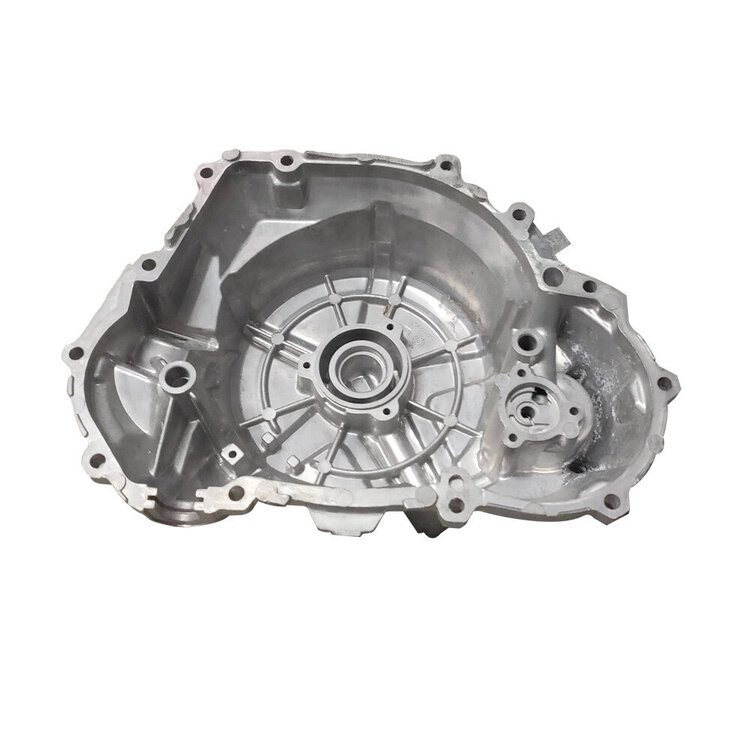
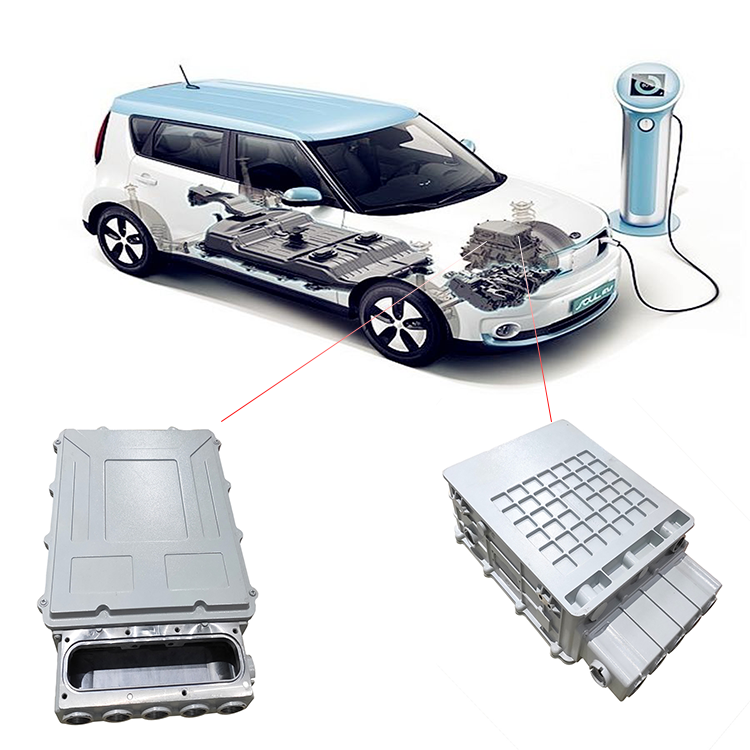
The car steering knuckle mainly controls the driving direction of the car, supports the body and transmits the load in the body to the front wheels, and transmits the thrust of the rear axle of the body to the front wheels. When braking, it also carries the braking force and braking force. moment. Low-pressure casting technology has been valued because of its high material utilization rate, easy forming, less gas debris involved, easy automation, and not affected by the operator's proficiency. In the same state, magnesium alloys through low-pressure casting will have better yield strength and tensile strength than gravity casting, while maintaining the same elongation.
The simulation adopts AnyCasting6.5 casting simulation software. The overall size of the steering knuckle casting is 389mm×243mm×398mm, the minimum wall thickness of the casting is 15mm, and the maximum wall thickness is 64mm. According to the structural characteristics of the steering knuckle, a finite difference grid is generated in the x, y, and z directions, and the entire model is divided into about 2 million elements. After completing the low-pressure casting simulation, use the optimized design scheme to process the mold, and perform low-pressure casting to obtain actual castings and die-casting test bars of the same batch, as shown in Figure 2.
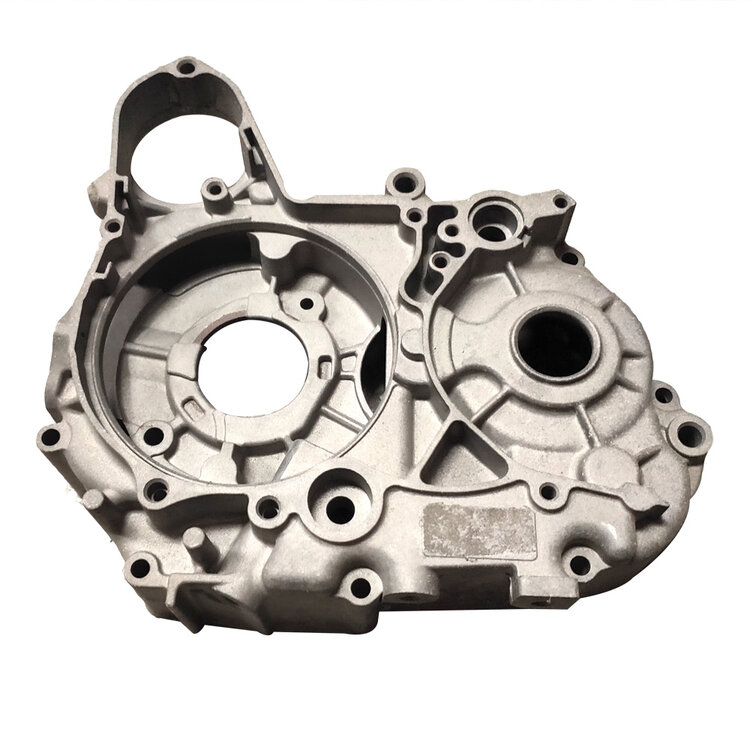
The structural design of the magnesium alloy steering knuckle has no area with too small wall thickness. The simulation results show that after the process parameters are optimized, there will be no defects. The cooling rate at the bottom is slow, and the cooling rate at the top is high. The overall design is very suitable for low-pressure casting. The optimal heat treatment parameters for Mg-Gd-Y-Zr alloy are: solution treatment at 500℃ for 8h, aging treatment at 200℃ for 24h. The performance of each part of the casting has a high correlation with its grain size, and the yield strength of the larger grain size is lower. The grain size of each part of the casting has a high correlation with the cooling rate. After predicting the grain size according to the simulated cooling rate, it is found that the two have a high consistency.
Lightweight and Strong? New Material is 5% as Dense as Steel but 10 Times Stronger
Professor Liu Jing's Team At Wuhan University Of Science And Technology: The Effect Of Wire Arc Additive Manufacturing On The Fatigue Behavior Of Ta15 Titanium Alloy
Related Article



