
AM 3D Printing: Core Rapid Sampling Tool for Hardware and Plastic Mold Industry
Author: SZTC
2026-07-04


Samuel Song Your service representative
Specializing in zinc-aluminum-magnesium alloy die-casting processing, CNC milling, CNC turning, 3D printing, injection molding and sheet metal processing. Manufacturing services.
-----------------------------------------------------------------------------------------------------------------------------------------------------------------------------------------------------------------------------------------------------------------------------------------------------------------------------------------------
Many engineers in hardware processing and plastic mold sectors often mention AM 3D printing when talking about fast prototype development. AM stands for Additive Manufacturing, and AM 3D printing has reshaped traditional trial production workflows by building parts layer by layer. Compared with subtractive CNC machining, it brings unique strengths to factories that frequently need custom samples for mold and hardware verification.

To fully utilize its industrial value, manufacturers must first clarify what AM 3D printing really means for manufacturing workshops.
1.1 Working Principle of Additive Manufacturing
AM 3D printing creates solid components by depositing materials layer upon layer without cutting raw blanks. It supports resin, engineering filament and composite materials, covering nearly all sampling demands for plastic mold outlines and lightweight hardware tooling. Complex curved or hollow structures impossible for traditional cutting can be formed in one printing cycle.
1.2 Main AM 3D Printing Technologies for Factories
Two mainstream AM types dominate mold and hardware sampling: SLA resin printing for ultra-precise mold cavity samples, and industrial FDM printing for durable hardware jigs and fixtures. Both fall under the scope of AM 3D printing and are widely placed in factory R&D rooms for daily prototype tests.

The biggest advantage of AM 3D printing lies in solving core pain points of hardware and mold rapid sampling.
2.1 Fast Mold Structure Validation
Engineers rely on AM 3D printing to print scaled-down mold cavity samples before steel mold opening. They can check demolding angles, wall thickness and assembly gaps within several hours, avoiding expensive steel mold rework caused by flawed early designs.
2.2 Custom Hardware Tool Production
Factories apply AM 3D printing to produce non-standard positioning jigs, inspection brackets and assembly aids. These printed hardware auxiliary parts cut setup time during CNC processing and improve dimensional consistency of finished hardware products.
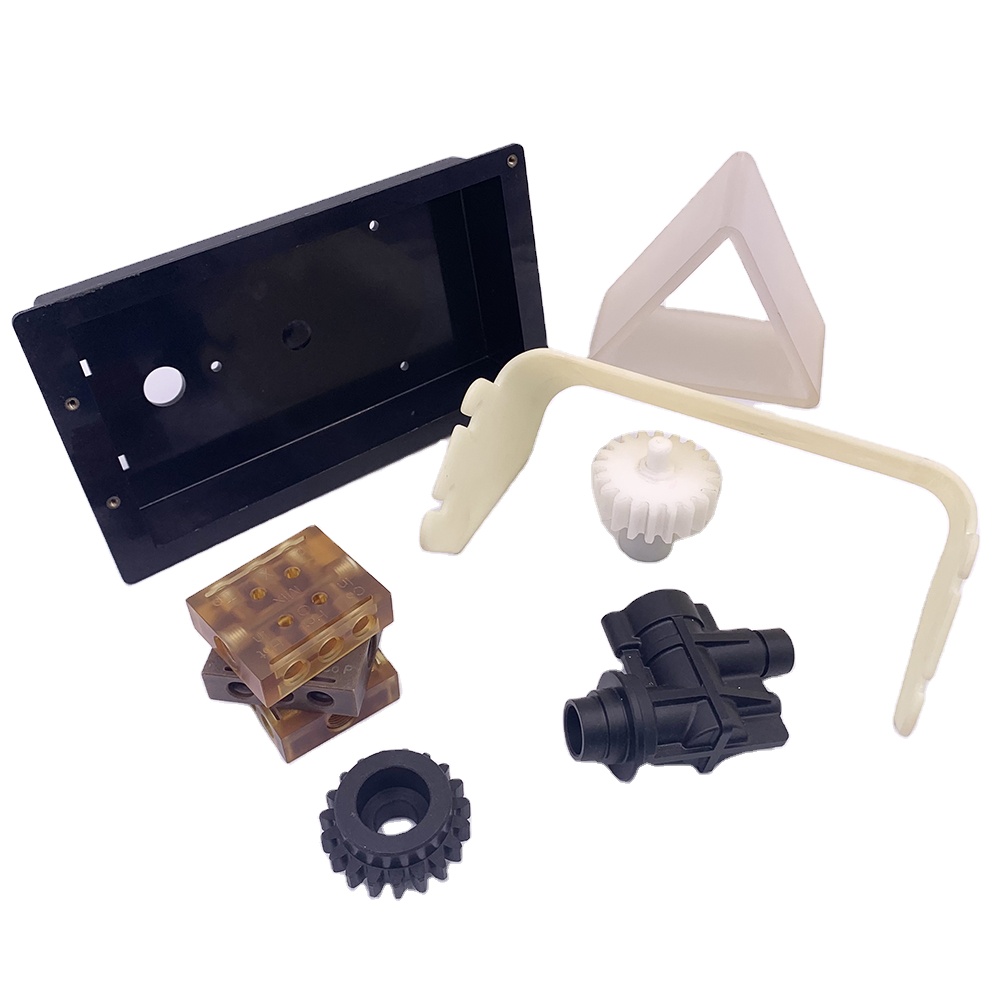
Investing in AM 3D printing creates lasting competitiveness for mold and hardware manufacturers.
3.1 Lower Trial Production Costs
Additive manufacturing wastes far less raw material than traditional machining. Small batches of test samples can be printed on demand, eliminating the need to open temporary molds for simple design checks.
3.2 Accelerate New Product Iteration
Designers can adjust digital models and reprint samples overnight via AM 3D printing. Shortened R&D cycles allow factories to launch new hardware and plastic products ahead of market competitors.
In conclusion, AM 3D printing is no longer a niche experimental technology. It serves as an essential auxiliary process that balances speed, precision and cost for all hardware processing and plastic mold enterprises focusing on rapid sample development.
Are 3D Printers Hard to Use for Industrial Rapid Sampling
Who Does 3D Printing Near Me for Mold and Hardware Fast Sampling
Related Article

Fast sampling is the fastest way to win business in the hardware machining and plastic mold industries. Customers want a working sample in days, and a 3D printer delivers it, but only when you know how to print in 3d correctly.
how to print in 3d

Fast sampling is the fastest way to win business in the hardware machining and plastic mold industries. Customers often send an STL file and expect a working sample in days.
how to print an stl file

