
A 3D Printer: Essential Tool for Hardware & Plastic Mold Rapid Sampling
Author: SZTC
2026-05-07


Samuel Song Your service representative
Specializing in zinc-aluminum-magnesium alloy die-casting processing, CNC milling, CNC turning, 3D printing, injection molding and sheet metal processing. Manufacturing services.
-----------------------------------------------------------------------------------------------------------------------------------------------------------------------------------------------------------------------------------------------------------------------------------------------------------------------------------------------
In modern hardware processing and plastic mold manufacturing, product iteration speed determines market competitiveness. A 3D printer has become an indispensable industrial tool, perfectly solving the slow sampling problem of traditional CNC machining and mold trial production. It helps factories quickly verify product structures and optimize mold designs with lower costs.
1. Basic Functions of a 3D Printer
Understanding the industrial value ofa 3D printer helps manufacturers make full use of it for rapid prototyping and sampling work.
1.1 Layer-by-Layer Additive Manufacturing
Different from traditional cutting processes, a 3D printer builds physical parts by stacking materials layer by layer. It easily creates complex hollow and irregular structures that are difficult to process with traditional hardware and mold machining.
1.2 Fast Digital Model Conversion
A 3D printer can directly convert CAD digital models into physical samples. It eliminates tedious mold opening and tooling preparation procedures, greatly shortening the pre-production verification cycle.

2. Applications of a 3D Printer in Plastic Mold Industry
A 3D printer greatly optimizes the research and development process of plastic molds, bringing huge advantages to rapid sample verification.
2.1 Plastic Prototype Sampling
Factories use a 3D printer to produce high-precision resin and engineering plastic samples. These samples are used to check product appearance, assembly compatibility and structural rationality before formal steel mold manufacturing.
2.2 Trial Mold Insert Production
Industrial-grade a 3D printer can print high-temperature resistant mold inserts. It supports small-batch injection trial tests, helping engineers optimize mold runners and cooling systems in advance.
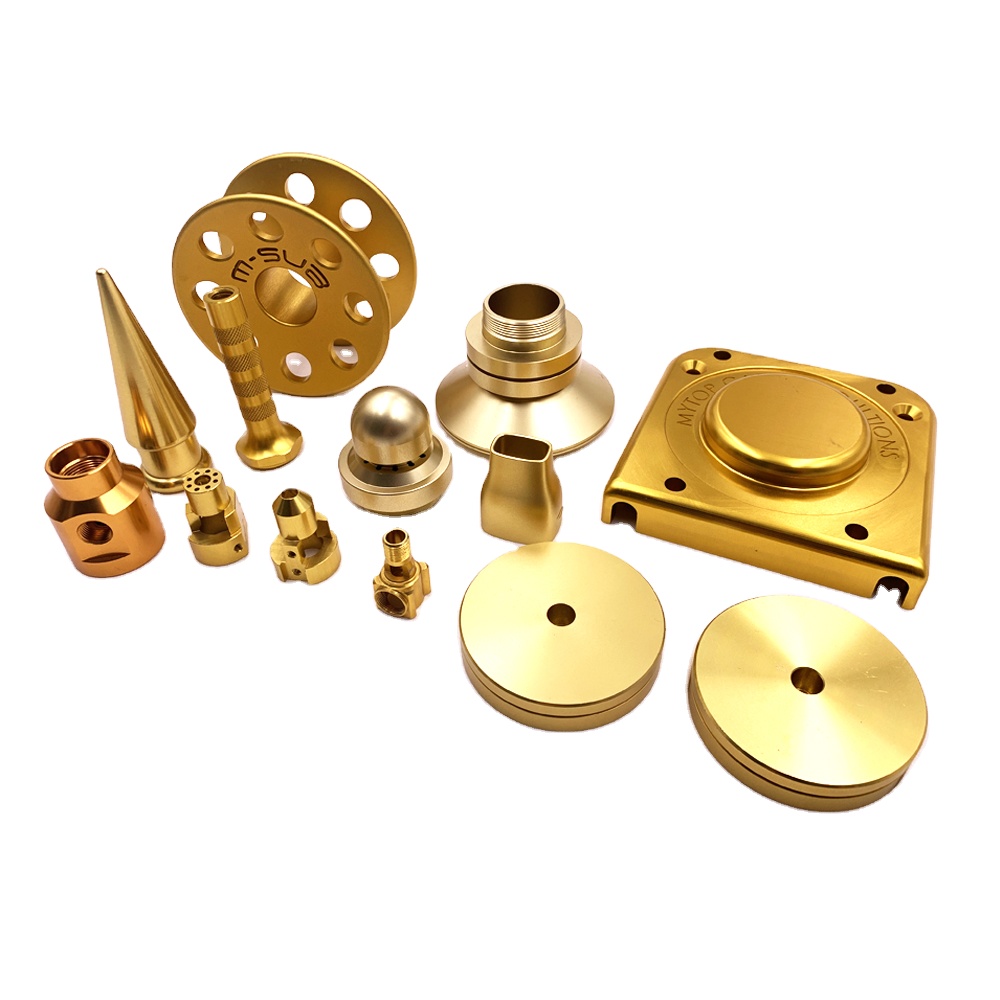
3. Applications of a 3D Printer in Hardware Processing Industry
For hardware processing enterprises, a 3D printer realizes efficient functional prototyping and auxiliary tooling production.
3.1 Functional Hardware Prototyping
Equipped with metal printing modules, a 3D printer manufactures stainless steel and aluminum alloy hardware parts. These functional prototypes can be used for strength testing and mechanical assembly verification.
3.2 Custom Tooling Fabrication
A 3D printer quickly produces custom jigs, fixtures and positioning tools for hardware processing. It improves production accuracy and solves the problem of long cycle of traditional custom tooling.
In summary, a 3D printer is a core rapid sampling device for hardware and plastic mold industries. It reduces R&D costs, speeds up product iteration, and brings efficient and flexible production solutions to modern manufacturing.

Can I 3D Print a 3D Printer for Hardware & Plastic Mold Fast Sampling
Where to Get Something 3D Printed for Hardware & Plastic Mold Rapid Sampling
Related Article

Fast sampling is the fastest way to win business in the hardware machining and plastic mold industries. Customers want a working sample in days, and a 3D printer delivers it, but only when you know how to print in 3d correctly.
how to print in 3d

Fast sampling is the fastest way to win business in the hardware machining and plastic mold industries. Customers often send an STL file and expect a working sample in days.
how to print an stl file

