
What is a CNC Machine? Unveiling the Precision Powerhouse
Author: SZTC
2025-03-26
In the fast-paced realm of modern manufacturing, CNC machines have emerged as game-changers. But what exactly is a CNC machine, and why has it become an indispensable part of countless industries? Let's embark on a journey to demystify this remarkable technology.
1. The Core Definition of a CNC Machine
1.1 What “CNC” Stands For
CNC stands for Computer Numerical Control. A CNC machine is a device that uses pre-programmed computer software to control the movement of tools and the workpiece. Instead of relying on manual operation for every cut and movement, the machine follows a set of digital instructions, enabling highly accurate and repeatable manufacturing processes.
1.2 The Fundamental Concept
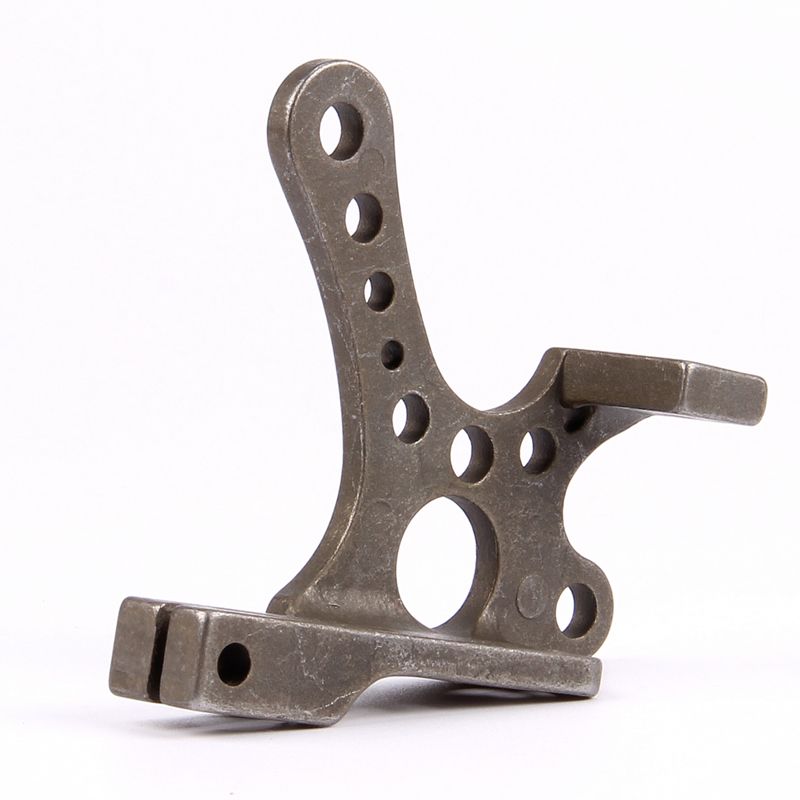
At its core, a CNC machine is designed to take raw materials, such as metal, plastic, or wood, and transform them into precisely shaped components. This is achieved through a series of controlled movements of cutting tools, which remove material from the workpiece in a highly regulated manner. The entire process is automated, reducing the margin of error associated with human - operated machinery.

2. How a CNC Machine Operates
2.1 The Programming Aspect
The first step in the operation of a CNC machine is programming. Skilled programmers utilize specialized software, such as Computer - Aided Design (CAD) and Computer - Aided Manufacturing (CAM) software. In CAD, a detailed 3D model of the part to be produced is created. CAM software then takes this design and converts it into a set of instructions, known as G - code. This code contains information about the tool paths, spindle speeds, feed rates, and depth of cuts that the CNC machine needs to execute.
2.2 The Mechanical Execution
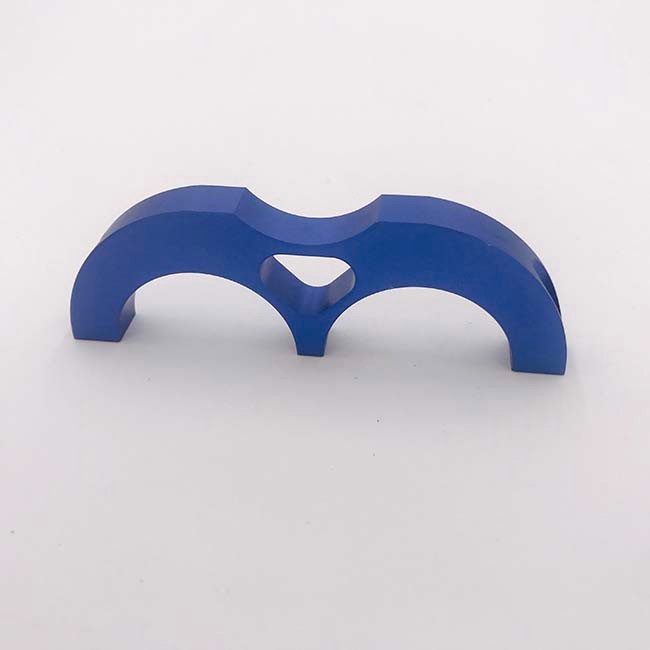
Once the G - code is loaded into the CNC machine's control unit, the real action begins. The control unit sends electrical signals to the machine's motors. These motors are responsible for moving the axes of the machine (such as the X, Y, and Z axes in a three - dimensional setup). As the axes move, the cutting tool attached to the machine head engages with the workpiece. The movement of the tool is so precise that it can create intricate shapes and achieve tolerances as small as a few thousandths of an inch.
3. Different Types of CNC Machines
3.1 CNC Milling Machines
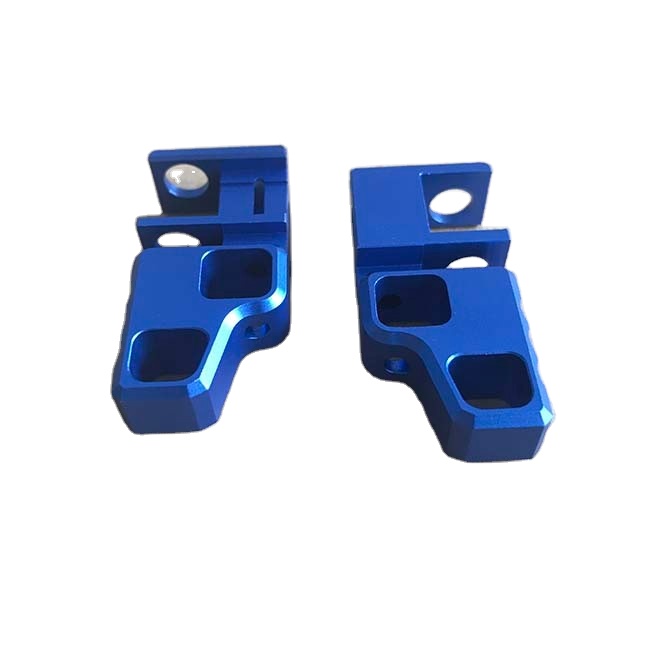
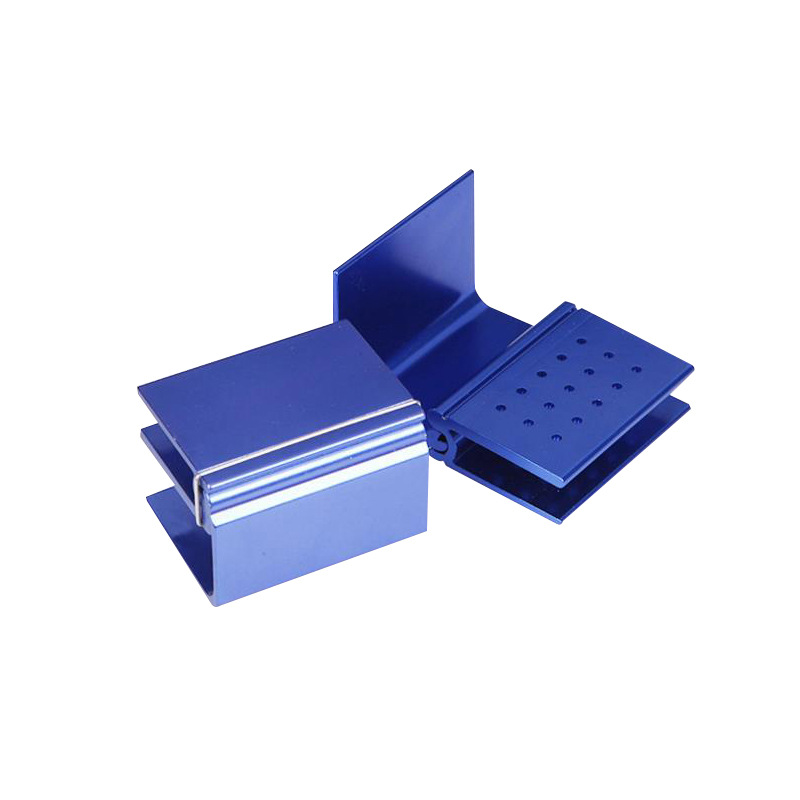
CNC milling machines are some of the most common types. They use rotating cutting tools to remove material from the workpiece. These machines can create a wide variety of shapes, including slots, holes, and complex contours. They are often used in the production of parts for the automotive, aerospace, and electronics industries.
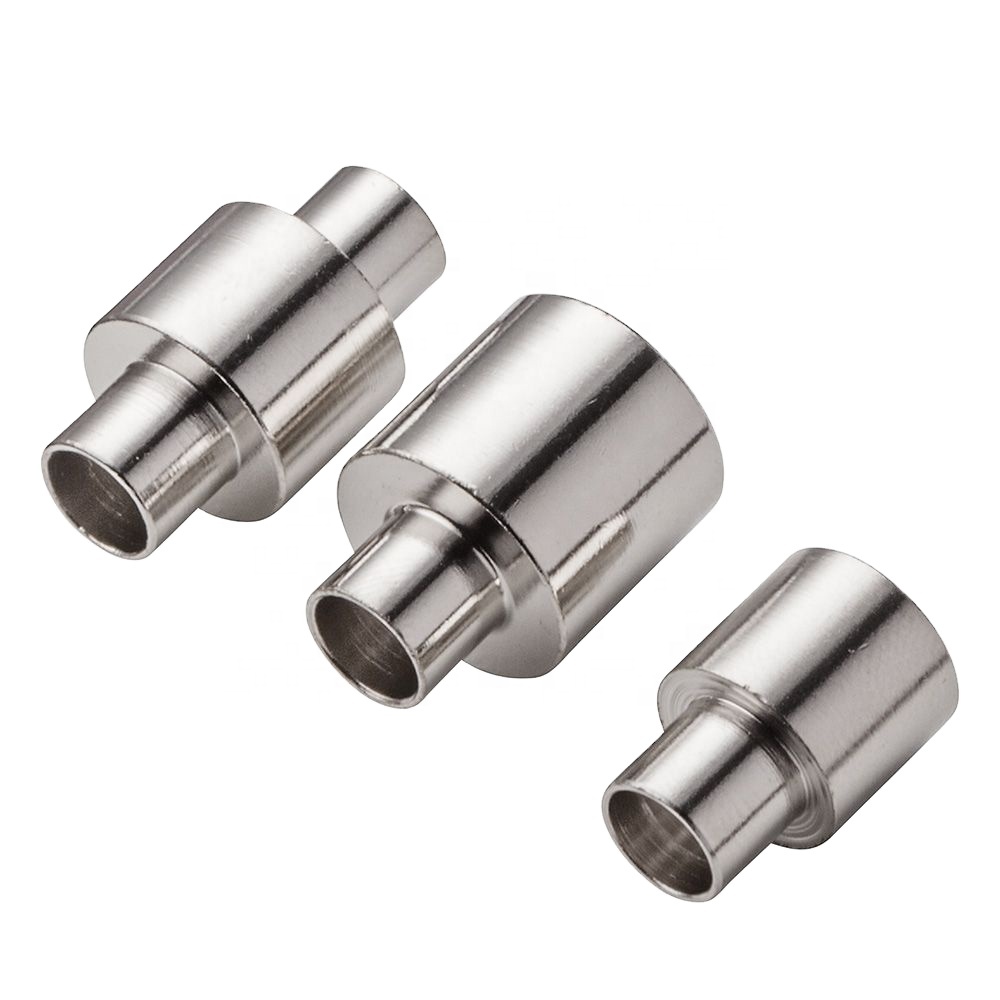
CNC lathes operate differently. They hold the workpiece in place and rotate it while a stationary cutting tool removes material. This process is ideal for creating cylindrical parts, such as shafts, bushings, and screws. Lathes are widely used in the manufacturing of components for machinery and mechanical devices.
3.3 CNC Routers
CNC routers are mainly used for working with materials like wood, plastic, and foam. They use a spinning router bit to cut, carve, or engrave the workpiece. CNC routers are popular in the furniture industry, sign making, and even in the creation of prototypes for product design.
4. Advantages of CNC Machines
4.1 Exceptional Precision
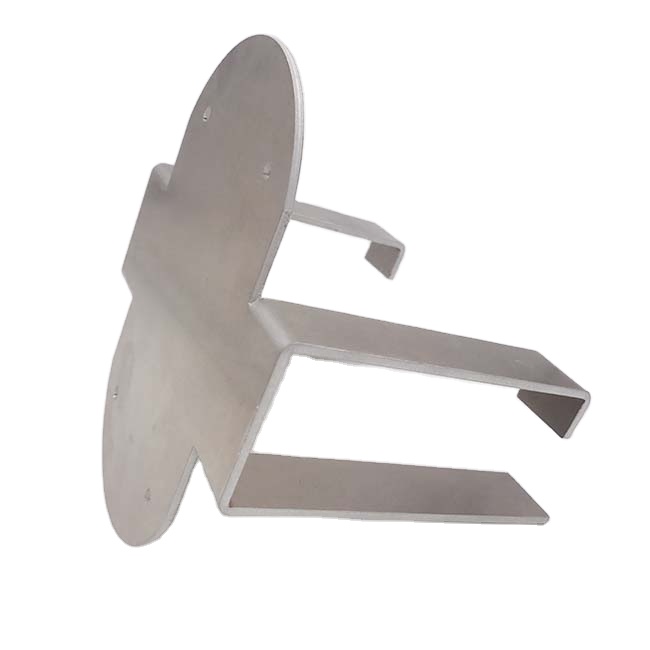
One of the most significant advantages of CNC machines is their ability to achieve extremely high precision. In industries like aerospace, where the tolerance for error is minuscule, CNC machines can produce parts with an accuracy that is difficult to match with manual machining methods.
4.2 High Reproducibility
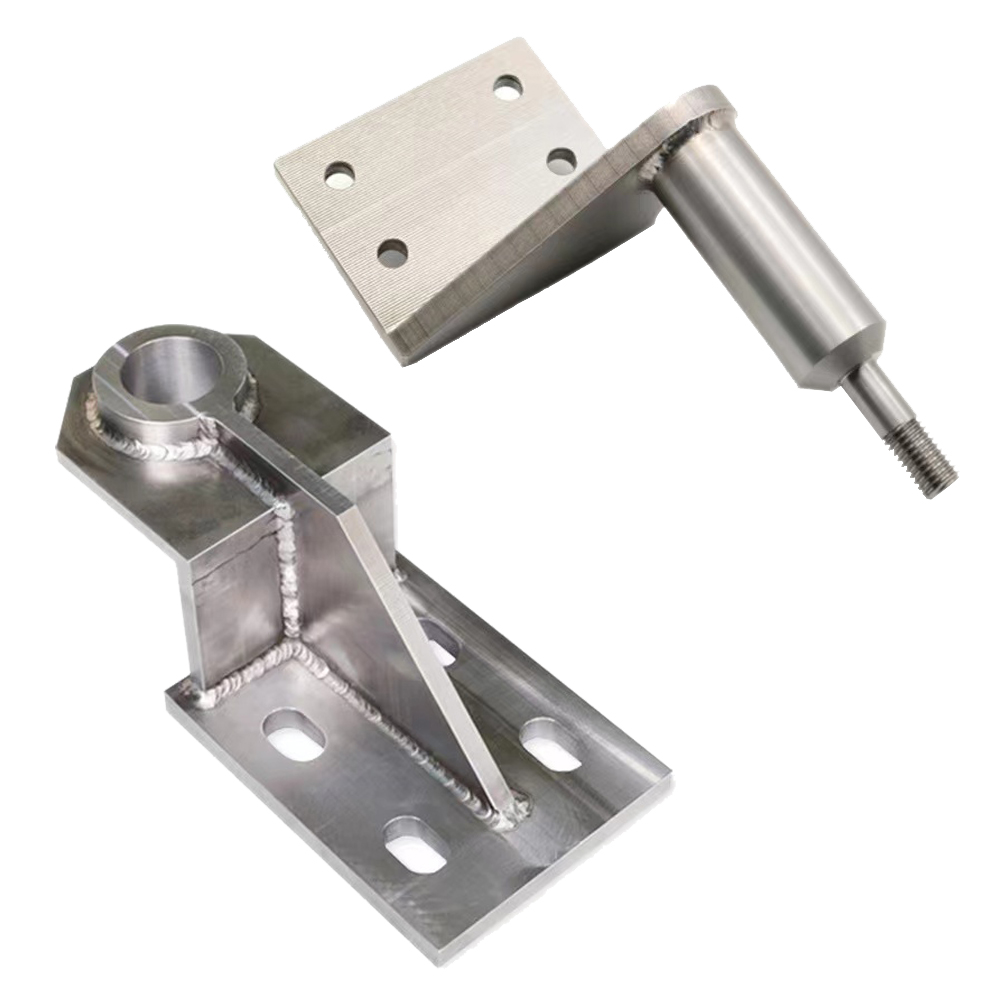
CNC machines can produce identical parts time and time again. Once the program is set, the machine will execute the same operations with consistent results. This is crucial for mass production, ensuring that every product meets the same high - quality standards.
4.3 Increased Efficiency
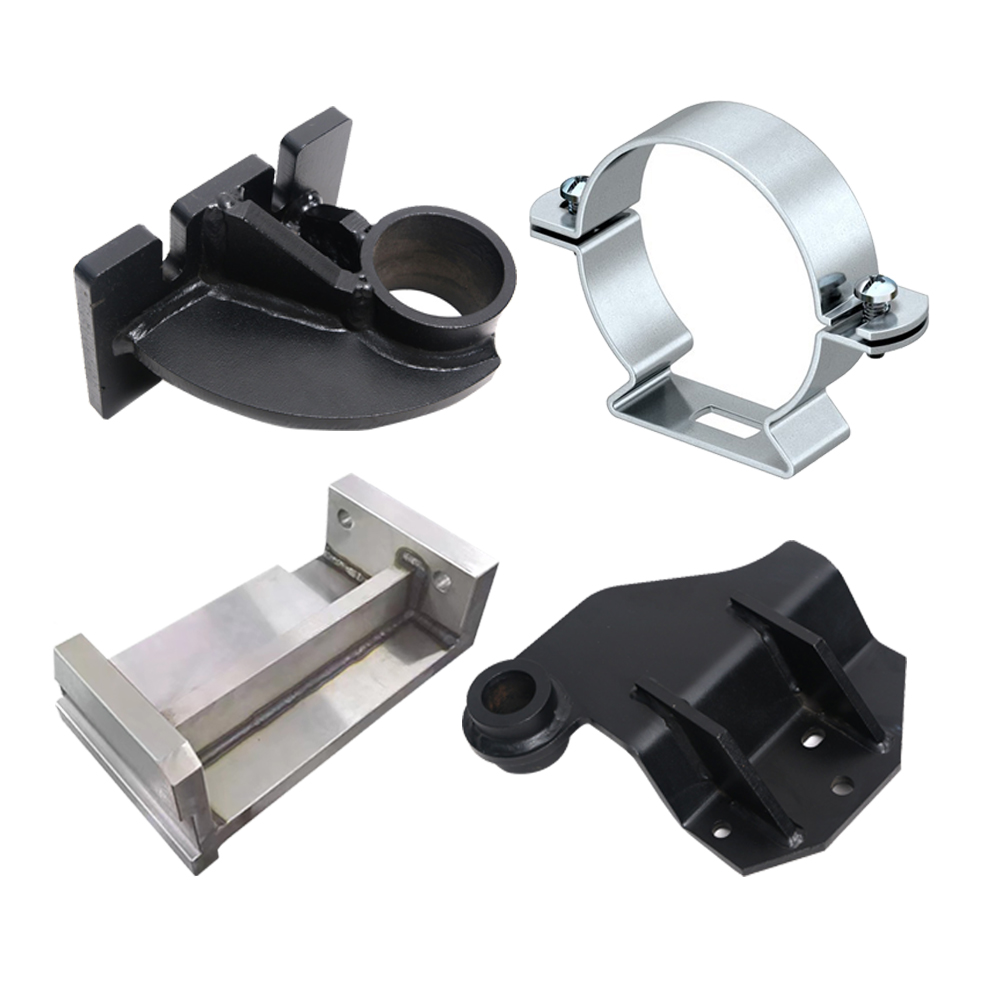
With automation, CNC machines can operate continuously for long periods without fatigue. They can also perform multiple operations in a single setup, reducing the need for manual intervention and the time required to produce a part. This leads to increased productivity and shorter lead times.

5. Applications of CNC Machines
5.1 Aerospace Industry
In the aerospace sector, CNC machines are used to manufacture critical components such as engine parts, wing structures, and landing gear components. The high precision and reliability of CNC machining are essential for ensuring the safety and performance of aircraft.

5.2 Automotive Manufacturing
Automotive manufacturers rely on CNC machines to produce engine blocks, transmission components, and various other parts. CNC machining allows for the creation of complex designs that improve the performance and fuel efficiency of vehicles.
5.3 Medical Device Production
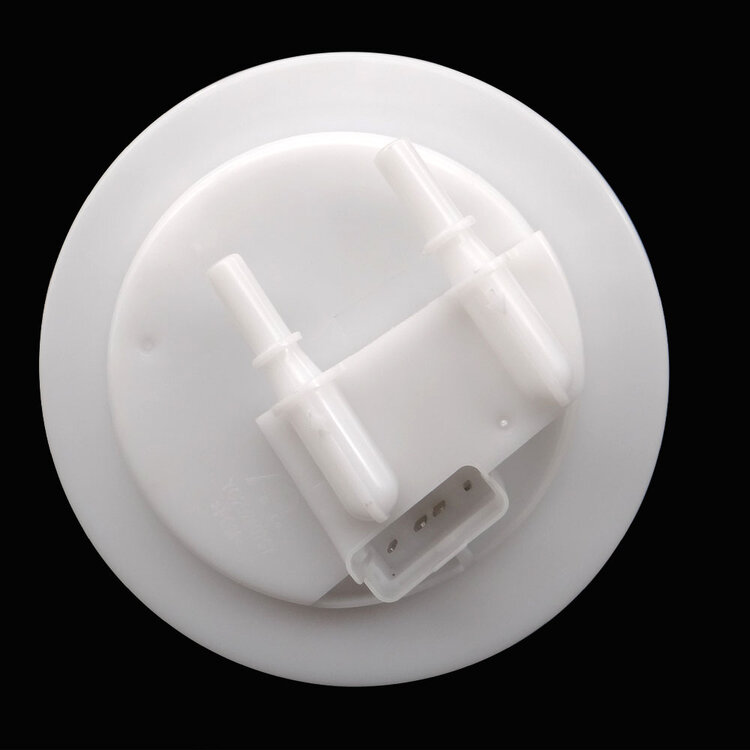
CNC machines play a vital role in the production of medical devices. From surgical instruments to prosthetics, the precision of CNC machining ensures that these devices fit and function correctly, ultimately improving patient care.
In conclusion, CNC machines are a marvel of modern engineering. Their ability to combine precision, efficiency, and versatility has made them an essential part of numerous industries. Whether it's crafting a tiny component for a smartphone or a large structural part for a ship, CNC machines continue to drive innovation and progress in manufacturing.
What is CNC Equipment? A Comprehensive Introduction
What is CNC Machining? A Comprehensive Guide
Related Article

Fast sampling is the fastest way to win business in the hardware machining and plastic mold industries. Customers want a working sample in days, and a 3D printer delivers it, but only when you know how to print in 3d correctly.
how to print in 3d

Fast sampling is the fastest way to win business in the hardware machining and plastic mold industries. Customers often send an STL file and expect a working sample in days.
how to print an stl file

