
What is Stamped Metal? Unveiling the Wonders of Metal Stamping
Author: SZTC
2025-04-02


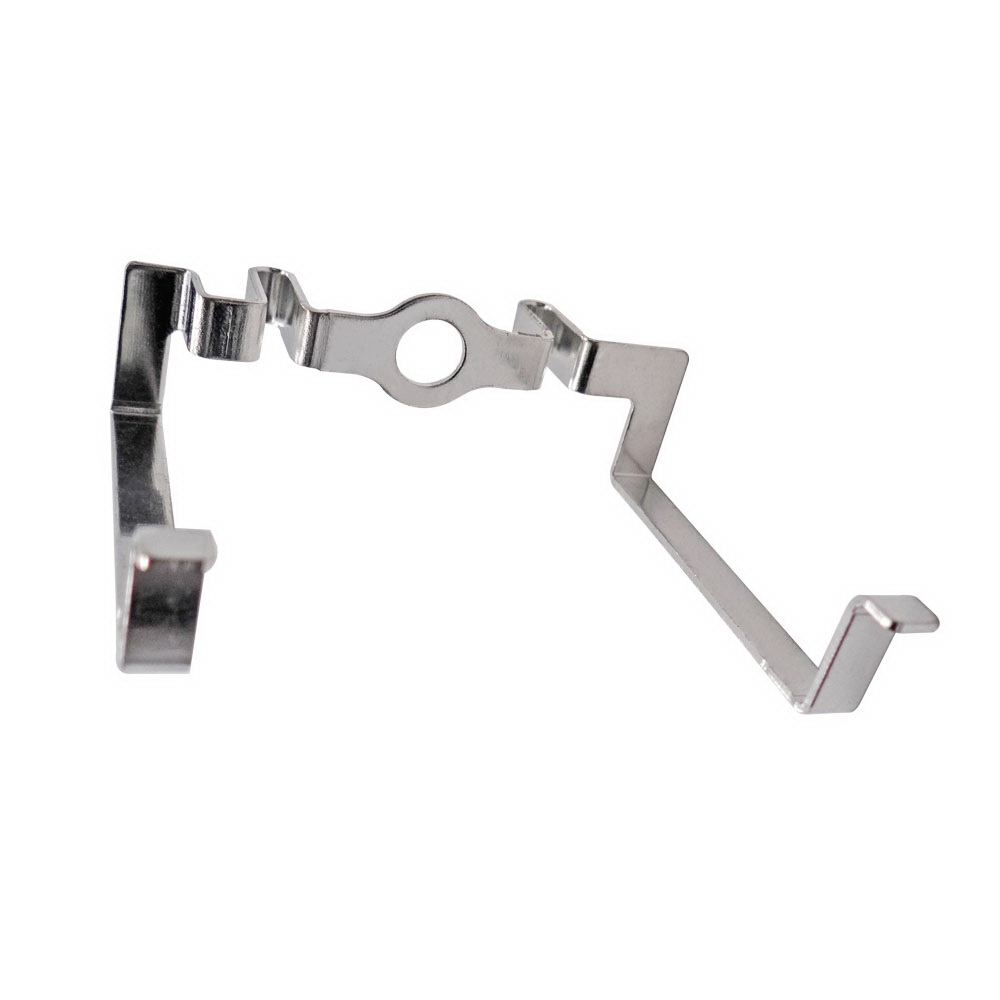
In the vast realm of manufacturing and metalworking, stamped metal holds a significant and indispensable position. But what exactly is stamped metal? Let's embark on a journey to explore this fascinating topic.
Defining Stamped Metal
Stamped metal refers to metal components or parts that are created through the process of metal stamping. Metal stamping is a sheet metal forming process in which a sheet of metal, typically made of materials such as steel, aluminum, copper, or their alloys, is placed between a die and a punch. By applying a large amount of force, usually with the help of a stamping press, the metal is shaped according to the design of the die. This force deforms the metal plastically, meaning it permanently changes its shape without breaking. The result is a precisely formed metal part with a specific geometry, which can range from simple flat shapes to highly complex three - dimensional structures.
The Working Mechanism of Metal Stamping
The Role of Dies and Punches
Dies and punches are the heart of the metal stamping process. The die is a hardened metal block with a cavity or shape that corresponds to the desired final form of the stamped part. The punch, on the other hand, is a tool that is forced into the die, pushing the sheet metal against the die cavity. The clearance between the punch and the die is carefully controlled. If the clearance is too large, the edges of the stamped part may be rough and uneven. If it's too small, excessive wear on the die and punch can occur, and the metal may tear during the stamping process.
Different Types of Stamping Operations
- Blanking: This is one of the most basic stamping operations. In blanking, a punch cuts out a flat shape from a larger sheet of metal. The cut - out piece is the desired part, while the remaining sheet is scrap. For example, when manufacturing washers, a circular blank is punched out from a sheet of metal.
- Piercing: Piercing is the opposite of blanking. Instead of cutting out a piece, a hole is created in the sheet metal. The punch pushes through the metal, and the material removed forms a slug. Holes for bolts, rivets, or ventilation purposes are often created through piercing.
- Bending: Bending operations are used to give the metal a curved or angled shape. The punch and die are designed in such a way that they apply force to bend the metal at a specific angle. This is commonly seen in the production of brackets, where a flat piece of metal is bent to form an L - shaped or U - shaped structure.
- Deep Drawing: Deep drawing is a more complex stamping operation used to create three - dimensional parts such as automotive body panels, cans, and cookware. A flat sheet of metal is placed over a die cavity, and a punch is used to draw the metal into the die, stretching and shaping it into a deep - walled container - like form.
Materials Used in Metal Stamping
As mentioned earlier, a variety of metals and their alloys are used in metal stamping.
- Steel: Steel is one of the most commonly used materials in metal stamping due to its high strength, good formability, and relatively low cost. Mild steel, for example, is easy to stamp and is often used for applications where strength requirements are not extremely high, such as in the production of simple brackets and enclosures. High - strength steel, on the other hand, is used in applications where greater strength and durability are needed, like in the automotive industry for parts such as chassis components.
- Aluminum: Aluminum is highly favored for its lightweight properties. It is used in industries where weight reduction is crucial, such as aerospace and automotive. Aluminum also has good corrosion resistance, making it suitable for outdoor applications. In the aerospace industry, aluminum alloy sheets are stamped to create parts like aircraft wing panels.
- Copper and Copper Alloys: Copper and its alloys, such as brass and bronze, are known for their excellent electrical and thermal conductivity. They are used in applications where these properties are required, such as in the production of electrical connectors and heat sinks. Copper is also relatively easy to stamp, allowing for the creation of intricate shapes.
Applications of Stamped Metal
- Automotive Industry: Stamped metal parts are everywhere in cars. Body panels, such as doors, hoods, and fenders, are made through metal stamping. The precision and repeatability of the stamping process ensure that each part fits perfectly during assembly. Interior components like seat frames and dashboard brackets are also stamped metal parts. In addition, parts in the engine and transmission systems, such as valve covers and clutch housings, are often manufactured using metal stamping techniques.
- Electronics Industry: In the electronics industry, stamped metal is used for a wide range of applications. Metal enclosures for electronic devices, such as computers, smartphones, and tablets, are commonly made through stamping. These enclosures not only provide protection for the delicate internal components but also help with heat dissipation. Electrical connectors, which are essential for ensuring proper electrical conductivity between different components, are also often stamped from copper or its alloys.
- Aerospace Industry: The aerospace industry demands high - quality, lightweight, and strong components. Stamped metal parts meet these requirements. Aircraft wings, fuselage sections, and engine components are often fabricated using metal stamping. The ability to create complex shapes with high precision is crucial in aerospace applications, as any deviation in the shape of a part can affect the aerodynamics and performance of the aircraft.
- Home Appliance Industry: Appliances like refrigerators, washing machines, and ovens contain numerous stamped metal parts. The outer casings of these appliances are typically stamped from steel sheets. Inner components such as shelves, brackets, and drum supports in washing machines are also stamped metal. The durability and cost - effectiveness of stamped metal make it an ideal choice for the mass production of home appliances.
- Hardware and Fastener Industry: Nuts, bolts, washers, and various types of clips are examples of hardware items that are often produced through metal stamping. The high - volume production capabilities of metal stamping allow for the efficient manufacture of these small but essential components.
Advantages of Metal Stamping
- High - Volume Production: Metal stamping is highly efficient for high - volume production. Once the dies are set up, parts can be produced at a very fast rate. Modern stamping presses can perform hundreds of strokes per minute, making it possible to manufacture thousands or even millions of parts in a relatively short period.
- Cost - Effectiveness: For large - scale production, metal stamping is cost - effective. Although the initial investment in dies and stamping equipment can be high, the cost per part decreases significantly as the production volume increases. The use of automated stamping processes also reduces labor costs.
- Precision and Repeatability: Metal stamping offers a high level of precision. The same die can be used to produce parts with consistent dimensions and quality. This precision is crucial in industries where parts need to fit together perfectly, such as in automotive and aerospace manufacturing.
- Versatility: A wide range of shapes and sizes can be created through metal stamping. From simple flat parts to complex three - dimensional geometries, the process can accommodate various design requirements. Different materials can also be used, further expanding the versatility of metal stamping.
Challenges in Metal Stamping
- Die Wear: The repeated impact of the punch on the die during the stamping process can cause wear and tear on the die surfaces. This wear can affect the quality of the stamped parts over time, leading to dimensional inaccuracies and rough edges. To mitigate this, die materials with high hardness and wear resistance are used, and regular die maintenance and replacement are necessary.
- Springback: After the stamping process, some metals tend to spring back slightly from their formed shape. This is especially true for materials with high elasticity, such as certain types of steel. Springback can make it challenging to achieve the exact desired dimensions, and compensation techniques, such as over - bending the metal during stamping, need to be employed.
- Material Limitations: While many metals can be stamped, some materials with unique properties may be difficult to work with. For example, metals with extremely high strength or low ductility may crack or tear during the stamping process, requiring special processing techniques or modifications to the stamping parameters.
In conclusion, stamped metal is an integral part of modern manufacturing. From the cars we drive to the electronics we use daily, metal stamping plays a crucial role in creating the components that make up our world. Understanding what stamped metal is, how it is made, and its applications and challenges is essential for anyone interested in the field of manufacturing and metalworking.
What Is Chrome Plating?
How Do You Stamp Metal
Related Article

Fast sampling is the fastest way to win business in the hardware machining and plastic mold industries. Customers want a working sample in days, and a 3D printer delivers it, but only when you know how to print in 3d correctly.
how to print in 3d

Fast sampling is the fastest way to win business in the hardware machining and plastic mold industries. Customers often send an STL file and expect a working sample in days.
how to print an stl file

