
What is Rapid Prototyping?
Author: SZTC
2025-04-16
Introduction
In the fast-paced world of product development, the ability to quickly test and refine ideas is crucial. This is where rapid prototyping comes into play. Rapid prototyping is a technique used to quickly create a working model or prototype of a product or system. It allows designers, engineers, and stakeholders to visualize, test, and evaluate concepts in a tangible form, long before the final product is developed.

Definition and Basics
At its core, rapid prototyping is the process of creating a physical or digital representation of a product or system in a short period. This prototype is not a fully polished product but rather a simplified version that showcases the key features and functionality. The goal is to get a feel for how the product will work, identify potential design flaws, and gather feedback from users and team members.

There are several methods of rapid prototyping, each with its own advantages and applications.
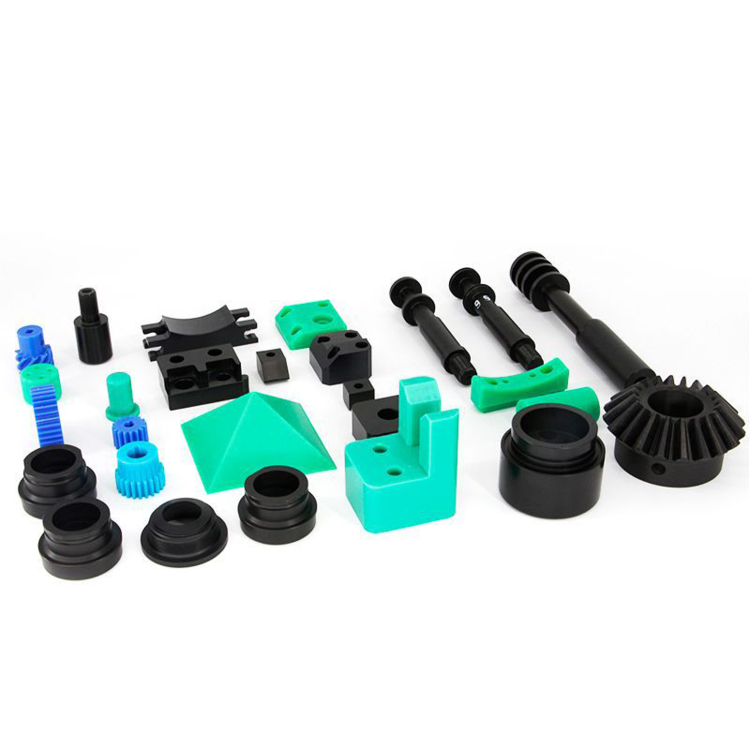
- 3D Printing: This is one of the most well-known rapid prototyping techniques. It involves creating a three-dimensional object by layering materials such as plastic, resin, or metal based on a digital model. 3D printing allows for the creation of complex geometries and is relatively fast and cost-effective for small to medium-sized prototypes.
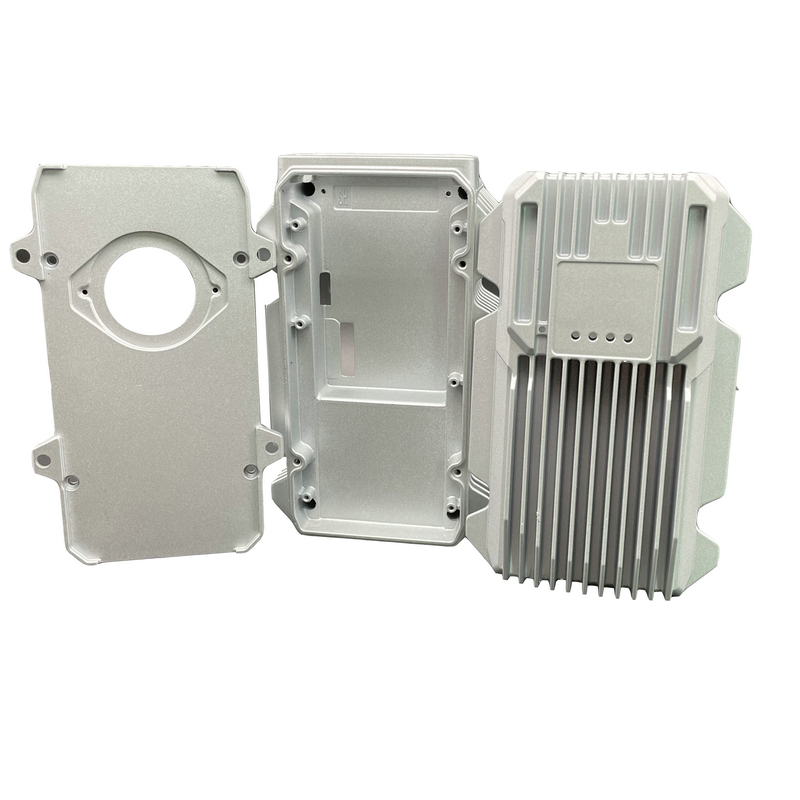
- CNC Machining: Computer Numerical Control (CNC) machining uses computer-controlled tools to remove material from a solid block, such as metal or plastic, to create a prototype. It is suitable for producing high-precision prototypes with smooth surfaces and can handle a variety of materials.
- Rapid Tooling: This method involves creating molds or dies quickly, often using 3D printing or other rapid prototyping techniques, to produce multiple copies of a prototype. It is useful for testing production processes and materials.
Benefits of Rapid Prototyping
Faster Development Cycles
By quickly creating prototypes, teams can identify and address design issues early in the process. This reduces the time spent on rework and iteration, leading to shorter overall development cycles.
Cost Savings
Finding and fixing problems in the prototype stage is much cheaper than making changes to a fully developed product. Rapid prototyping helps to minimize costly mistakes and waste of resources.
Improved Communication
A physical or digital prototype serves as a visual aid that can be easily understood by all stakeholders, including non-technical team members, clients, and investors. It improves communication and ensures that everyone is on the same page regarding the product concept.
Enhanced User Experience
Prototypes allow for user testing, enabling designers to gather feedback on the usability and functionality of the product. This feedback can be used to make improvements, resulting in a better user experience.
Applications of Rapid Prototyping
Product Design
In product design, rapid prototyping helps designers to visualize their ideas, test different design concepts, and make informed decisions. It allows for quick iterations and refinements, leading to a more optimized final product.
Engineering and Manufacturing
Engineers use rapid prototyping to test the functionality of components and systems. It helps in validating design specifications, optimizing performance, and reducing the risk of failures in the production stage.
Healthcare
In the healthcare industry, rapid prototyping is used to create custom medical devices, prosthetics, and implants. It enables the production of patient-specific solutions that fit better and provide improved functionality.
Education
Rapid prototyping is a valuable tool in education, allowing students to bring their ideas to life. It promotes hands-on learning, creativity, and problem-solving skills.
Conclusion
Rapid prototyping has revolutionized the product development process by enabling faster, more efficient, and cost-effective creation of prototypes. It has become an essential tool for designers, engineers, and innovators across various industries. By leveraging the power of rapid prototyping, teams can turn ideas into reality more quickly and with greater confidence.
What is Metal Forging?
What Does EDM Stand for in Machining?
Related Article

Fast sampling is the fastest way to win business in the hardware machining and plastic mold industries. Customers want a working sample in days, and a 3D printer delivers it, but only when you know how to print in 3d correctly.
how to print in 3d

Fast sampling is the fastest way to win business in the hardware machining and plastic mold industries. Customers often send an STL file and expect a working sample in days.
how to print an stl file

