
What is Precision Machining?
Author: SZTC
2025-04-14
Introduction
In the world of manufacturing, precision machining plays a crucial role. It is a process that involves creating parts and components with extremely tight tolerances, often measured in micrometers. This high level of accuracy is essential for various industries, from aerospace to medical devices.
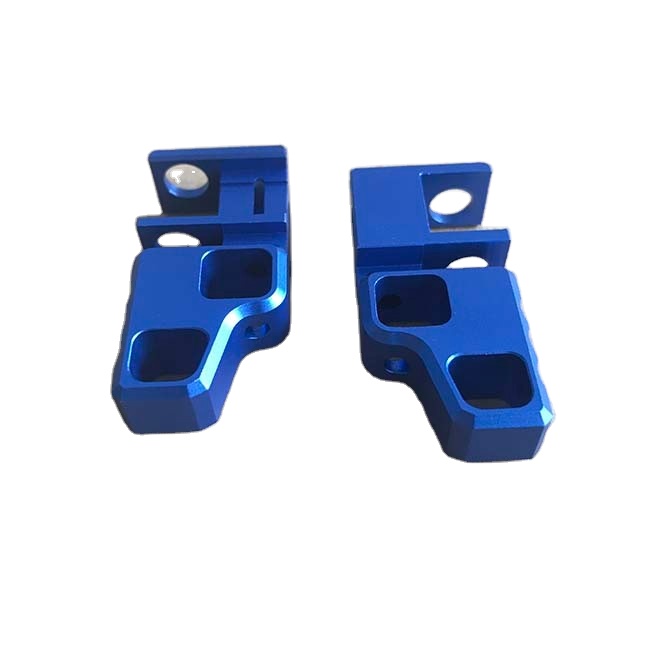
The Basics
Precision machining refers to the use of specialized tools and techniques to shape and finish materials to a very high degree of accuracy. It involves removing material from a workpiece in a controlled manner to achieve the desired dimensions, surface finish, and geometric features.
Tolerance Levels
One of the key aspects of precision machining is the ability to maintain tight tolerances. Tolerances in precision machining can be as low as ±0.001 inches or even less. This means that the final part must fall within a very narrow range of the specified dimensions.
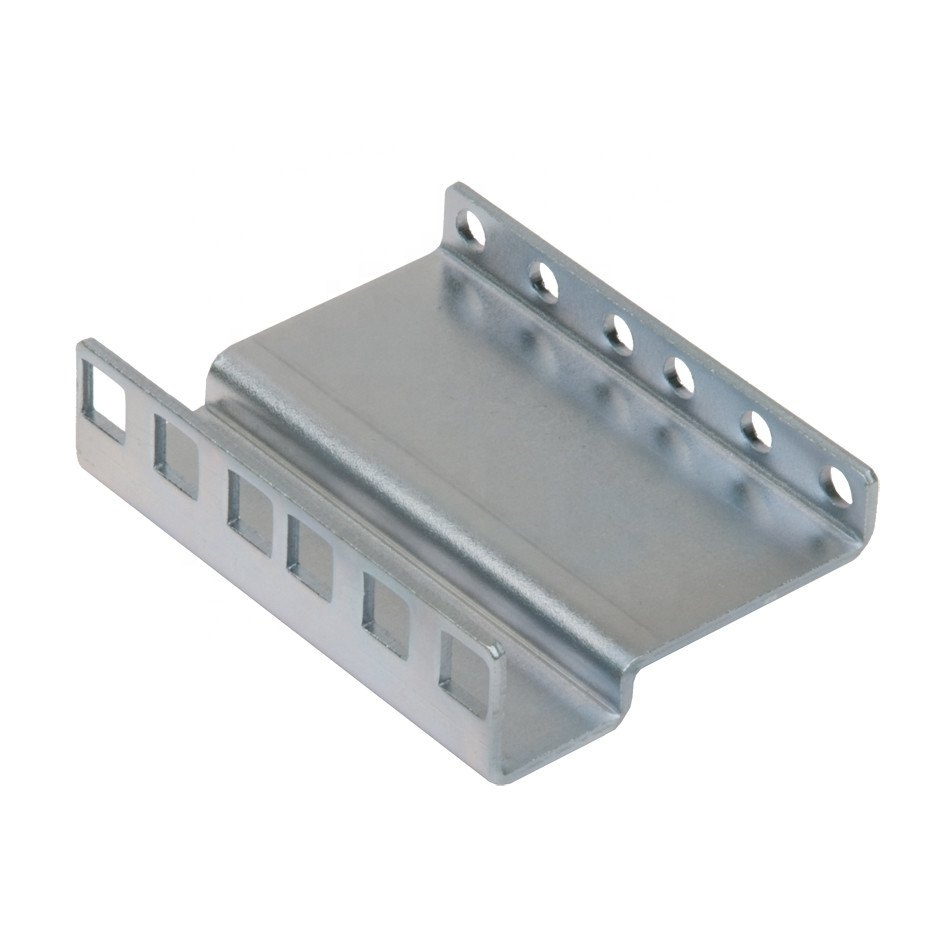
Turning
Turning is a common precision machining process where a workpiece is rotated while a cutting tool removes material to create a cylindrical shape. It can be used to produce parts such as shafts, bushings, and valves.
Milling
Milling involves using a rotating cutting tool to remove material from a workpiece. It can create a variety of shapes, including slots, pockets, and complex 3D geometries. Precision milling machines are capable of achieving high levels of accuracy.
Grinding
Grinding is a finishing process that uses an abrasive wheel to remove small amounts of material from the surface of a workpiece. It is often used to improve the surface finish and dimensional accuracy of parts.
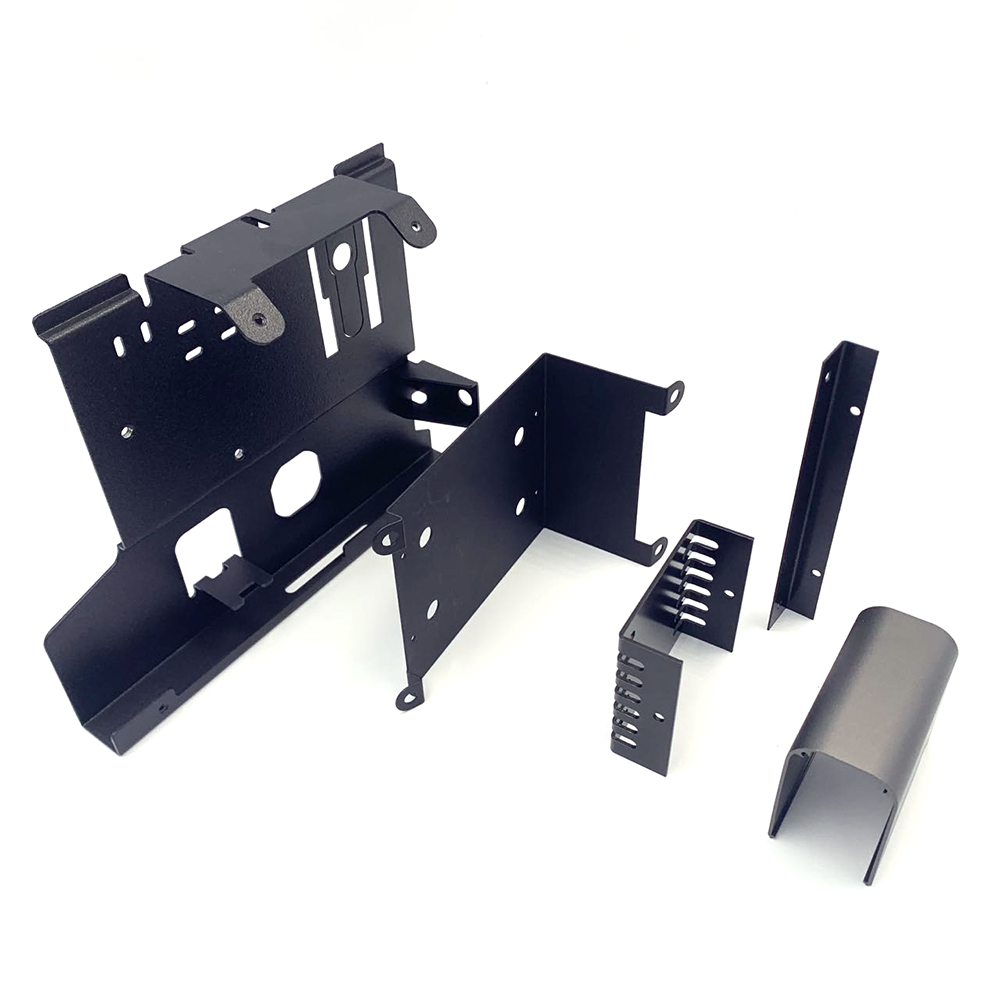
High - Performance Products
In industries like aerospace and automotive, precision machining is essential for producing high - performance products. For example, aircraft engines require parts with extremely tight tolerances to ensure efficient operation and safety.
Medical Applications
In the medical field, precision machining is used to create implants, surgical instruments, and other medical devices. The high level of accuracy ensures the proper fit and function of these devices in the human body.
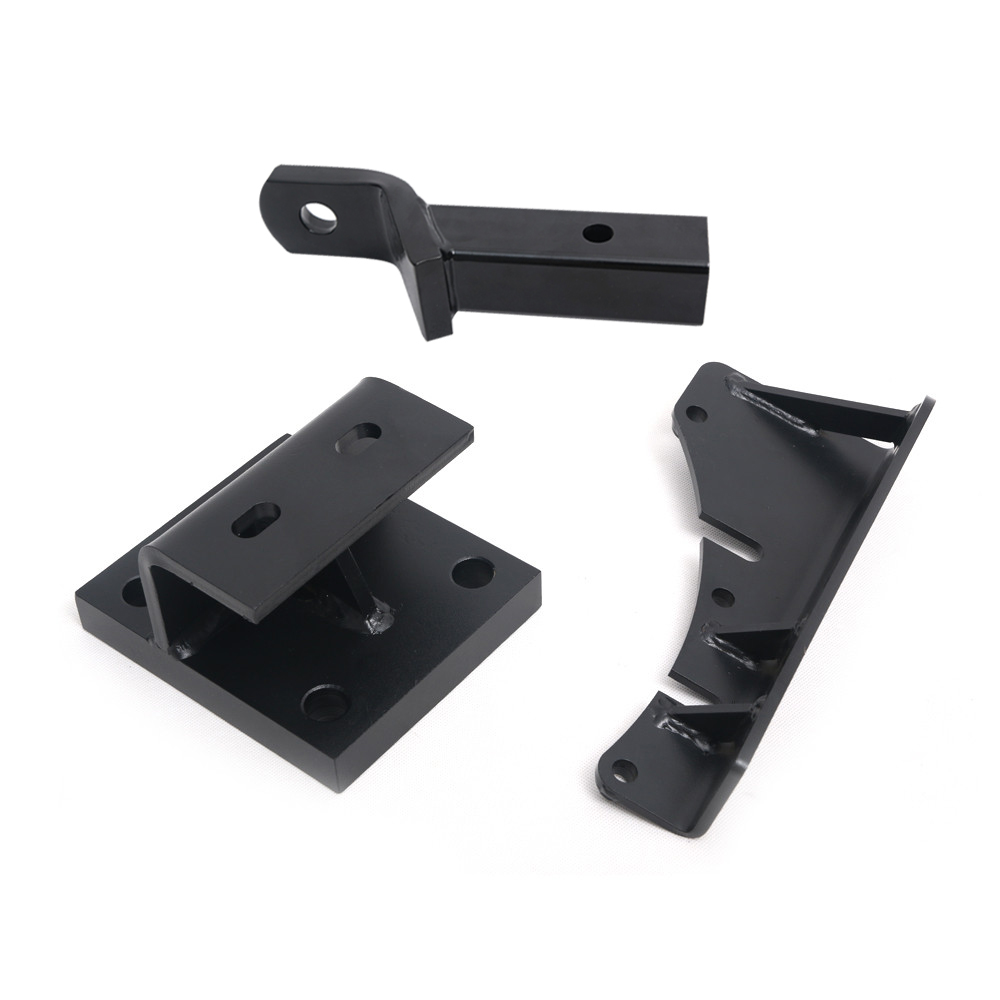
Tool Wear
The use of high - speed cutting tools and the need for precise cuts can lead to rapid tool wear. This requires careful selection of cutting tools and regular monitoring and replacement.
Environmental Factors
Temperature, humidity, and vibration can all affect the accuracy of precision machining processes. Manufacturers must take steps to control these environmental factors to ensure consistent results.

Future Trends in Precision Machining
Automation and Robotics
The use of automation and robotics in precision machining is increasing. This allows for greater efficiency, higher productivity, and improved quality control.
Advanced Materials
As new materials are developed, precision machining techniques will need to adapt. For example, machining advanced composites and superalloys requires specialized tools and processes.

Precision machining is a vital part of modern manufacturing. Its ability to produce parts with high accuracy and tight tolerances is essential for a wide range of industries. As technology continues to advance, precision machining will only become more important and sophisticated.
What is Injection Molding? A Comprehensive Guide
What is Sheet Metal Fabrication: A Closer Look
Related Article

Fast sampling is the fastest way to win business in the hardware machining and plastic mold industries. Customers want a working sample in days, and a 3D printer delivers it, but only when you know how to print in 3d correctly.
how to print in 3d

Fast sampling is the fastest way to win business in the hardware machining and plastic mold industries. Customers often send an STL file and expect a working sample in days.
how to print an stl file

