
What is Metal Fabrication: Unveiling the Process
Author: SZTC
2025-04-12
Introduction
Metal fabrication is a fundamental process in the manufacturing world. It plays a crucial role in creating a wide range of products that we encounter in our daily lives, from the simplest household items to complex industrial machinery. But what exactly is metal fabrication? Let's delve deeper into this essential manufacturing process.
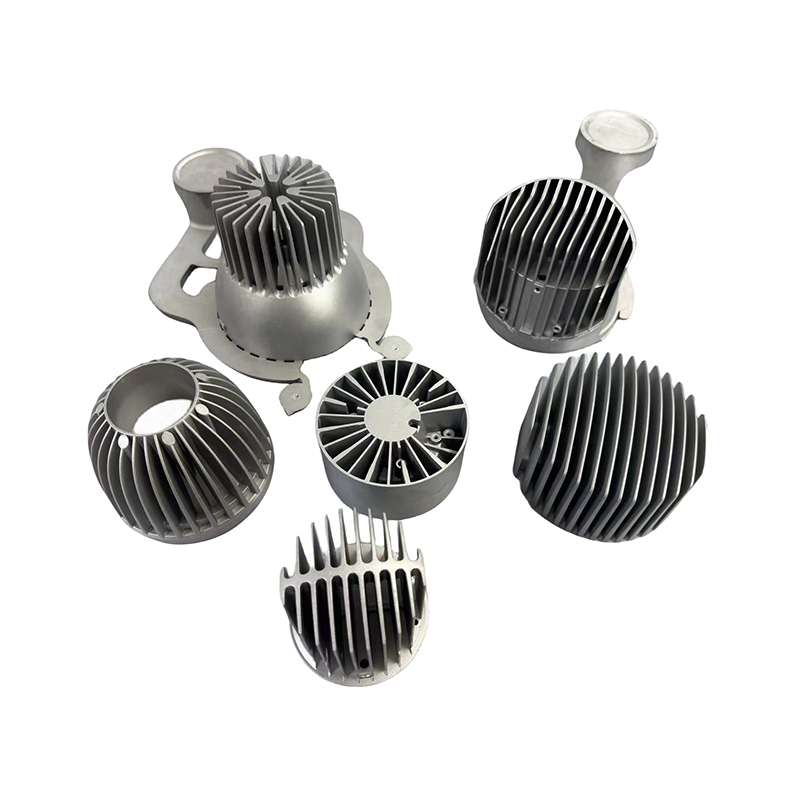
The Basics
Metal fabrication is the creation of metal structures by cutting, bending, and assembling metal materials. It involves transforming raw metal materials, such as sheets, bars, and tubes, into finished products through a series of mechanical and chemical processes. These processes are carefully planned and executed to meet specific design requirements and quality standards.
The Materials Involved
Common metals used in fabrication include steel, aluminum, copper, and brass. Steel is widely favored for its strength and durability, making it ideal for applications like construction and automotive manufacturing. Aluminum, on the other hand, is lightweight and corrosion - resistant, often used in aerospace and electronics. Copper and brass are valued for their excellent electrical conductivity and aesthetic appeal, finding use in plumbing fixtures and decorative items.
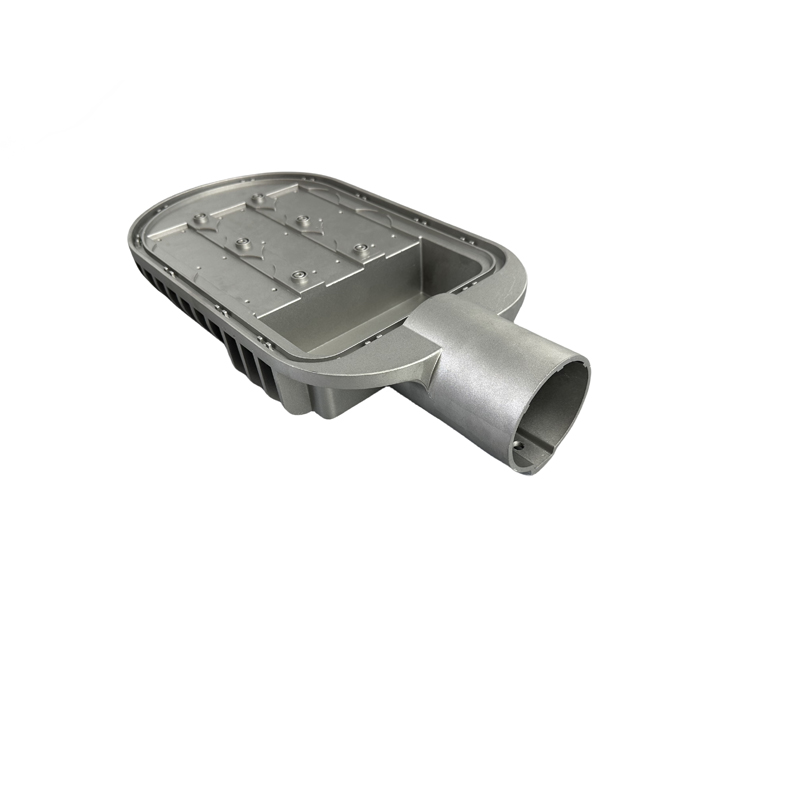
Cutting
- Mechanical Cutting
- Shearing: This process uses a machine with sharp blades to cut metal sheets. It is a fast and efficient way to cut large volumes of metal, often used in industries like sheet metalworking. For example, in the production of metal enclosures for electrical equipment, shearing is used to cut the flat sheets to the required sizes.
- Sawing: Circular saws or band saws are used to cut metal bars or tubes. The type of saw blade and cutting speed are carefully selected based on the type and thickness of the metal. In a metalworking shop that manufactures custom - made metal furniture, sawing is used to cut the metal tubing for chair and table frames.
- Thermal Cutting
- Oxy - Fuel Cutting: This method uses a mixture of oxygen and fuel gas to heat the metal to its ignition point and then blows oxygen onto the metal to burn it away. It is commonly used for cutting thick steel plates in the construction and shipbuilding industries.
- Plasma Cutting: Plasma cutting uses a high - velocity jet of ionized gas (plasma) to melt and blow away the metal. It offers high - precision cutting and can be used on a variety of metals, including stainless steel and aluminum. Plasma cutting is often used in the fabrication of decorative metal art pieces.
Bending
- Press Braking
A press brake is used to bend metal sheets or plates. The operator places the metal between a punch and a die, and the press brake applies pressure to bend the metal at a specific angle. Press braking is used to create components like metal brackets for shelving units or the sides of metal cabinets.
- Roll Bending
Roll bending machines are used to bend metal sheets or plates into curved shapes. The metal is passed through a series of rolls that gradually shape it into the desired curve. This process is commonly used in the production of cylindrical tanks and pipes.
Assembling
- Welding
- Arc Welding: This is one of the most common welding methods. It uses an electric arc between an electrode and the metal pieces to be joined, melting the metal at the joint. Shielded Metal Arc Welding (SMAW) and Gas Metal Arc Welding (GMAW) are popular arc - welding processes. In the construction of steel bridges, arc welding is used to join the large steel beams.
- Resistance Welding: Resistance welding uses the heat generated by the resistance of the metal to an electric current to weld two or more metal pieces together. Spot welding, which is a type of resistance welding, is commonly used in the automotive industry to join metal parts in car bodies.
- Fastening
Fastening involves using mechanical fasteners such as bolts, nuts, and screws to hold metal parts together. This method allows for easy disassembly and reassembly, which is useful in applications where maintenance or modification is required. In the assembly of machinery, fastening is often used to attach different components.

Applications of Metal Fabrication
Construction
Metal fabrication is integral to the construction industry. Steel structures, such as building frames, bridges, and staircases, are fabricated to precise specifications. The strength and durability of fabricated metal components ensure the safety and longevity of buildings and infrastructure.
Automotive
In the automotive industry, metal fabrication is used to create car bodies, engine parts, and chassis components. The use of lightweight yet strong fabricated metal parts helps improve fuel efficiency and vehicle performance.
Aerospace
Aerospace components, such as aircraft frames and engine parts, are fabricated with high - precision and using advanced materials. Metal fabrication in this industry requires strict quality control to meet the demanding safety and performance standards of aerospace engineering.

Metal fabrication is a diverse and essential process that combines artistry and engineering. From the initial design concept to the final assembled product, the various processes involved in metal fabrication work together to create the metal - based products that form the backbone of modern society. Whether it's in construction, automotive manufacturing, or aerospace, metal fabrication continues to drive innovation and progress.
What is Sheet Metal Fabrication: A Closer Look
How Many Axes in CNC Machine: A Comprehensive Guide
Related Article

Fast sampling is the fastest way to win business in the hardware machining and plastic mold industries. Customers want a working sample in days, and a 3D printer delivers it, but only when you know how to print in 3d correctly.
how to print in 3d

Fast sampling is the fastest way to win business in the hardware machining and plastic mold industries. Customers often send an STL file and expect a working sample in days.
how to print an stl file

