
What is Injection Molding? A Comprehensive Guide
Author: SZTC
2025-04-14
Introduction
In the world of manufacturing, injection molding stands out as a highly efficient and versatile process. It plays a crucial role in producing a vast array of plastic products that we encounter in our daily lives. From the small plastic parts in our electronics to the large components of automotive interiors, injection molding is the go-to method for mass - producing plastic items with precision and consistency.
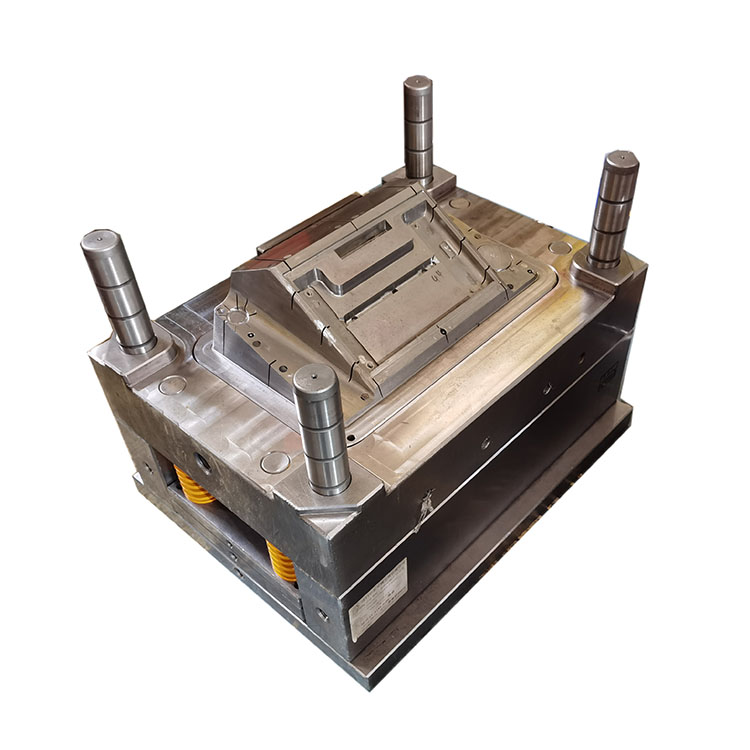
Definition
Injection molding is a manufacturing process in which molten material, typically plastic, is injected under high pressure into a mold cavity. Once the material cools and solidifies within the mold, the mold is opened, and the finished part is ejected. This process allows for the creation of complex - shaped parts with high dimensional accuracy and repeatability.
Basic Components
- Injection Machine: This is the heart of the injection molding system. It consists of a hopper where the raw material (usually in pellet form) is loaded, a barrel where the material is melted, and an injection unit that forces the molten material into the mold.
- Mold: The mold is a custom - designed tool that determines the shape of the final product. It is made up of two halves - a stationary half (the cavity) and a moving half (the core). When the two halves are closed, they form a cavity in the shape of the desired part.
How Injection Molding Works
Material Preparation
- Feeding the Hopper: Plastic pellets are poured into the hopper of the injection machine. The type of plastic used depends on the requirements of the final product, such as its strength, flexibility, and heat resistance. Common plastics used in injection molding include polyethylene, polypropylene, and ABS.
- Melting the Material: As the pellets move down the barrel of the injection machine, they are heated by electrical heaters. The barrel also contains a screw that rotates, mixing and pushing the plastic forward. The rotation of the screw helps in melting the plastic evenly and creating the necessary pressure for injection.
Injection Phase
- Filling the Mold: Once the plastic is molten, the screw moves forward, forcing the molten plastic through a nozzle and into the mold cavity. The high - pressure injection ensures that the plastic fills every detail of the mold cavity quickly and completely.
- Packing and Holding: After the mold is filled, additional pressure is applied to compensate for the shrinkage of the plastic as it cools. This is known as the packing and holding phase. The amount of pressure and the duration of this phase are carefully controlled to ensure the quality of the final part.
Cooling and Ejection
- Cooling the Part: Once the packing and holding are complete, the mold remains closed while the plastic part cools and solidifies. This cooling process is crucial as it determines the dimensional stability and mechanical properties of the part. Cooling channels within the mold are used to circulate a coolant, such as water, to speed up the cooling process.
- Ejecting the Part: After the part has cooled sufficiently, the mold opens, and the ejector system, which consists of pins or plates, pushes the finished part out of the mold. The part is then ready for further processing, such as trimming, painting, or assembly.
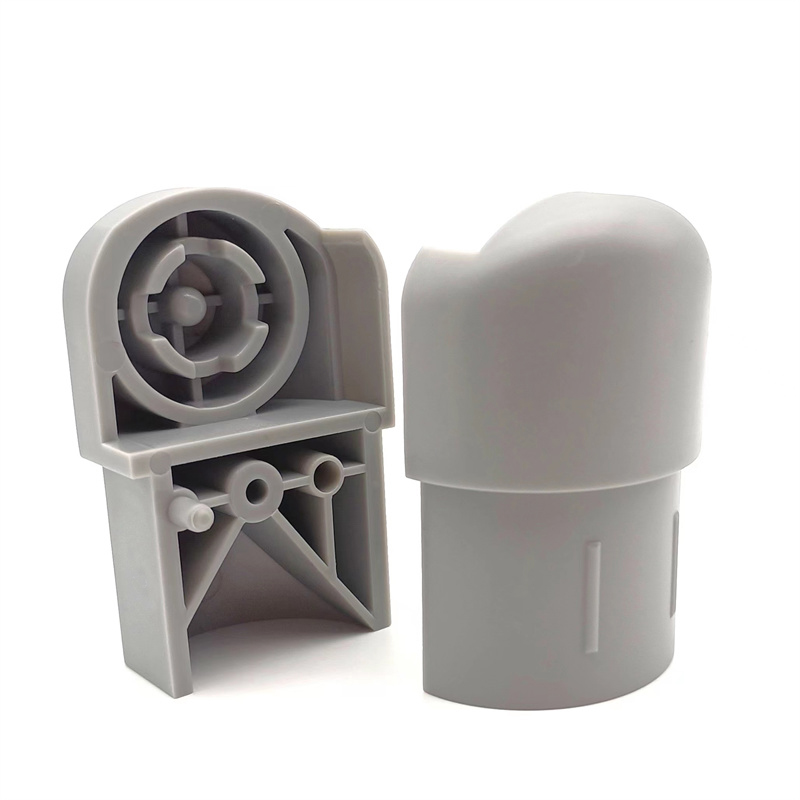
Applications of Injection Molding
Automotive Industry
- Interior Components: Injection molding is widely used to produce automotive interior parts like dashboard components, door panels, and seat frames. These parts need to be lightweight yet strong, and injection - molded plastics can meet these requirements while also offering design flexibility.
- Exterior Parts: Parts such as bumpers, side mirrors, and body panels are also often made through injection molding. The ability to create large, complex - shaped parts with consistent quality makes injection molding ideal for automotive exterior applications.
Consumer Goods
- Electronics: From the cases of smartphones and tablets to the keyboards of laptops, injection - molded plastics are everywhere in the electronics industry. The high precision of injection molding ensures a perfect fit for components and provides protection for delicate electronic parts.
- Household Items: Everyday household items like plastic utensils, storage containers, and toys are commonly produced using injection molding. The process allows for cost - effective mass production of these items in a variety of colors and designs.
Medical Field
- Disposable Medical Devices: Syringes, IV connectors, and test tubes are some of the many disposable medical devices made through injection molding. The ability to produce sterile, high - quality parts in large quantities is essential in the medical industry, and injection molding meets these needs.
- Implantable Devices: Some implantable medical devices, such as certain types of orthopedic implants, also have components that are injection - molded. The biocompatible plastics used in these applications must meet strict regulatory requirements, and injection molding provides the precision and consistency needed for such critical products.

Conclusion
Injection molding is a remarkable manufacturing process that has revolutionized the production of plastic products. Its ability to create complex, high - quality parts in large quantities makes it an essential part of many industries. As technology continues to advance, injection molding is likely to become even more efficient and precise, enabling the creation of new and innovative products that will further enhance our lives.
What is Plastic Injection Molding?
What is Precision Machining?
Related Article

Fast sampling is the fastest way to win business in the hardware machining and plastic mold industries. Customers want a working sample in days, and a 3D printer delivers it, but only when you know how to print in 3d correctly.
how to print in 3d

Fast sampling is the fastest way to win business in the hardware machining and plastic mold industries. Customers often send an STL file and expect a working sample in days.
how to print an stl file

