
What is Extruded Aluminum? A Comprehensive Guide
Author: SZTC
2025-03-25
Aluminum is one of the most versatile and widely used metals in the world, and extruded aluminum products play a crucial role in various industries. In this blog post, we'll explore what exactly extruded aluminum is, how it's made, its properties, and its numerous applications.
Understanding the Extrusion Process
Extrusion is a manufacturing process where a material (in this case, aluminum) is forced through a die of a specific cross - sectional shape. This process allows for the creation of complex and precise shapes that are difficult or impossible to achieve with other manufacturing methods. The aluminum, in a semi - molten or plastic state, is pushed through the die using a hydraulic press or a mechanical screw.

Types of Extrusion
- Direct Extrusion
In direct extrusion, the aluminum billet is placed in a container, and a ram pushes the billet through the die. The die is fixed in place, and the extruded product comes out on the other side. This is the most common type of extrusion for aluminum and is suitable for a wide range of shapes and sizes.
- Indirect Extrusion
Indirect extrusion is a bit different. Here, the die moves towards the stationary billet. The advantage of this method is that there is less friction between the billet and the container wall, which can be beneficial for certain alloys and when producing long, thin extrusions.

Properties of Extruded Aluminum
Lightweight
One of the most notable properties of extruded aluminum is its low density. Aluminum is much lighter than many other metals, such as steel. This makes extruded aluminum products ideal for applications where weight is a critical factor, like in the aerospace industry. For example, airplane frames made from extruded aluminum components help to reduce the overall weight of the aircraft, leading to better fuel efficiency.

High Strength - to - Weight Ratio
Despite being lightweight, extruded aluminum can have a relatively high strength. By alloying aluminum with other elements like copper, magnesium, or zinc, the strength of the material can be significantly enhanced. This high strength - to - weight ratio makes it suitable for applications that require both strength and low weight, such as in automotive parts like engine blocks and suspension components.

Corrosion Resistance
Aluminum naturally forms a thin oxide layer on its surface when exposed to air. This oxide layer acts as a protective barrier, preventing further corrosion. Extruded aluminum products are highly resistant to corrosion, which makes them suitable for outdoor applications, such as window frames, door frames, and architectural facades. Even in harsh environments with high humidity or exposure to chemicals, extruded aluminum can maintain its integrity for long periods.
Good Thermal Conductivity
Extruded aluminum has excellent thermal conductivity. This property makes it useful in applications where heat needs to be dissipated efficiently. For instance, heat sinks in electronic devices are often made from extruded aluminum. The aluminum can quickly absorb heat from the electronic components and transfer it to the surrounding environment, helping to keep the components cool and functioning properly.
Ductility
Aluminum is a ductile metal, which means it can be easily drawn into wires or shaped through the extrusion process. This ductility allows for the creation of complex shapes with thin walls and precise dimensions. It also enables the material to be bent or formed during further manufacturing processes without cracking.
Applications of Extruded Aluminum
Aerospace Industry
In the aerospace industry, extruded aluminum is used extensively. Airplane wings, fuselages, and landing gear components are often made from extruded aluminum alloys. The lightweight nature of aluminum helps to reduce the weight of the aircraft, which in turn reduces fuel consumption and increases the range of the plane. The high strength - to - weight ratio ensures that the components can withstand the extreme forces experienced during flight.
Automotive Industry
Extruded aluminum plays a vital role in the automotive industry as well. It is used in the production of engine blocks, transmission cases, and suspension components. Aluminum engine blocks are lighter than their cast - iron counterparts, which improves the vehicle's fuel efficiency. Additionally, extruded aluminum is used for creating decorative trim, such as window surrounds and door handles, due to its corrosion resistance and ability to be formed into attractive shapes.
Construction Industry
The construction industry makes wide use of extruded aluminum. Window and door frames made from extruded aluminum are popular due to their corrosion resistance, lightweight, and aesthetic appeal. Aluminum curtain walls are also commonly used in modern architecture to create a sleek and modern look. Extruded aluminum is also used for structural components in some buildings, such as beams and columns, especially in areas where weight reduction is important.
Electronics Industry
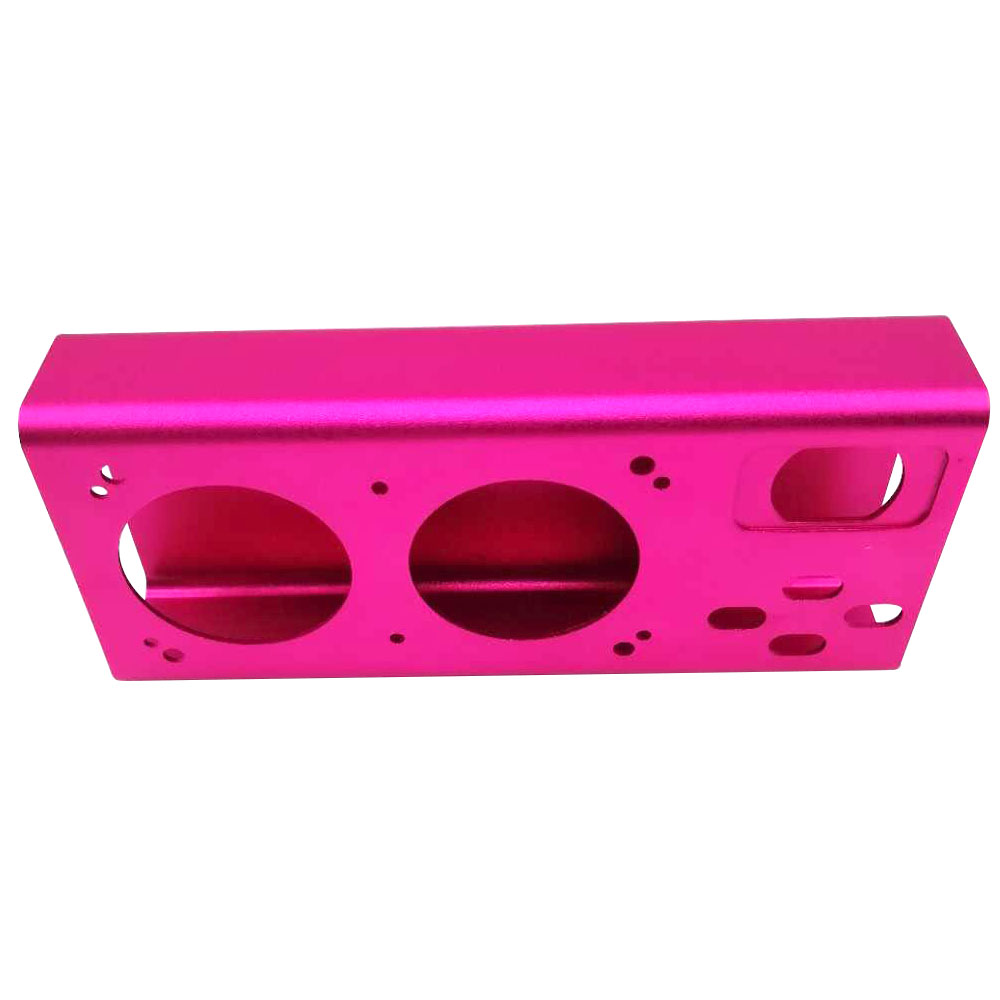
In the electronics industry, extruded aluminum is used for heat sinks, as mentioned earlier. Heat sinks are essential for dissipating heat generated by electronic components like CPUs, GPUs, and power transistors. The good thermal conductivity of aluminum allows for efficient heat transfer, which helps to prevent overheating and ensures the reliable operation of electronic devices. Additionally, aluminum enclosures for electronic equipment are often made through extrusion, providing a lightweight and durable housing solution.
Consumer Goods
Extruded aluminum is found in many consumer goods. For example, bicycle frames are often made from extruded aluminum alloys. The lightweight nature of the material makes the bicycles easier to handle and more efficient to ride. Aluminum furniture, such as chairs and tables, is also popular due to its durability, corrosion resistance, and modern appearance. Even items like beverage cans are made from aluminum, which is first processed into thin sheets through an extrusion - related process.
In conclusion, extruded aluminum is a remarkable material with a wide range of properties that make it suitable for countless applications across various industries. Whether it's in the sky, on the road, in our buildings, or in the electronics we use every day, extruded aluminum is an integral part of our modern lives.
What Does Diecast Mean? A Comprehensive Look
What Are Extruders? A Comprehensive Guide
Related Article

Fast sampling is the fastest way to win business in the hardware machining and plastic mold industries. Customers want a working sample in days, and a 3D printer delivers it, but only when you know how to print in 3d correctly.
how to print in 3d

Fast sampling is the fastest way to win business in the hardware machining and plastic mold industries. Customers often send an STL file and expect a working sample in days.
how to print an stl file

