
What is Die Cast Metal?
Author: SZTC
2025-03-18
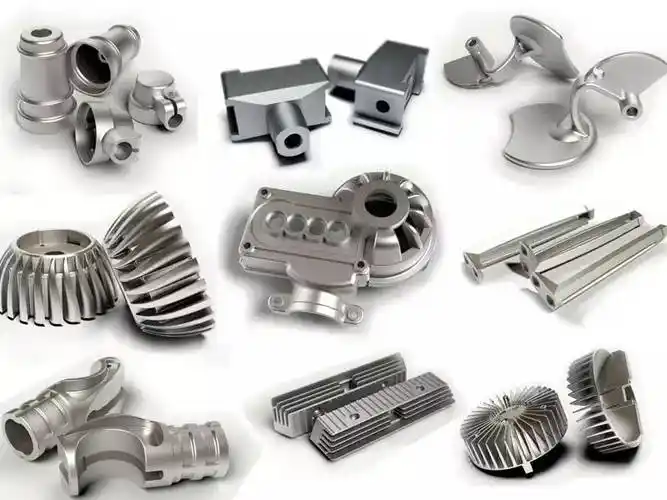
In the world of manufacturing, die cast metal plays a crucial role, yet many might not be fully aware of what it truly is. Die cast metal is a process where molten metal is forced under high pressure into a mold cavity, known as a die. This die is typically made from tool steel and has a precisely engineered shape that will be replicated in the final metal product.
The Die Casting Process
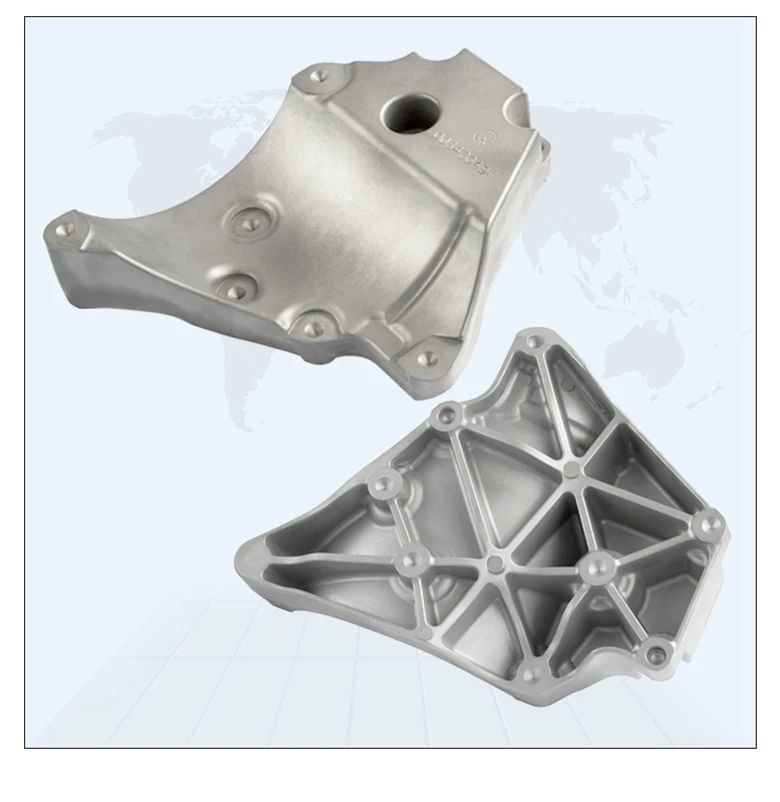
The process begins with the creation of the die. Dies are custom-made to produce specific parts and are designed to withstand the high pressures and temperatures involved in die casting. Once the die is ready, the molten metal, which can be various alloys such as zinc, aluminum, magnesium, or copper-based alloys, is poured into the injection chamber of the die-casting machine. The machine then uses a piston to force the molten metal into the die cavity at extremely high pressures, often ranging from 10 to 1000 megapascals. This high pressure ensures that the molten metal fills every intricate detail of the die, resulting in a highly accurate and detailed cast part.

Types of Die Cast Metals

-
Zinc Alloys: Zinc is a popular choice for die casting due to its low melting point, which makes it easier to work with. Zinc die castings offer excellent dimensional stability, high strength, and good surface finish. They are commonly used in applications such as automotive parts, hardware, and electrical components.
-
Aluminum Alloys: Aluminum die castings are lightweight yet strong. They have good corrosion resistance and thermal conductivity. Aluminum is widely used in the automotive industry for engine blocks, cylinder heads, and transmission cases, as well as in aerospace applications where weight reduction is crucial.
-
Magnesium Alloys: Magnesium is the lightest structural metal, making it ideal for applications where weight savings are a priority. Magnesium die castings have good mechanical properties and are used in products like laptop casings, power tools, and automotive interior components.
-
Copper-based Alloys: Copper alloys such as brass and bronze are used for die casting in applications that require high corrosion resistance, electrical conductivity, and wear resistance. These alloys are often found in plumbing fixtures, electrical connectors, and musical instruments.
Applications of Die Cast Metal
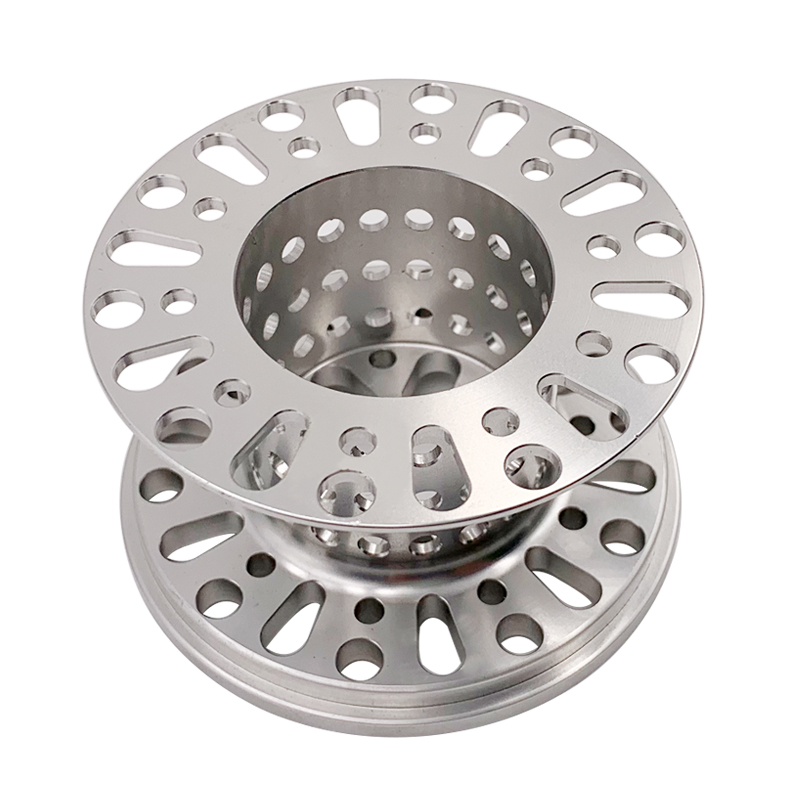
Die cast metal parts are found in a wide range of industries. In the automotive industry, die casting is used to produce engine components, chassis parts, and decorative trim. The aerospace industry relies on die cast aluminum and magnesium parts for their lightweight properties. In consumer electronics, die cast metal is used for casings and heat sinks. The toy industry also makes extensive use of die cast metal for creating durable and detailed toy vehicles and figures.
In conclusion, die cast metal is a versatile and efficient manufacturing process that enables the production of high-quality, complex metal parts with precision and consistency. Its wide range of applications and the ability to work with different metal alloys make it an essential part of modern manufacturing.
What Does Die Cast Mean?
what is diecast metal?
Related Article

Fast sampling is the fastest way to win business in the hardware machining and plastic mold industries. Customers want a working sample in days, and a 3D printer delivers it, but only when you know how to print in 3d correctly.
how to print in 3d

Fast sampling is the fastest way to win business in the hardware machining and plastic mold industries. Customers often send an STL file and expect a working sample in days.
how to print an stl file

