
What is Die Cast Aluminum?
Author: SZTC
2025-03-26
In the world of manufacturing and metalworking, die cast aluminum has emerged as a popular and versatile material. But what exactly is die cast aluminum? Let's dive in and explore.
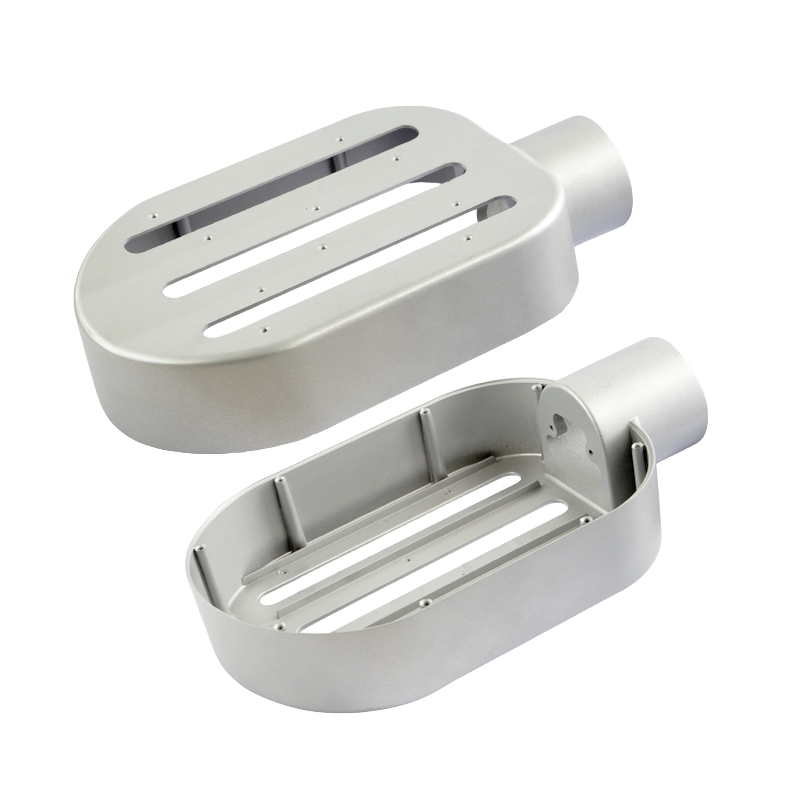
Definition
Die cast aluminum refers to a process where molten aluminum is forced under high pressure into a mold cavity, known as a die. This die is typically made of steel and is designed to create a specific shape. Once the aluminum solidifies within the die, the die is opened, and the newly formed part is ejected. The result is a precise, high-quality aluminum component with complex shapes and fine details.

The Die Casting Process
- Mold Preparation: The die, which consists of two or more parts, is carefully prepared. These parts fit together to form the cavity that will shape the aluminum. Lubricants are applied to the die surfaces to ensure smooth ejection of the cast part and to protect the die from the high temperatures of the molten metal.
- Melting the Aluminum: Aluminum alloys are heated until they reach a molten state. Common aluminum alloys used in die casting include those with added elements like silicon, copper, magnesium, and zinc. These alloying elements enhance the properties of the aluminum, such as strength, hardness, and castability.
- Injection: The molten aluminum is then injected into the die cavity at high pressure. This pressure forces the metal to fill every nook and cranny of the die, replicating the intricate details of the mold. The pressure is maintained until the aluminum solidifies completely.
- Ejection: After solidification, the die is opened, and the cast aluminum part is ejected. Any excess material, such as gates and runners (the channels through which the molten metal entered the die), is removed from the part.

Properties of Die Cast Aluminum
- Lightweight: Aluminum is known for its low density, making die cast aluminum parts significantly lighter compared to those made from heavier metals like iron or steel. This property is highly beneficial in industries such as automotive and aerospace, where reducing weight can improve fuel efficiency and performance.
- High Strength-to-Weight Ratio: Despite its light weight, die cast aluminum can offer excellent strength. The alloying elements and the die casting process contribute to its ability to withstand substantial loads and stresses.
- Good Dimensional Accuracy: Die casting allows for the production of parts with tight tolerances. This means that the final products can be highly precise in terms of their shape and size, reducing the need for additional machining in many cases.
- Corrosion Resistance: Aluminum naturally forms a thin oxide layer on its surface when exposed to air. This oxide layer acts as a protective barrier, making die cast aluminum resistant to corrosion. This property makes it suitable for use in outdoor applications and in environments where moisture or chemicals are present.
- Good Thermal Conductivity: Aluminum is an excellent conductor of heat. Die cast aluminum parts can effectively dissipate heat, which is crucial in applications such as heat sinks for electronic devices.
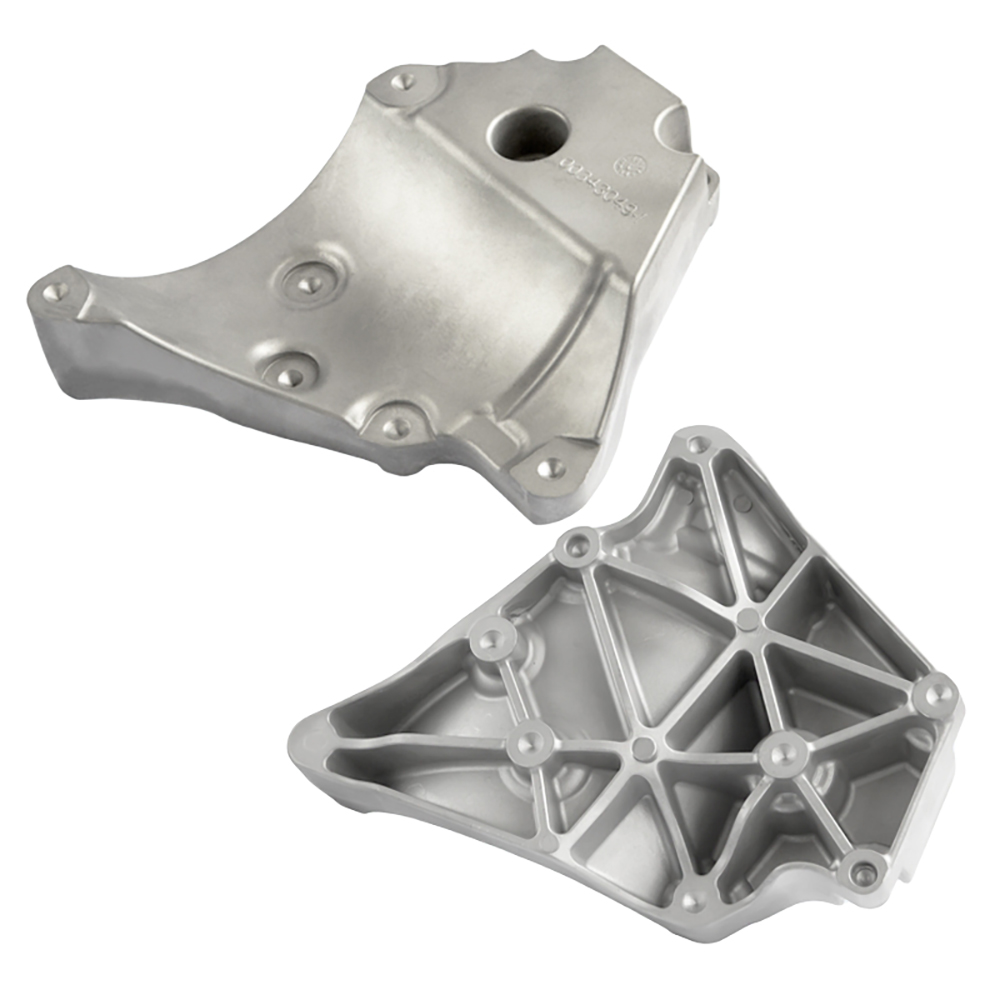
Applications of Die Cast Aluminum
- Automotive Industry: Die cast aluminum is widely used in automotive manufacturing. Components such as engine blocks, cylinder heads, transmission housings, and wheels are often made from die cast aluminum. Its lightweight nature helps to reduce the overall weight of the vehicle, leading to better fuel economy and lower emissions.
- Electronics: In the electronics industry, die cast aluminum is used to make enclosures for various devices. The material's corrosion resistance and ability to dissipate heat make it ideal for protecting sensitive electronic components. Heat sinks made of die cast aluminum are also essential for cooling computer processors, power supplies, and other high - heat - generating components.
- Aerospace: The aerospace industry takes advantage of die cast aluminum's lightweight and high strength - to - weight ratio. Parts such as aircraft engine components, wing structures, and interior fittings are often made from die cast aluminum to reduce the weight of the aircraft and improve its performance.
- Consumer Goods: Many consumer products, such as kitchen appliances, power tools, and furniture hardware, incorporate die cast aluminum parts. The material's attractive appearance, durability, and ease of manufacturing make it a popular choice for these applications.
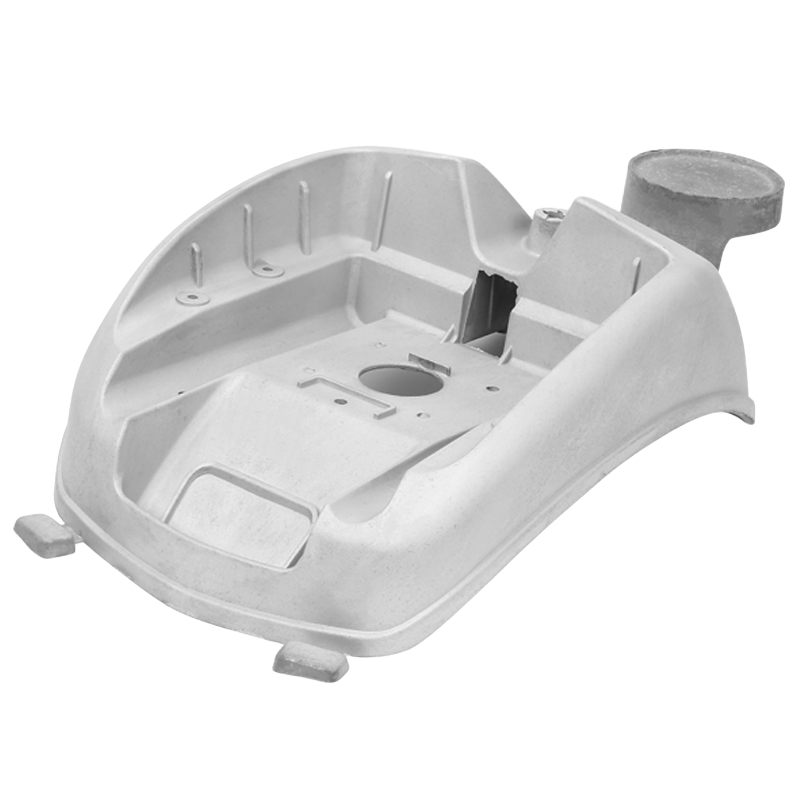
In conclusion, die cast aluminum is a remarkable material with a wide range of applications. Its unique combination of properties, achieved through the die casting process, makes it an essential part of modern manufacturing across multiple industries. Whether it's improving the performance of a car, protecting delicate electronics, or enhancing the design of a consumer product, die cast aluminum continues to play a vital role.
What is CNC Machining? A Comprehensive Guide
What Does Diecast Mean? A Comprehensive Look
Related Article

Fast sampling is the fastest way to win business in the hardware machining and plastic mold industries. Customers want a working sample in days, and a 3D printer delivers it, but only when you know how to print in 3d correctly.
how to print in 3d

Fast sampling is the fastest way to win business in the hardware machining and plastic mold industries. Customers often send an STL file and expect a working sample in days.
how to print an stl file

