
What is CNC? Unraveling the World of Computer Numerical Control
Author: SZTC
2025-03-19
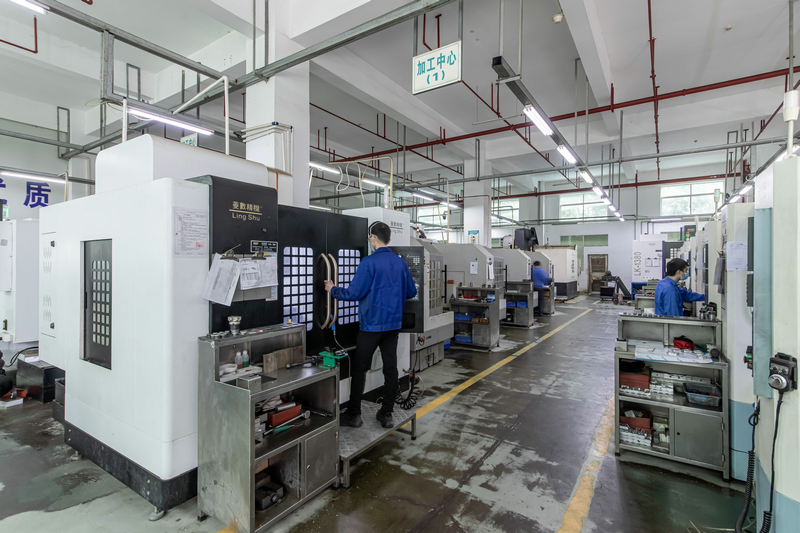
In the dynamic world of modern manufacturing, CNC has emerged as a transformative technology. But what exactly is CNC? Let's delve into the details.
1. The Definition of CNC

CNC stands for Computer Numerical Control. At its essence, it is a method that utilizes computer programs to control the movement of machine tools. Instead of relying on manual operation, CNC systems automate the manufacturing process, allowing for highly precise and repeatable results.
2. How CNC Works
2.1 The Process Flow
The CNC process begins with the creation of a design. Usually, this is done using Computer - Aided Design (CAD) software. The CAD model serves as the blueprint for the part to be manufactured.
Next, Computer - Aided Manufacturing (CAM) software comes into play. CAM software takes the CAD model and converts it into a series of numerical instructions, known as G - code. This G - code contains detailed commands about the movement of the machine's axes, spindle speed, feed rate, and other crucial parameters.
Once the G - code is generated, it is loaded into the CNC machine's controller. The controller reads and interprets these instructions, then sends signals to the machine's motors. These motors are responsible for moving the various components of the machine, such as the cutting tool or the workpiece, in a precise and coordinated manner.
2.2 Key Components in the Working Mechanism
- CNC Controller: This is the brain of the CNC system. It receives the G - code, processes it, and sends out control signals to the motors. There are different types of controllers, each with its own set of features and capabilities.
- Motors: The motors in a CNC machine are what physically move the axes. They can be stepper motors or servo motors. Stepper motors move in discrete steps, while servo motors offer more continuous and precise control.
- Feedback Devices: To ensure accuracy, many CNC machines are equipped with feedback devices like encoders. Encoders measure the position and speed of the axes and send this information back to the controller. The controller can then make real - time adjustments to maintain the desired precision.
3. Types of CNC Machines
3.1 CNC Milling Machines
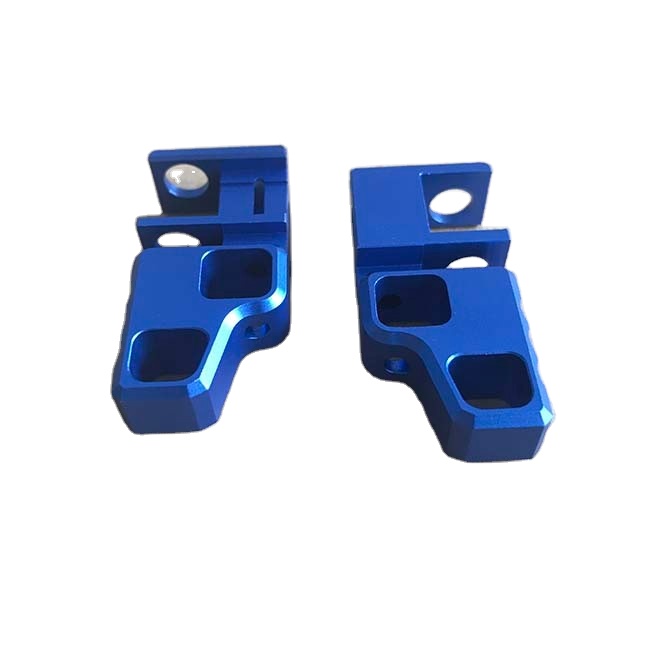
CNC milling machines are one of the most common types. They use rotary cutters to remove material from a workpiece. These machines can create complex 3D shapes and are widely used in industries such as aerospace, where precision parts with intricate geometries are required.
3.2 CNC Lathes
CNC lathes work by rotating the workpiece while a cutting tool is fed into it. They are excellent for producing cylindrical parts, such as shafts and bushings. Lathes can perform operations like turning, facing, threading, and drilling.
3.3 CNC Routers
CNC routers are often used for working with materials like wood, plastic, and foam. They use a rotating cutting tool to shape the material according to the programmed design. CNC routers are popular in the furniture and sign - making industries.
4. Advantages of CNC Technology
4.1 Precision and Accuracy
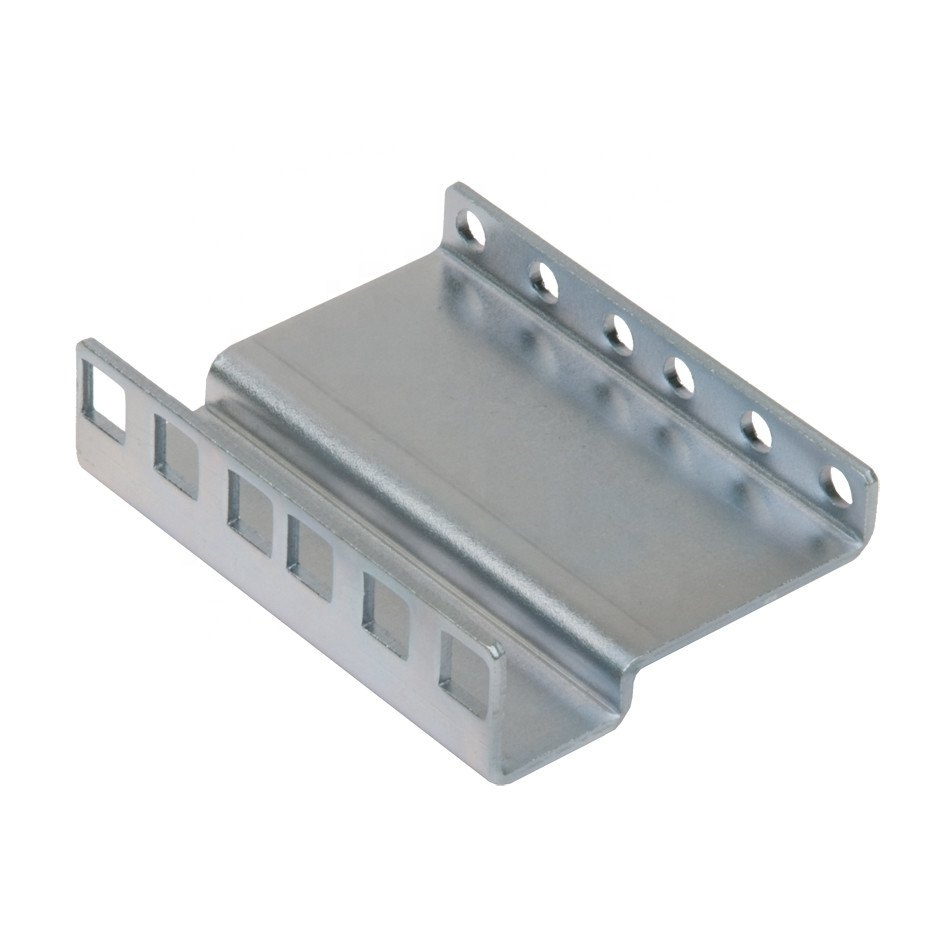
CNC machines can achieve extremely high levels of precision. They can produce parts with tolerances as small as a few thousandths of an inch. This level of accuracy ensures that each part is identical to the next, reducing waste and improving the overall quality of the product.
4.2 Increased Productivity
Since CNC machines can operate continuously, they significantly increase productivity. They can run unattended for long periods, allowing manufacturers to produce more parts in less time. Additionally, the quick changeover between different jobs, thanks to the ease of loading new G - code programs, further boosts productivity.
4.3 Complex Geometries
CNC technology enables the production of parts with complex geometries that would be nearly impossible to create manually. Whether it's a part with intricate curves or multiple angles, CNC machines can execute the necessary movements to shape the material precisely.
In conclusion, CNC is a revolutionary technology that has transformed the manufacturing landscape. Its ability to automate processes, achieve high precision, and handle complex designs makes it an essential tool in modern manufacturing.
What Does CNC Stand For? Unveiling the Power of Computer Numerical Control
What Does Die Cast Mean?
Related Article

Fast sampling is the fastest way to win business in the hardware machining and plastic mold industries. Customers want a working sample in days, and a 3D printer delivers it, but only when you know how to print in 3d correctly.
how to print in 3d

Fast sampling is the fastest way to win business in the hardware machining and plastic mold industries. Customers often send an STL file and expect a working sample in days.
how to print an stl file

