
What is CNC Milling: A Comprehensive Introduction
Author: SZTC
2025-04-16
What is CNC Milling: A Comprehensive Introduction
In the world of modern manufacturing, precision and efficiency are of utmost importance. One technology that has revolutionized the manufacturing process is CNC milling. But what exactly is CNC milling? In this blog post, we will explore the ins and outs of CNC milling, from its basic definition to its wide range of applications.
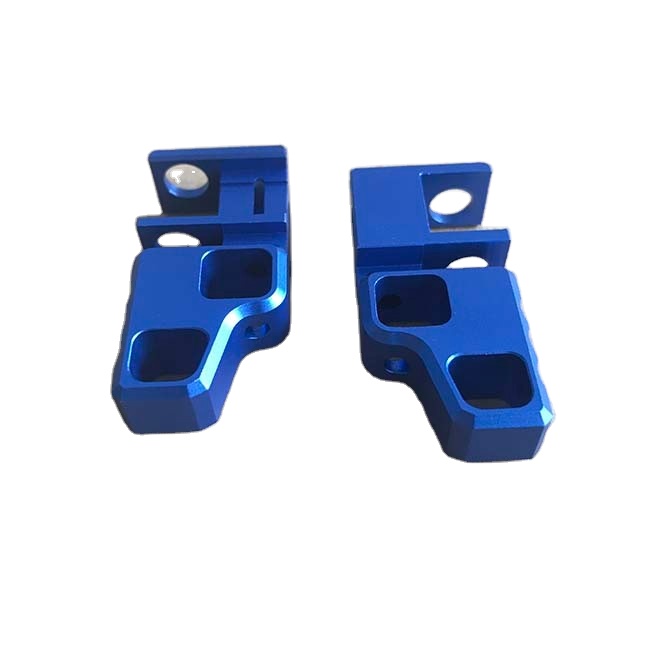
Definition of CNC Milling
CNC milling stands for Computer Numerical Control milling. It is a machining process that uses computer-controlled machine tools to remove material from a workpiece to create a desired shape. Unlike traditional milling, which relies on manual operation, CNC milling allows for highly precise and repeatable machining.
The CNC milling machine is equipped with a spindle that holds a cutting tool. The workpiece is mounted on a worktable, and the cutting tool moves in multiple axes (usually three or more) to remove material from the workpiece. The movement of the cutting tool and the worktable is controlled by a computer program, which allows for precise control over the machining process.
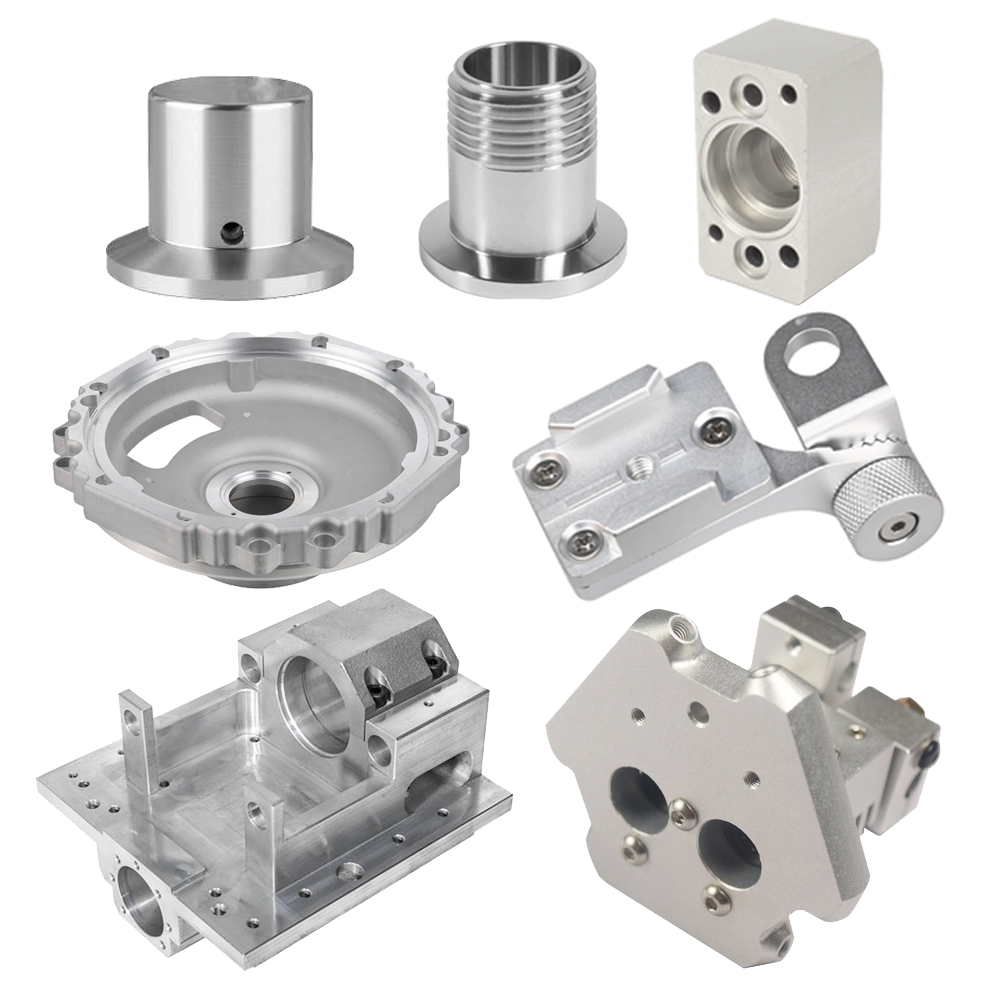
The CNC milling process begins with the creation of a 3D model of the desired part using computer-aided design (CAD) software. The CAD model is then converted into a machine-readable format using computer-aided manufacturing (CAM) software. The CAM software generates a toolpath, which is a set of instructions that tells the CNC milling machine how to move the cutting tool to create the desired shape.
Once the toolpath is generated, it is transferred to the CNC milling machine's controller. The controller reads the toolpath and sends signals to the machine's motors to move the cutting tool and the worktable. The cutting tool rotates at high speeds and removes material from the workpiece as it moves along the toolpath.
During the machining process, the CNC milling machine can also perform other operations, such as drilling, tapping, and threading. These operations are performed using different cutting tools that are mounted on the spindle.

Key Components of a CNC Milling Machine
To understand how CNC milling works, it is important to know the key components of a CNC milling machine. Here are some of the main components:
- Spindle: The spindle is the part of the CNC milling machine that holds the cutting tool. It rotates at high speeds to remove material from the workpiece.
- Worktable: The worktable is the part of the CNC milling machine that holds the workpiece. It can move in multiple axes to allow for precise positioning of the workpiece.
- Controller: The controller is the brain of the CNC milling machine. It reads the toolpath and sends signals to the machine's motors to move the cutting tool and the worktable.
- Motors: The motors are the components of the CNC milling machine that move the cutting tool and the worktable. They are controlled by the controller to ensure precise movement.
- Cutting Tools: The cutting tools are the parts of the CNC milling machine that remove material from the workpiece. There are different types of cutting tools available, depending on the type of material being machined and the desired shape.
Applications of CNC Milling
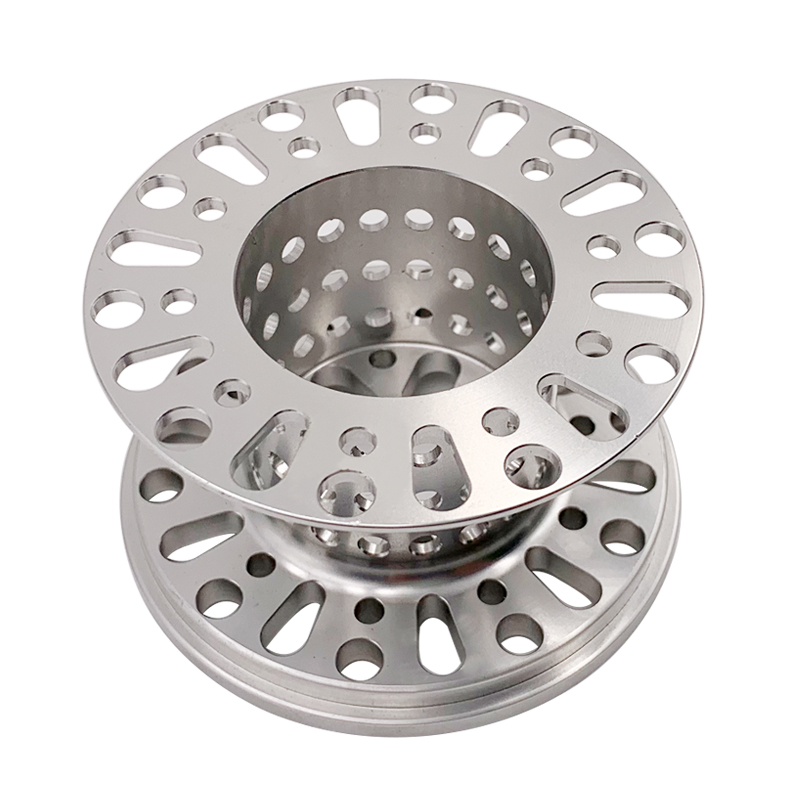
CNC milling is used in a wide range of industries, including aerospace, automotive, medical, and electronics. Here are some of the common applications of CNC milling:
- Prototyping: CNC milling is often used to create prototypes of new products. It allows for quick and precise creation of parts, which can be used to test the design and functionality of the product.
- Production Manufacturing: CNC milling is also used in production manufacturing to create high-quality parts in large quantities. It offers high precision and repeatability, which ensures consistent quality of the parts.
- Tool and Die Making: CNC milling is commonly used in tool and die making to create molds, dies, and other tooling components. It allows for precise machining of complex shapes, which is essential for tool and die making.
- Medical Device Manufacturing: CNC milling is used in the medical device manufacturing industry to create implants, prosthetics, and other medical devices. It offers high precision and accuracy, which is crucial for medical device manufacturing.
- Aerospace Manufacturing: CNC milling is widely used in the aerospace manufacturing industry to create parts for aircraft engines, airframes, and other aerospace components. It allows for precise machining of high-strength materials, which is essential for aerospace applications.

CNC milling offers several advantages over traditional milling and other machining processes. Here are some of the main advantages:
- High Precision: CNC milling allows for highly precise machining, with tolerances as low as ±0.001 inches. This makes it ideal for applications where precision is critical, such as aerospace and medical device manufacturing.
- Repeatability: CNC milling offers excellent repeatability, which means that the same part can be produced over and over again with the same high quality. This is important for production manufacturing, where consistency is key.
- Increased Efficiency: CNC milling is a highly automated process, which means that it can operate continuously without the need for manual intervention. This increases productivity and reduces labor costs.
- Complex Shapes: CNC milling can machine complex shapes that would be difficult or impossible to create using traditional milling methods. This makes it ideal for applications where intricate designs are required.
- Versatility: CNC milling can be used to machine a wide range of materials, including metals, plastics, and composites. It can also perform a variety of operations, such as drilling, tapping, and threading.
Conclusion
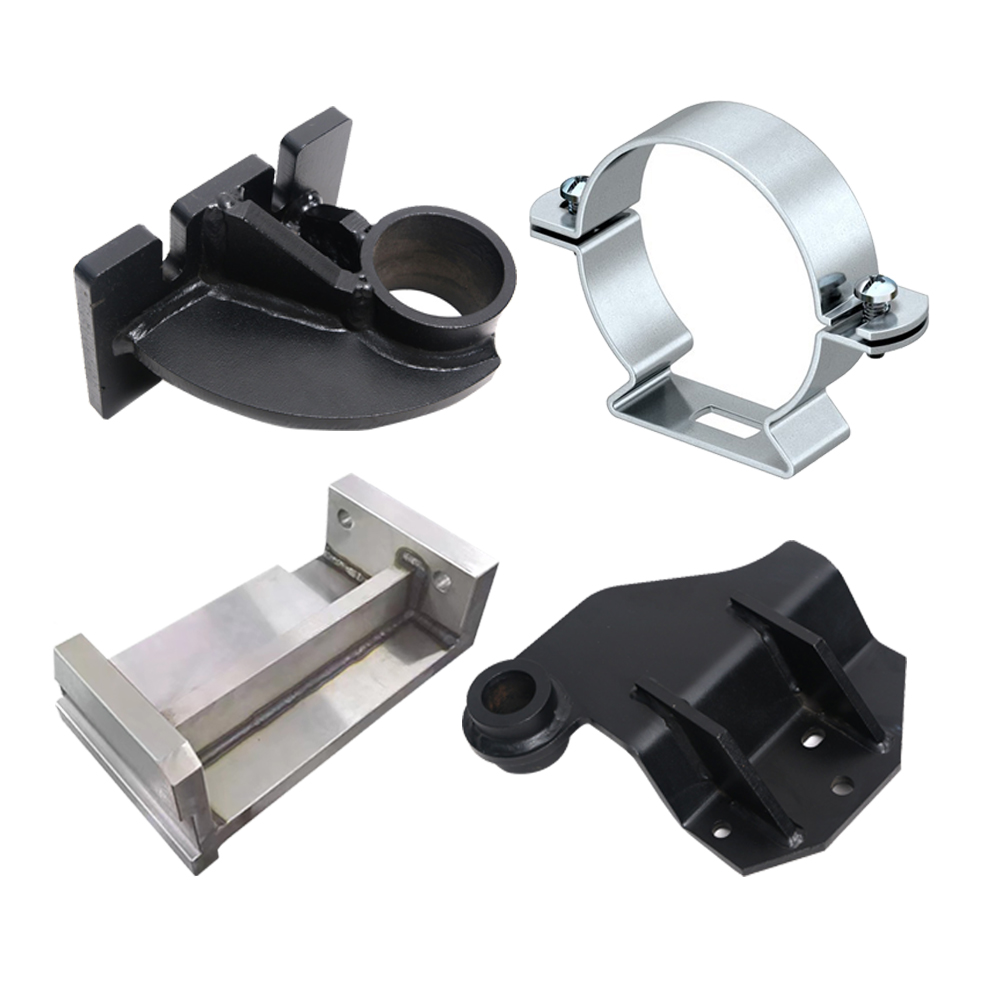
In conclusion, CNC milling is a powerful machining process that has revolutionized the manufacturing industry. It offers high precision, repeatability, and efficiency, making it ideal for a wide range of applications. Whether you are a hobbyist, a small business owner, or a large manufacturing company, CNC milling can help you create high-quality parts quickly and cost-effectively.
If you are interested in learning more about CNC milling or are considering investing in a CNC milling machine, there are many resources available online. You can find tutorials, videos, and forums where you can learn from other CNC milling enthusiasts and experts. With a little bit of research and practice, you can start using CNC milling to create amazing parts and products.
What is CNC Turning? A Comprehensive Guide
Is 3D Printed Metal as Strong as Forged?
Related Article

Fast sampling is the fastest way to win business in the hardware machining and plastic mold industries. Customers want a working sample in days, and a 3D printer delivers it, but only when you know how to print in 3d correctly.
how to print in 3d

Fast sampling is the fastest way to win business in the hardware machining and plastic mold industries. Customers often send an STL file and expect a working sample in days.
how to print an stl file

