
What is CNC Machining? A Comprehensive Guide
Author: SZTC
2025-03-26
In the world of modern manufacturing, CNC machining stands as a cornerstone technology. But what exactly is CNC machining, and why is it so integral to various industries? Let's dive in and explore this fascinating field.
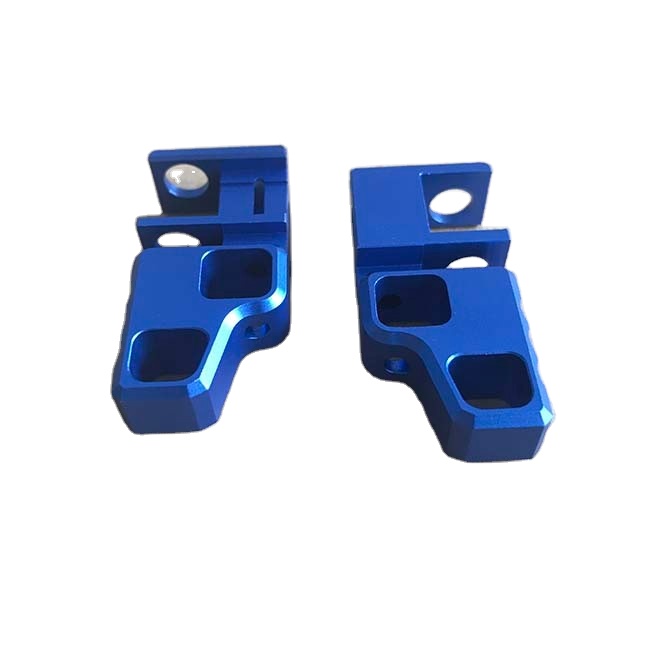
1. Understanding the Basics of CNC Machining
1.1 Definition
CNC machining, which stands for Computer Numerical Control machining, is a subtractive manufacturing process. It invo
lve using pre-programmed computer software to control the movement of factory tools and machinery. These machines can perform a wide range of complex operations, such as cutting, drilling, milling, and turning, with high precision.
1.2 Origins
The roots of CNC machining trace back to the 1940s and 1950s. The U.S. Air Force, in an effort to improve the accuracy of aircraft parts production, funded research that led to the development of the first CNC machines. Over the decades, the technology has evolved significantly, becoming more accessible and advanced, and is now widely used across industries.
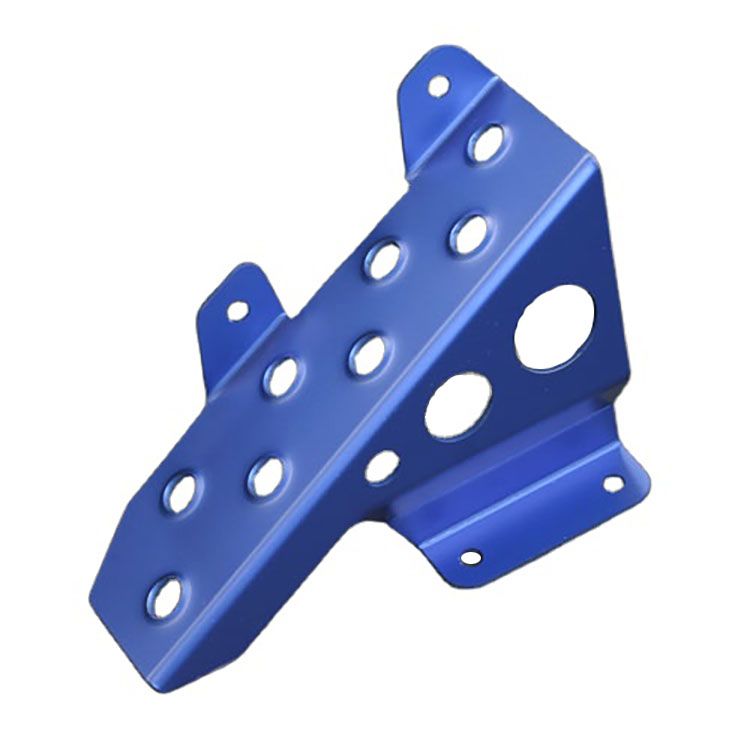
2. How CNC Machining Works
2.1 The Programming Process
The heart of CNC machining lies in the programming. Skilled programmers use Computer-Aided Design (CAD) and Computer-Aided Manufacturing (CAM) software to create a digital model of the part to be produced. The CAM software then converts this design into a set of instructions, known as G-code. This code tells the CNC machine the exact movements it needs to make, including the speed, feed rate, and depth of cuts.
2.2 Machine Operation
Once the G-code is loaded into the CNC machine's controller, the machine springs into action. The controller sends electrical signals to the machine's motors, which in turn move the cutting tools and the workpiece. These movements are highly precise, often down to fractions of a millimeter, allowing for the creation of intricate and accurate parts.
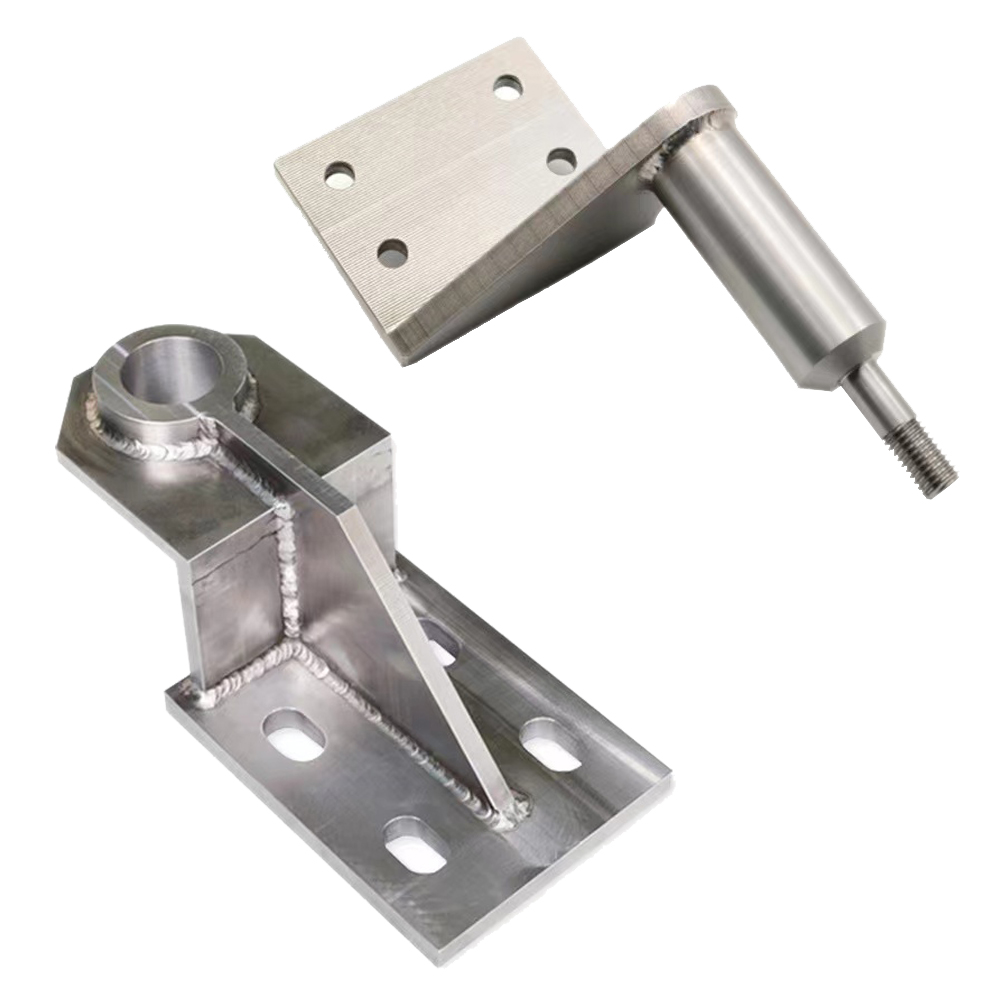
3. Advantages of CNC Machining
3.1 Precision and Accuracy
One of the most significant advantages of CNC machining is its ability to achieve extremely high precision. This makes it ideal for industries like aerospace, where even the slightest deviation in a part's dimensions can have catastrophic consequences.
3.2 Reproducibility
CNC machines can produce identical parts over and over again. Once the program is set, the machine will repeat the same operations with consistent results. This is crucial for mass production, ensuring that every product meets the same high standards.
3.3 Complexity in Design
With CNC machining, manufacturers can create parts with complex geometries that would be nearly impossible to achieve through traditional machining methods. This opens up new possibilities for product design and innovation.
In conclusion, CNC machining is a revolutionary technology that has transformed the manufacturing landscape. Its precision, reproducibility, and ability to handle complex designs make it an invaluable tool in various industries. Whether it's producing parts for a car engine or creating intricate jewelry, CNC machining continues to drive progress in manufacturing.s
What is a CNC Machine? Unveiling the Precision Powerhouse
What is Die Cast Aluminum?
Related Article

Fast sampling is the fastest way to win business in the hardware machining and plastic mold industries. Customers want a working sample in days, and a 3D printer delivers it, but only when you know how to print in 3d correctly.
how to print in 3d

Fast sampling is the fastest way to win business in the hardware machining and plastic mold industries. Customers often send an STL file and expect a working sample in days.
how to print an stl file

