
What is Anodizing? A Comprehensive Guide
Author: SZTC
2025-04-03
Introduction
Anodizing is a widely used process in various industries, especially in manufacturing and finishing of metals. It offers a range of benefits that enhance the properties of metals, making them more durable, corrosion - resistant, and aesthetically pleasing. This blog post will delve into the details of what anodizing is, how it works, and its applications.
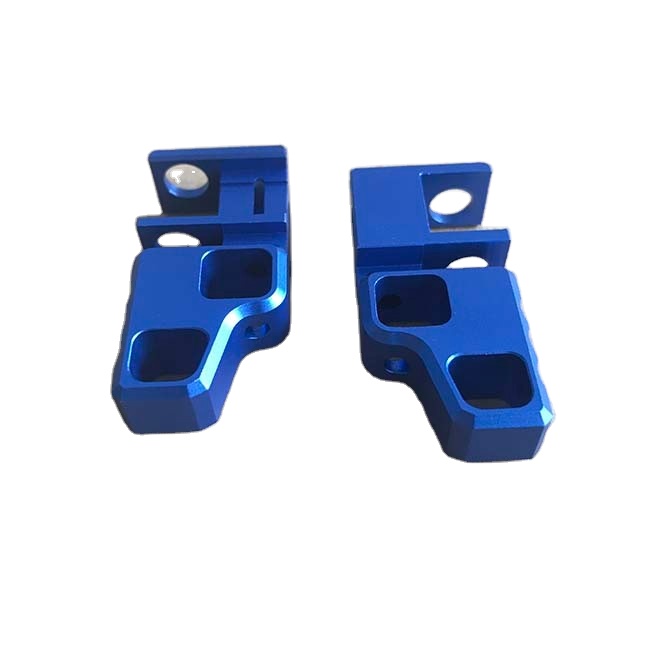
Definition
Anodizing is an electrochemical process that converts the metal surface into a durable, decorative, and corrosion - resistant oxide finish. It is most commonly applied to aluminum, but can also be done on other metals such as titanium, magnesium, and zinc. The process involves making the metal object the anode (positive electrode) in an electrolytic cell. When an electric current is passed through the cell, oxygen is released at the anode. This oxygen reacts with the metal surface to form a layer of metal oxide.
The Anodizing Layer
The anodized layer is not just a simple coating. It is an integral part of the metal substrate, firmly bonded to it. This layer can vary in thickness depending on the specific requirements of the application. Thinner layers, typically around 0.5 - 5 micrometers, are often used for decorative purposes, while thicker layers, up to 250 micrometers or more, are suitable for applications that require high - level corrosion resistance and wear protection.
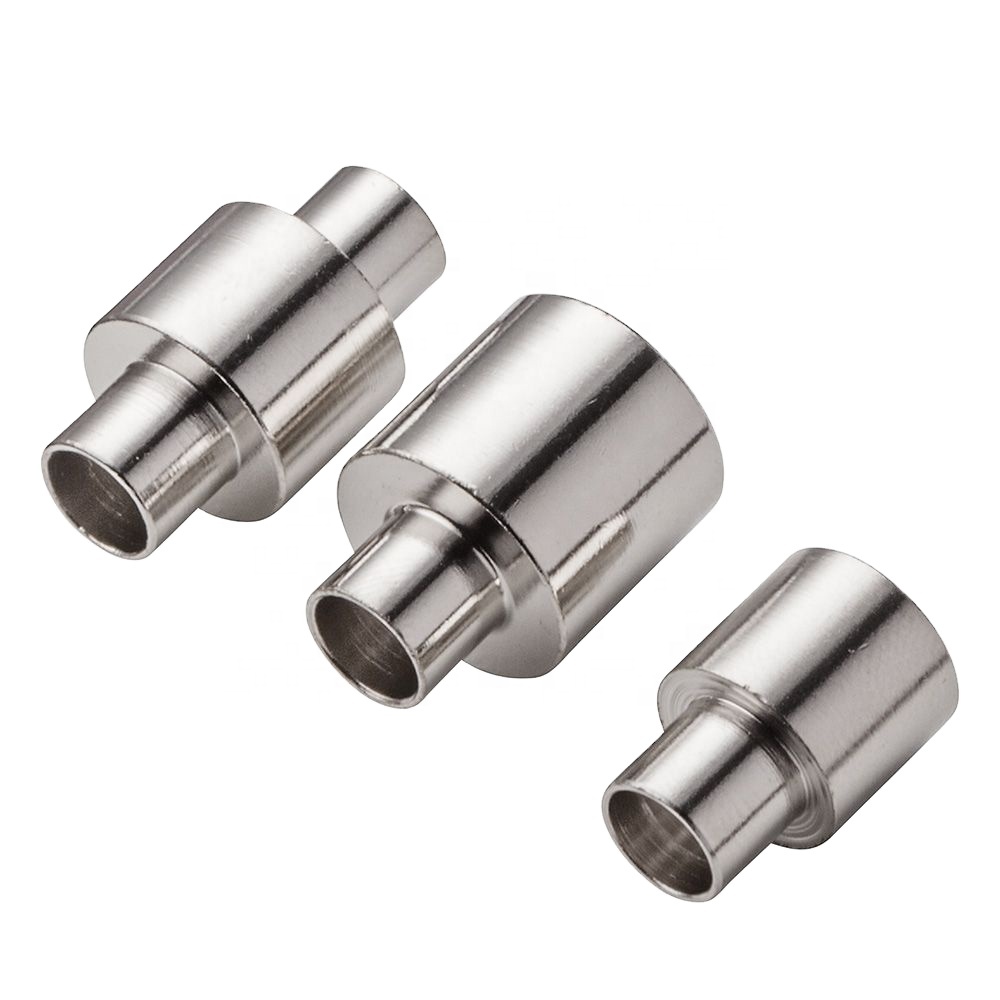
The Electrochemical Setup
To perform anodizing, the metal to be treated is placed in an electrolyte solution, which is usually an acid - based solution such as sulfuric acid, chromic acid, or oxalic acid. A cathode (negative electrode), often made of a non - reactive material like lead or stainless steel, is also immersed in the electrolyte. When an electric current is applied, positive ions from the electrolyte move towards the cathode, while negative ions (such as oxygen - containing ions) move towards the anode (the metal object).
Oxide Formation
At the surface of the metal anode, the oxygen - containing ions react with the metal atoms. For example, in the case of aluminum anodizing, aluminum atoms react with oxygen to form aluminum oxide (Al₂O₃). This reaction occurs in a controlled manner, gradually building up a layer of oxide on the metal surface. The porosity of the anodized layer can be adjusted during the process. Initially, the layer is porous, which allows for further treatments such as dyeing to add color or sealing to improve corrosion resistance.

Aerospace Industry
In the aerospace industry, anodizing is crucial. Aluminum components in aircraft are anodized to improve their corrosion resistance. The high - altitude and harsh environmental conditions that aircraft are exposed to make corrosion a significant concern. Anodized aluminum parts can withstand these conditions better, ensuring the safety and longevity of the aircraft. Additionally, the anodized surface can be dyed to match specific color - coding requirements for different components.
Architecture
Anodized aluminum is widely used in architectural applications. It is used for window frames, curtain walls, and decorative elements. The anodized finish provides a durable and attractive appearance. It can resist the effects of weather, including rain, sun, and pollution, maintaining its luster and integrity over long periods. The ability to color - anodize aluminum also allows architects to choose from a wide range of colors to match the design aesthetic of buildings.
Consumer Electronics
Many consumer electronics products, such as smartphones, laptops, and tablets, feature anodized aluminum casings. Anodizing gives these products a sleek and modern look. It also protects the aluminum from scratches and corrosion, which is important considering how frequently these devices are handled. The anodized finish can be customized to have a matte or glossy appearance, enhancing the overall visual appeal of the product.

Conclusion
Anodizing is a versatile and important process that has revolutionized the way metals are used in various industries. By creating a durable and corrosion - resistant oxide layer on the metal surface, it extends the lifespan of metal components, improves their appearance, and offers a wide range of applications. Whether in aerospace, architecture, or consumer electronics, anodizing plays a vital role in ensuring the quality and functionality of products.
What is Anodized Aluminum?
What Is Chrome Plating?
Related Article

Fast sampling is the fastest way to win business in the hardware machining and plastic mold industries. Customers want a working sample in days, and a 3D printer delivers it, but only when you know how to print in 3d correctly.
how to print in 3d

Fast sampling is the fastest way to win business in the hardware machining and plastic mold industries. Customers often send an STL file and expect a working sample in days.
how to print an stl file

