
What is Anodized Aluminum?
Author: SZTC
2025-04-07
Introduction
Aluminum is a widely used metal in various industries due to its lightweight, corrosion - resistant, and malleable properties. One of the ways to enhance its already - good characteristics is through a process called anodization. In this blog post, we'll explore what anodized aluminum is, how it's made, and why it's so popular.
What is Anodized Aluminum?
Definition
Anodized aluminum is aluminum that has undergone an anodizing process. Anodizing is an electrochemical process that converts the metal surface into a durable, decorative, and corrosion - resistant oxide finish. The anodized layer is actually an integral part of the aluminum substrate, unlike a paint or plating which is just a coating on top.
How it's Different from Regular Aluminum
Regular aluminum has a natural oxide layer that forms when it's exposed to air. However, this natural oxide layer is very thin, usually only a few nanometers thick. In contrast, the anodized layer can be made much thicker, ranging from about 0.5 to 250 micrometers depending on the application. This thicker oxide layer provides significantly better protection against corrosion, wear, and abrasion compared to the natural oxide layer on regular aluminum.
The Anodizing Process
Step - by - Step Explanation
- Cleaning: The aluminum piece is first thoroughly cleaned to remove any dirt, oil, or other contaminants. This is crucial as any impurities on the surface can affect the quality of the anodized layer.
- Degreasing: Special degreasing agents are used to ensure that the surface is free of any organic substances that could interfere with the anodizing process.
- Etching (Optional): In some cases, the aluminum is etched to create a more uniform surface texture. This can improve the adhesion of the anodized layer and also give the final product a specific appearance.
- Anodizing: The cleaned aluminum is placed in an electrolytic bath. The bath typically contains an acidic solution, such as sulfuric acid. When an electric current is passed through the bath, oxygen is released at the aluminum anode. This oxygen reacts with the aluminum surface to form aluminum oxide, gradually building up the anodized layer.
- Sealing: After the desired thickness of the anodized layer is achieved, the piece is sealed. Sealing helps to close the pores in the anodized layer, further enhancing its corrosion resistance and durability. This can be done using hot water, steam, or special sealing solutions.
Types of Anodizing
- Sulfuric Acid Anodizing: This is the most common type of anodizing. It produces a clear, hard, and durable oxide layer. The anodized layer can be dyed various colors, making it suitable for both functional and decorative applications.
- Chromic Acid Anodizing: This type of anodizing is used when the aluminum part needs to be non - conductive or when it will be in contact with rubber or other materials that could be affected by sulfuric acid anodizing. It produces a thinner, more flexible oxide layer compared to sulfuric acid anodizing.
- Hard Anodizing: As the name implies, hard anodizing creates an extremely hard and thick oxide layer. This is ideal for applications where the aluminum needs to withstand high levels of wear and abrasion, such as in automotive and aerospace components.

Benefits of Anodized Aluminum
Corrosion Resistance
The anodized layer acts as a barrier between the aluminum substrate and the environment. It protects the aluminum from moisture, chemicals, and other corrosive agents, greatly extending the lifespan of the aluminum product. This makes anodized aluminum suitable for outdoor applications, such as architectural facades, window frames, and outdoor furniture.
Durability
Due to its hardness, the anodized layer can resist scratches, dents, and other forms of mechanical damage. This makes anodized aluminum products more durable and less likely to show signs of wear over time. For example, anodized aluminum cookware is less prone to scratching during cooking and cleaning.
Aesthetic Appeal
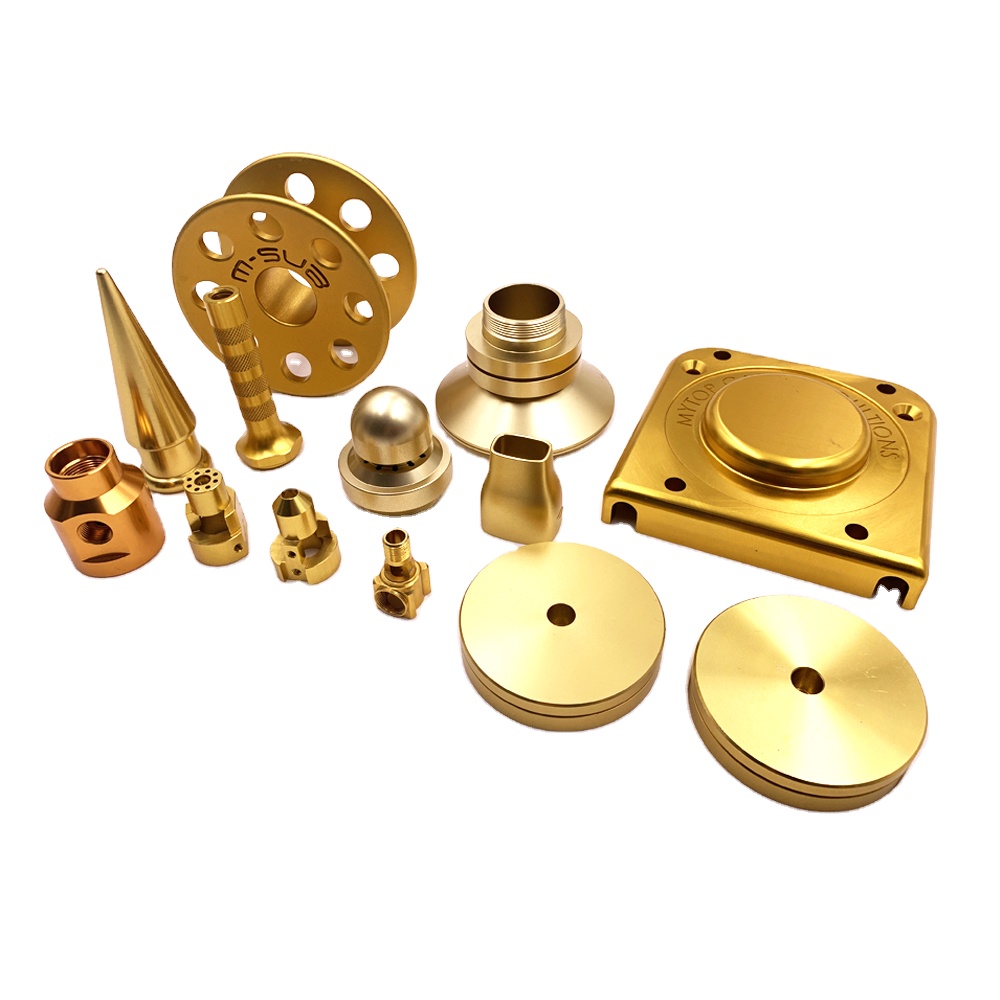
Anodized aluminum can be dyed a wide range of colors, from bright and vivid hues to more subtle and natural tones. This allows for a high degree of customization in design, making it popular in the fields of interior design, consumer electronics, and jewelry making. The anodized surface also has a smooth and attractive finish that can enhance the overall look of a product.
Cost - Effectiveness
Although the anodizing process adds some cost to the production of aluminum products, the long - term benefits in terms of durability and reduced maintenance costs make it a cost - effective choice. Products made from anodized aluminum are less likely to need frequent replacement due to corrosion or wear, saving money in the long run.
Applications of Anodized Aluminum
Architecture
Anodized aluminum is widely used in architectural applications. It can be found in building facades, curtain walls, window frames, and door handles. The corrosion resistance and aesthetic appeal of anodized aluminum make it a perfect choice for enhancing the appearance and longevity of buildings.
Automotive Industry
In the automotive industry, anodized aluminum is used for parts such as wheels, engine components, and interior trim. The hard anodized layer on engine components can withstand high temperatures and wear, while the decorative anodized finishes on interior trim and wheels add a touch of style to the vehicle.
Electronics
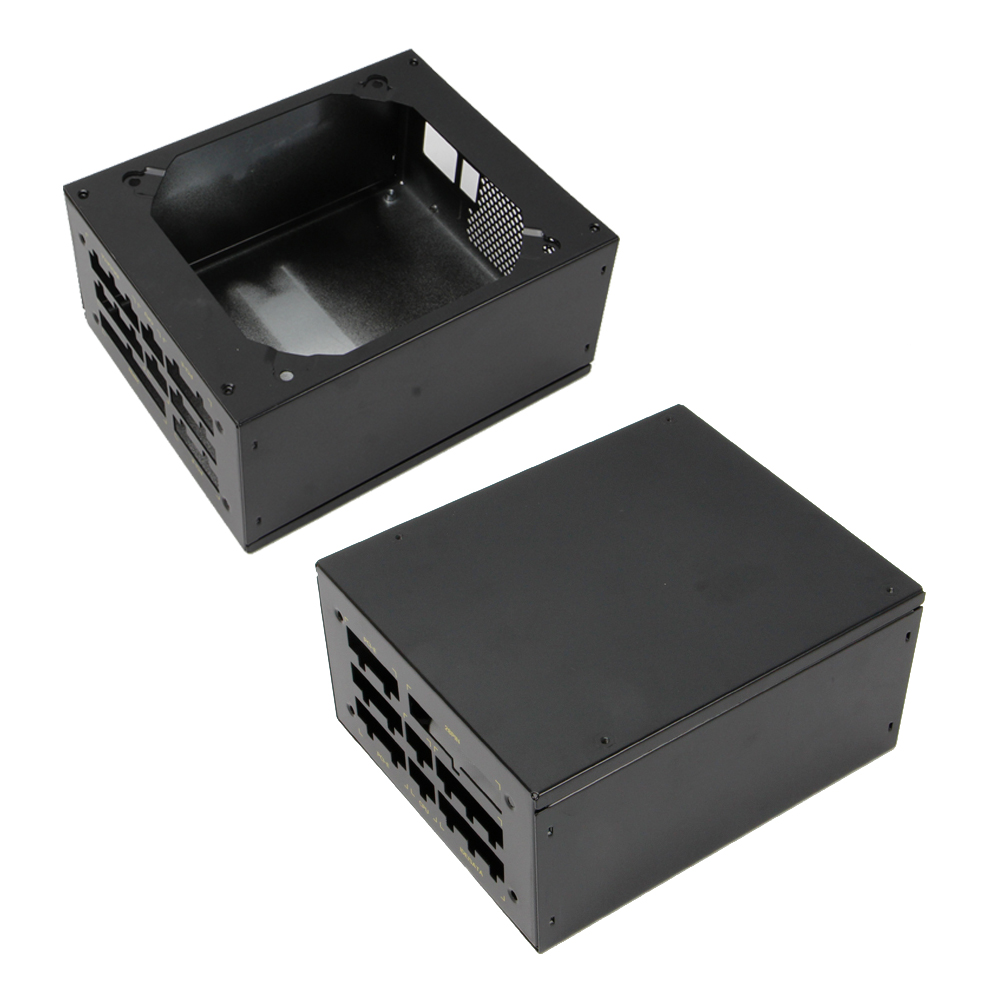
Consumer electronics often feature anodized aluminum casings. Devices like smartphones, laptops, and tablets use anodized aluminum for its lightweight yet durable properties. The anodized surface also provides a sleek and modern look that is appealing to consumers.
Aerospace
Aerospace components made from anodized aluminum benefit from its corrosion resistance, lightweight nature, and high strength - to - weight ratio. Parts such as aircraft wings, fuselage panels, and engine parts can be anodized to improve their performance and reliability in the harsh aerospace environment.
Conclusion
Anodized aluminum is a versatile and valuable material that offers numerous advantages over regular aluminum. Through the anodizing process, aluminum can be transformed into a more durable, corrosion - resistant, and aesthetically pleasing product. Its wide range of applications in various industries highlights its importance and the impact it has on our daily lives, from the buildings we live and work in to the electronics we use and the vehicles we travel in.
what is anodizing process?
What is Anodizing? A Comprehensive Guide
Related Article

Fast sampling is the fastest way to win business in the hardware machining and plastic mold industries. Customers want a working sample in days, and a 3D printer delivers it, but only when you know how to print in 3d correctly.
how to print in 3d

Fast sampling is the fastest way to win business in the hardware machining and plastic mold industries. Customers often send an STL file and expect a working sample in days.
how to print an stl file

