
What Is CNC Manufacturing?
Author: SZTC
2025-05-06
In the fast - paced and ever - evolving realm of modern manufacturing, CNC manufacturing has emerged as a transformative force. When we ask “what is CNC manufacturing?”, we are delving into a technology that has redefined the boundaries of precision, efficiency, and versatility in production. CNC manufacturing, short for Computer Numerical Control manufacturing, is a process that utilizes computer - controlled machine tools to fabricate a wide range of parts and products with high accuracy and repeatability.
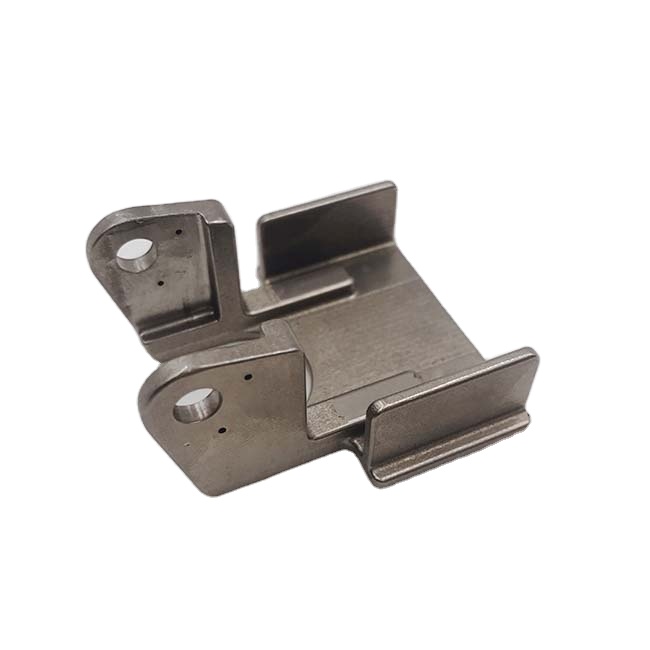
The Fundamental Concept of CNC Manufacturing
Defining CNC Manufacturing
At its essence, CNC manufacturing replaces the traditional manual operation of machine tools with automated processes guided by pre - programmed instructions. Instead of a human operator physically manipulating levers and controls to shape a workpiece, a computer program dictates the exact movements of cutting tools, the speed at which they operate, and the depth of cuts. This program, typically written in languages like G - code and M - code, provides detailed commands that the CNC machine’s controller interprets and executes. For example, a simple G - code instruction might tell the machine to move the cutting tool along a specific path in the X - Y plane to create a particular shape on the workpiece.
The Role of Computers
The computer in CNC manufacturing acts as the brain of the operation. It stores the manufacturing program, processes the instructions, and sends electrical signals to various components of the CNC machine. These signals control the motors and actuators that move the machine’s axes, such as the X, Y, and Z axes in a three - dimensional machining setup. Advanced CNC systems can also integrate real - time monitoring and feedback mechanisms, allowing the computer to adjust the machining process on - the - fly to maintain precision and quality.

Design and Programming
The CNC manufacturing process starts with the creation of a digital design of the part to be produced. Designers use Computer - Aided Design (CAD) software to create a 2D or 3D model of the product, specifying its dimensions, shape, and any intricate details. Once the design is complete, it is transferred to Computer - Aided Manufacturing (CAM) software. The CAM software takes the CAD model and generates a CNC program. This program breaks down the manufacturing process into a series of precise steps, determining the optimal tool paths, cutting speeds, and feed rates for each operation.
Machining Operations
After the program is generated, it is loaded into the CNC machine’s controller. The machine then positions the workpiece securely and begins the machining operations. Depending on the type of CNC machine (such as a lathe, mill, or router), different cutting tools are used to remove material from the workpiece. For instance, a CNC milling machine uses rotating cutting tools to remove material from the workpiece in a variety of ways, such as end - milling, face - milling, or contour - milling. Throughout the machining process, sensors on the machine continuously monitor factors like tool wear, temperature, and the position of the workpiece to ensure that the final product meets the required specifications.
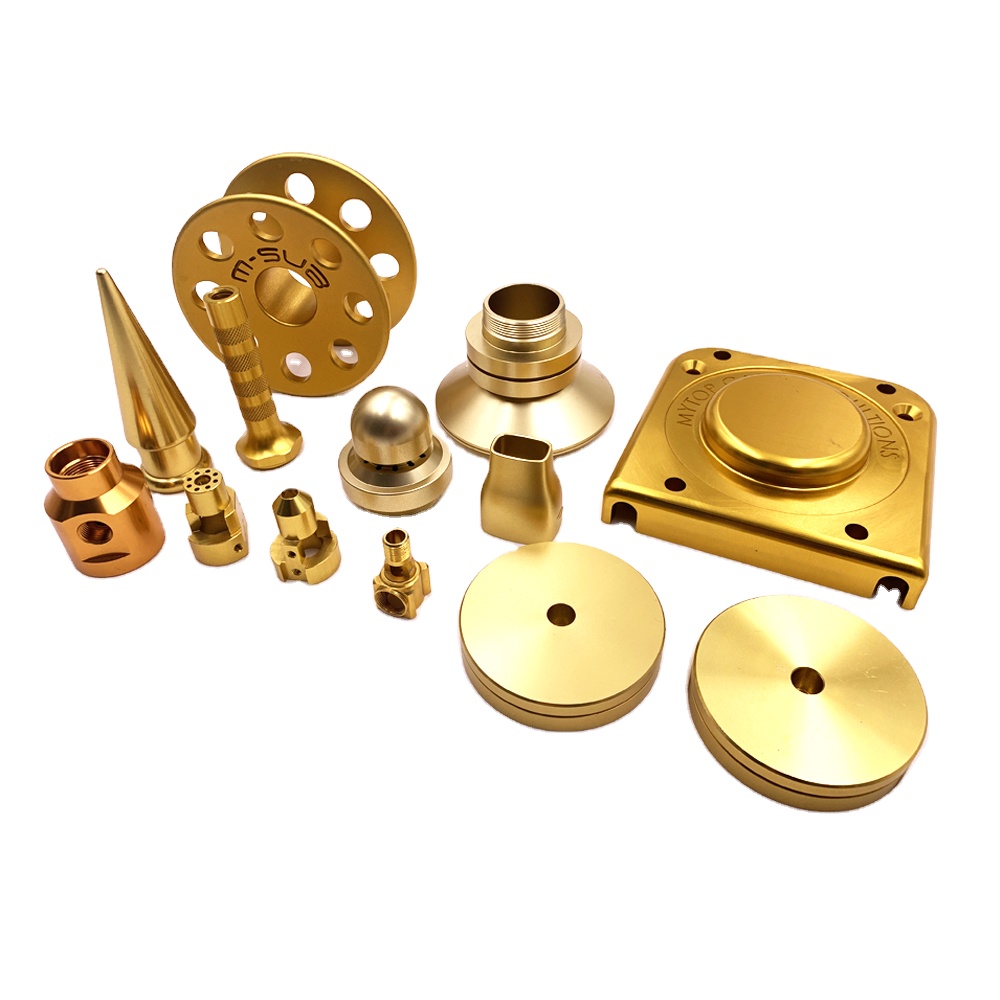
Applications and Benefits of CNC Manufacturing
Wide - ranging Applications
CNC manufacturing has found applications in numerous industries. In the automotive sector, it is used to produce engine blocks, transmission gears, and custom - designed car parts. The aerospace industry relies on CNC manufacturing to create lightweight yet durable components for aircraft, such as wing structures and turbine blades. In the medical field, CNC machines are used to manufacture precise medical implants, surgical instruments, and diagnostic equipment parts. Additionally, CNC manufacturing is crucial in the production of consumer electronics, jewelry, and even artistic sculptures, where high precision and complex shapes are required.
Key Benefits
One of the most significant benefits of CNC manufacturing is its high level of precision. CNC machines can achieve extremely tight tolerances, often within a few thousandths of an inch, ensuring consistent quality across large production runs. The automation of the process also leads to increased efficiency, as CNC machines can operate continuously with minimal human supervision, reducing production time and labor costs. Moreover, CNC manufacturing offers great flexibility, as it can easily switch between different production jobs by simply loading a new program. This makes it suitable for both mass production and custom manufacturing, allowing manufacturers to meet the diverse needs of their customers.
In conclusion, understanding “what is CNC manufacturing” is essential for anyone interested in the modern manufacturing landscape. From its innovative concept and well - defined process to its extensive applications and numerous benefits, CNC manufacturing continues to drive the evolution of the manufacturing industry, enabling the production of high - quality, complex products with greater efficiency and precision.
What Is an ISO Certified Company?
What Does CNC Stand for in Manufacturing?
Related Article

Fast sampling is the fastest way to win business in the hardware machining and plastic mold industries. Customers want a working sample in days, and a 3D printer delivers it, but only when you know how to print in 3d correctly.
how to print in 3d

Fast sampling is the fastest way to win business in the hardware machining and plastic mold industries. Customers often send an STL file and expect a working sample in days.
how to print an stl file

