
What Does Die Cast Mean?
Author: SZTC
2025-03-18
If you've ever wondered about the manufacturing process behind those intricate, smooth - surfaced metal parts in your car, toys, or even some household appliances, the term "die cast" might have piqued your curiosity. But what exactly does die cast mean? In this blog post, we'll dive deep into the world of die casting to demystify this manufacturing technique.
Definition of Die Casting
Die casting is a metal - forming process in which molten metal is forced under high pressure into a mold cavity, known as a die. The die is typically made of two halves, and when the molten metal is injected, it takes on the shape of the cavity within the die. Once the metal cools and solidifies, the die is opened, and the newly formed part is ejected. This process allows for the creation of highly detailed, complex - shaped parts with excellent dimensional accuracy.
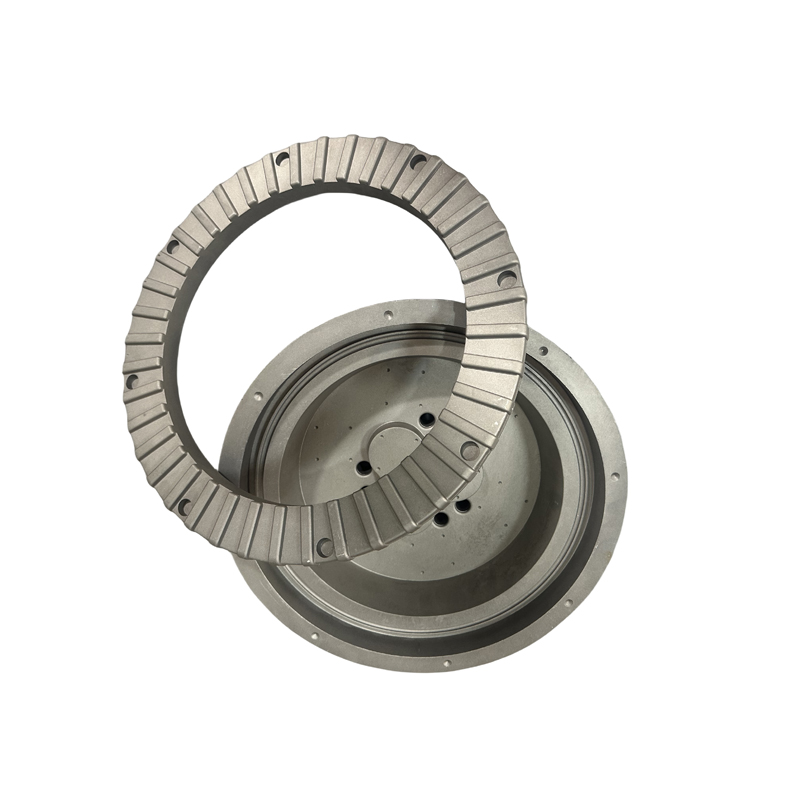
The Die Casting Process
-
Die Creation: The first step in die casting is the creation of the die. Dies are usually made from high - strength tool steel to withstand the high pressures and temperatures involved in the process. They are designed with extreme precision, taking into account the final shape of the part, as well as features such as gates (where the molten metal enters the die), vents (to allow air to escape), and ejector pins (to push the solidified part out of the die).
-
Metal Melting: The appropriate metal alloy is selected based on the requirements of the final product. Common alloys used in die casting include zinc, aluminum, magnesium, and copper - based alloys. The metal is melted in a furnace to a liquid state, ready for injection into the die.
-
Injection: The molten metal is then forced into the die cavity at high pressure, usually ranging from a few hundred to several thousand pounds per square inch (psi). This high - pressure injection ensures that the metal fills every nook and cranny of the die, creating a part with sharp details and smooth surfaces.
-
Cooling and Solidification: After injection, the metal cools inside the die. The cooling time depends on the size and thickness of the part, as well as the type of metal used. Once the metal has solidified, it has taken on the shape of the die cavity.
-
Ejection: The die is opened, and ejector pins push the solidified part out of the die. In some cases, secondary operations such as trimming (to remove any excess material or flash), machining (for additional precision), or finishing (such as painting or plating) may be required.
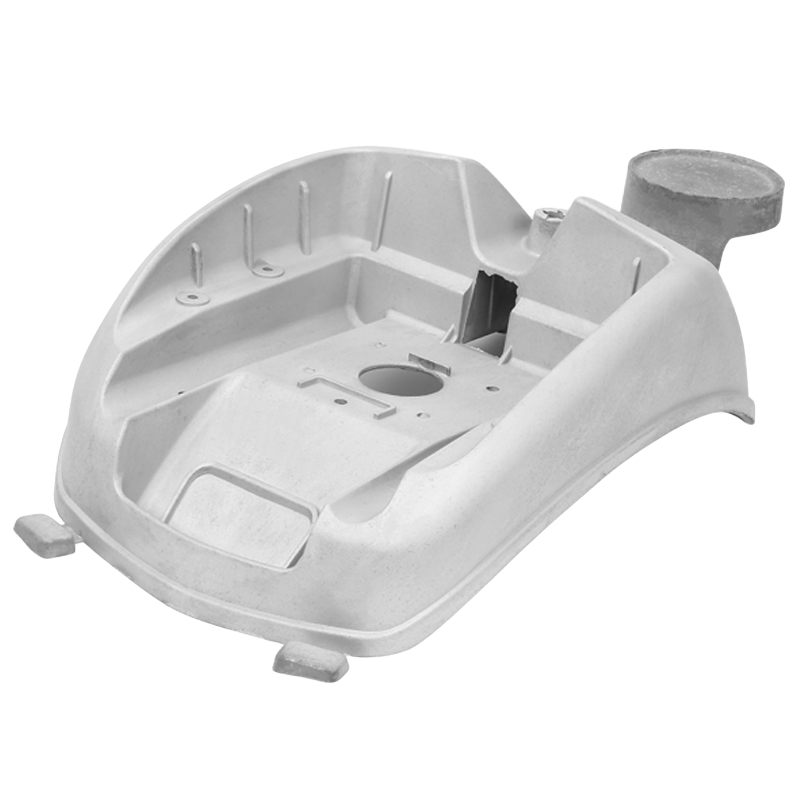
Applications of Die Casting
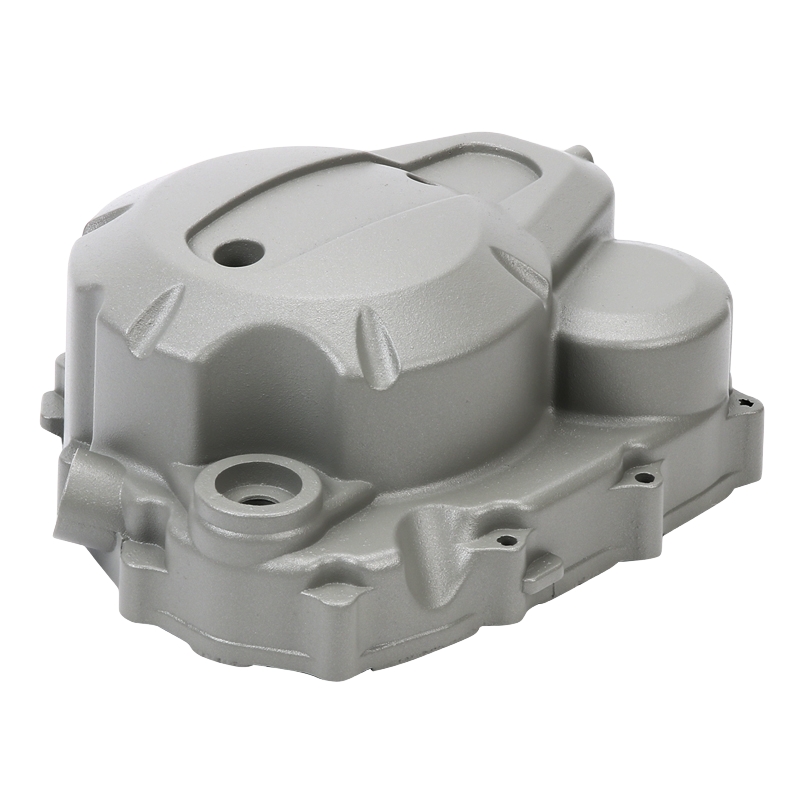
Die casting has a wide range of applications across various industries:
-
Automotive Industry: In cars, die - cast parts are used for engine components like cylinder heads, transmission cases, and intake manifolds. They are also used for decorative trim, door handles, and wheel hubs. The ability to produce parts with high strength - to - weight ratios makes die casting ideal for automotive applications, where reducing weight while maintaining structural integrity is crucial for fuel efficiency.
-
Consumer Electronics: Many electronic devices, such as laptop and tablet casings, smartphone frames, and camera bodies, are made using die casting. The process allows for the creation of sleek, lightweight, and durable enclosures that can protect delicate electronic components.
-
Toys and Hobby Items: Die - cast toys, like model cars and airplanes, are popular among collectors and children alike. The high - level of detail achievable through die casting makes these toys look realistic. Hobbyists also use die - cast parts in model building and remote - controlled vehicles.
-
Aerospace: Die - cast components are used in aircraft for parts such as engine brackets, wing components, and landing gear parts. The need for lightweight yet strong materials in aerospace applications makes die casting a suitable manufacturing method.
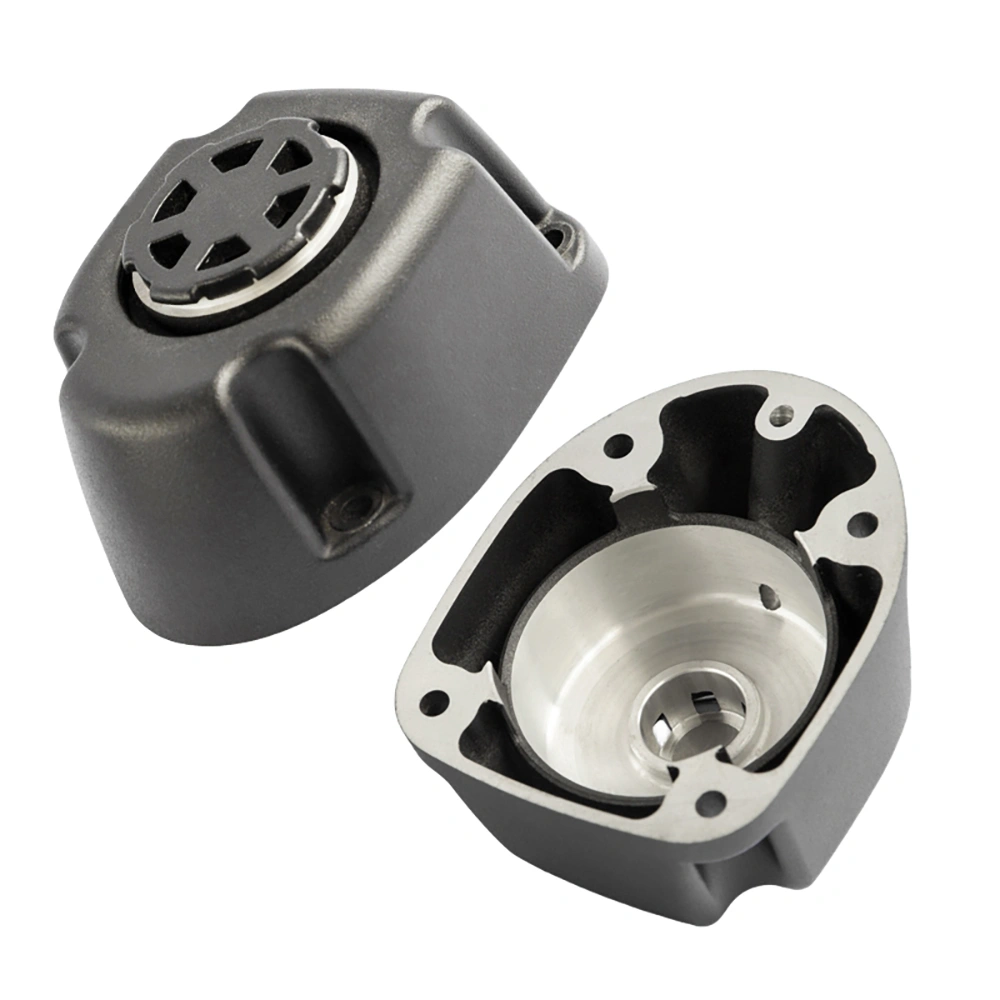
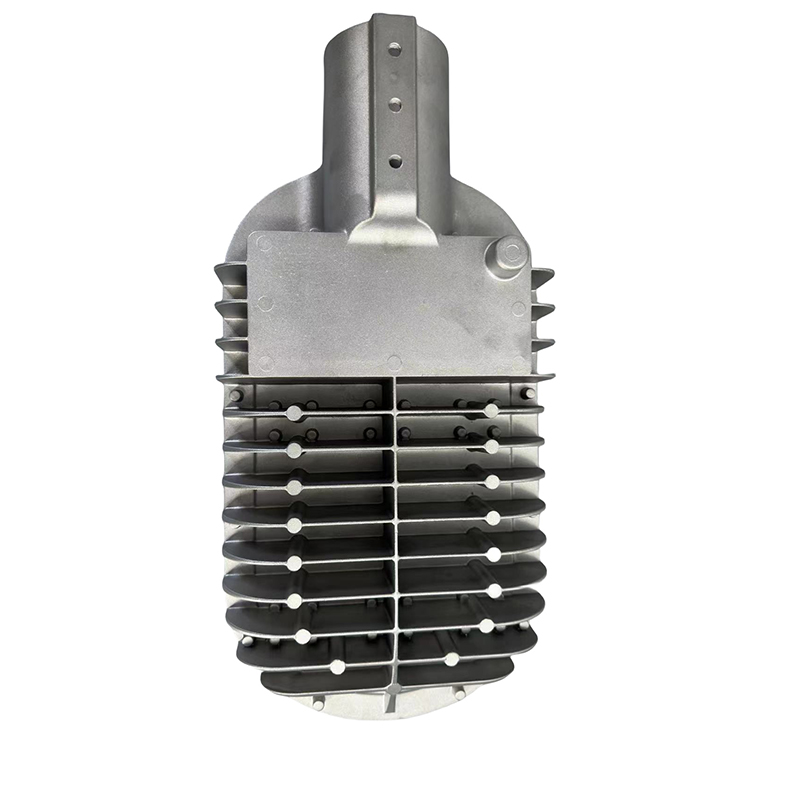

In conclusion, die casting is a versatile and widely used manufacturing process. When you hear the term "die cast," it refers to this highly efficient method of creating metal parts with precision, detail, and in large quantities. Whether it's the small parts in your everyday gadgets or the complex components in high - performance vehicles, die casting plays a significant role in bringing these products to life.
What is CNC? Unraveling the World of Computer Numerical Control
What is Die Cast Metal?
Related Article

Fast sampling is the fastest way to win business in the hardware machining and plastic mold industries. Customers want a working sample in days, and a 3D printer delivers it, but only when you know how to print in 3d correctly.
how to print in 3d

Fast sampling is the fastest way to win business in the hardware machining and plastic mold industries. Customers often send an STL file and expect a working sample in days.
how to print an stl file

