
What Does CNC Stand for in Manufacturing?
Author: SZTC
2025-05-06
In the dynamic world of modern manufacturing, the term “CNC” frequently emerges as a cornerstone technology. But what does CNC stand for in manufacturing? CNC stands for Computer Numerical Control. This technology has revolutionized the manufacturing industry, enabling precise, efficient, and automated production processes. Let’s delve deeper into the details of CNC in manufacturing.
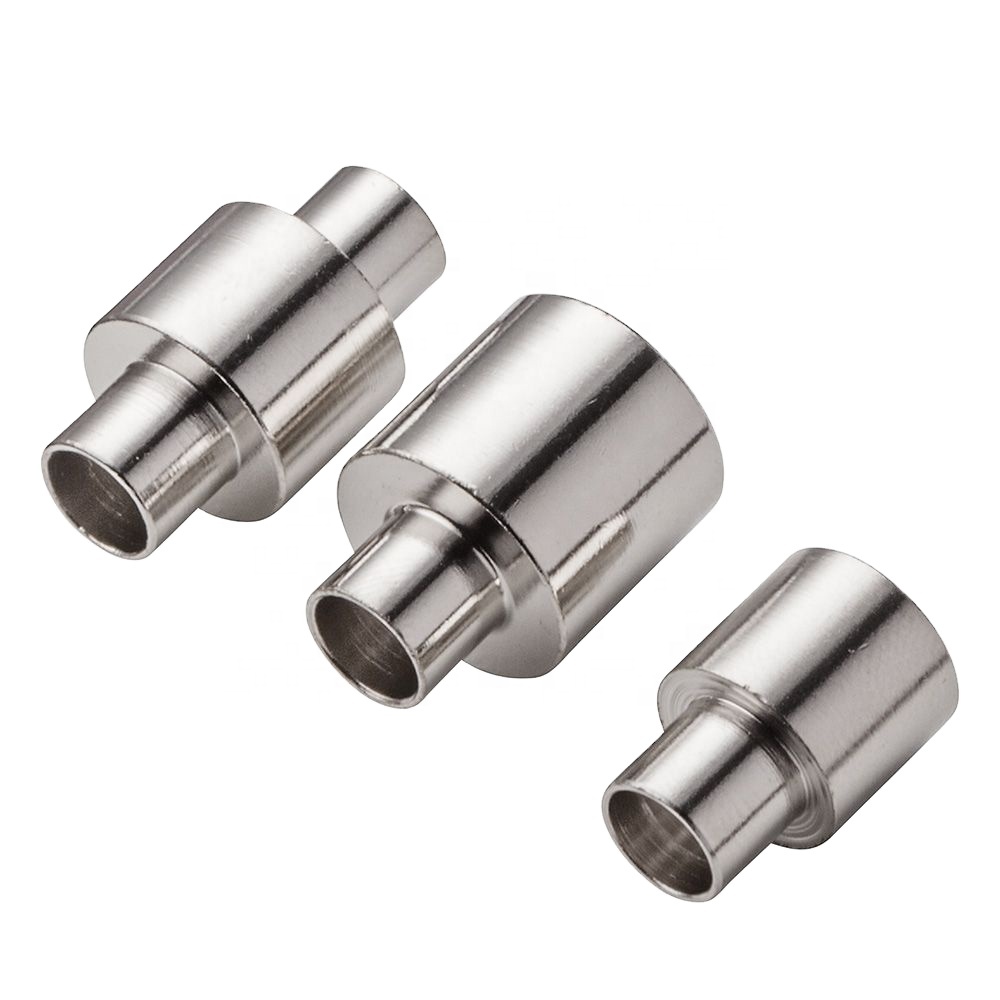
The Basics of CNC: What It Represents
CNC, or Computer Numerical Control, refers to the automation of machine tools using computers executing pre-programmed sequences of machine control commands. At its core, CNC replaces manual operation of machine tools, such as lathes, mills, routers, and grinders. Instead of an operator directly controlling the movement of cutting tools and workpieces, a computer program dictates every aspect of the machining process. These programs are typically written using specific programming languages like G-code and M-code, which communicate detailed instructions about tool paths, speeds, feeds, and other parameters to the CNC machine.
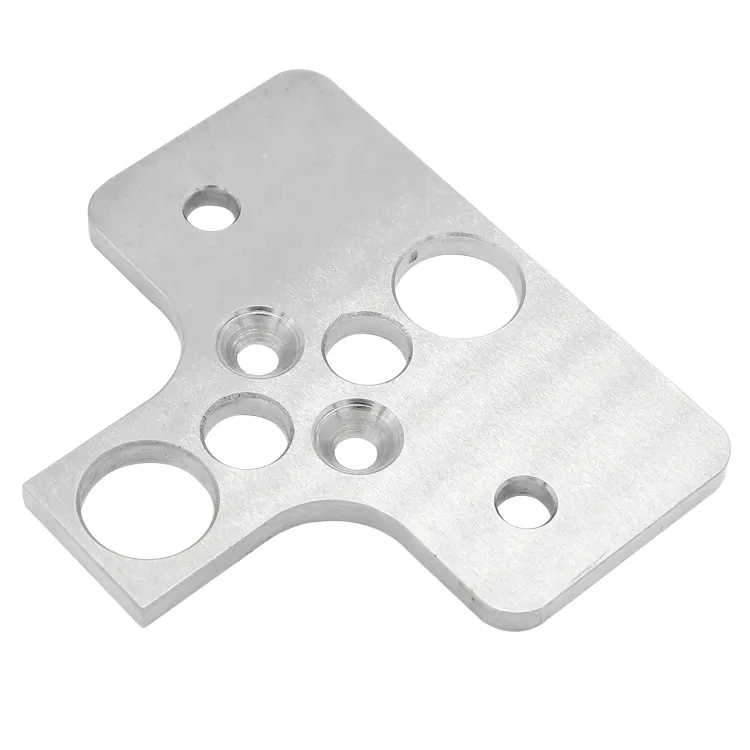
How CNC Works: The Operational Mechanism
Inputting the Program
The process begins with creating a digital design of the part to be manufactured, usually using CAD (Computer-Aided Design) software. Once the design is complete, it is converted into a CNC program through CAM (Computer-Aided Manufacturing) software. This program contains a series of instructions that define how the machine should move, the depth of cuts, and the sequence of operations. The program is then transferred to the CNC machine’s controller, which could be via a USB drive, a network connection, or even a cloud-based system.
Machine Operation
The CNC machine’s controller reads the program and sends electrical signals to various motors and actuators that control the movement of the machine’s axes. These axes can move in multiple directions, such as the X, Y, and Z axes in a 3D machining setup. As the machine follows the instructions in the program, the cutting tool removes material from the workpiece, gradually shaping it into the desired form. Sensors on the machine monitor the process, ensuring that the machining stays within the specified tolerances and providing feedback to the controller for any necessary adjustments.
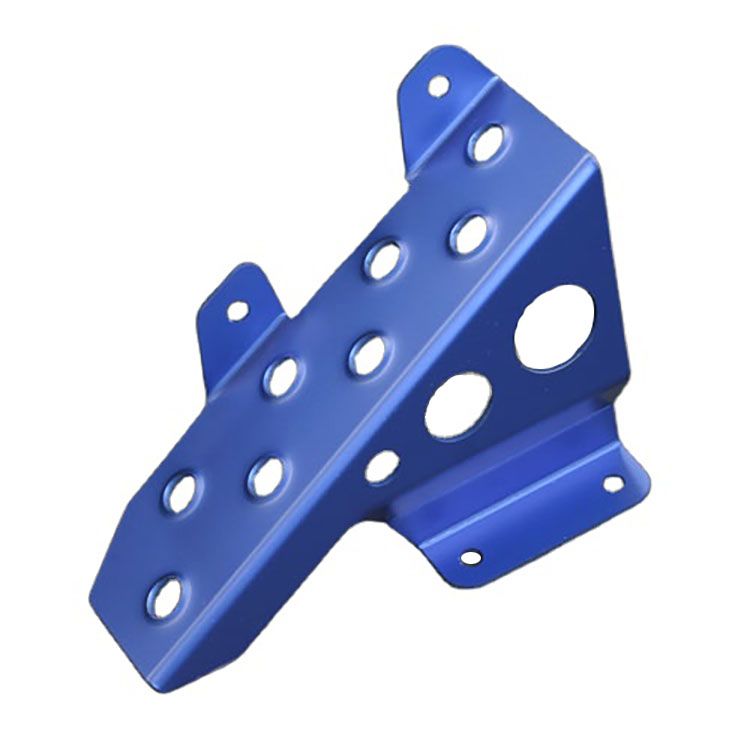
Applications and Advantages of CNC in Manufacturing
Diverse Applications
CNC technology is widely applied across various industries. In the automotive industry, it is used to produce engine components, transmission parts, and intricate interior fixtures. Aerospace manufacturers rely on CNC machines to create lightweight yet strong parts for aircraft, such as turbine blades and structural components. The medical field also benefits from CNC machining, which is used to make precise medical implants, surgical instruments, and diagnostic equipment parts. Additionally, CNC is essential in the production of consumer electronics, furniture, and countless other products that require high precision.
Key Advantages
One of the primary advantages of CNC in manufacturing is its high level of precision. CNC machines can achieve tolerances as tight as a few thousandths of an inch, ensuring consistent quality across multiple parts. Automation also increases efficiency, as CNC machines can operate continuously with minimal human intervention, reducing production time and labor costs. Moreover, CNC allows for the production of complex geometries that would be extremely difficult or impossible to create manually. The flexibility of CNC programming means that it can easily switch between different production runs, making it suitable for both mass production and customized manufacturing.
In conclusion, understanding what does CNC stand for in manufacturing—Computer Numerical Control—is crucial for grasping the technological advancements driving modern manufacturing. From its fundamental concept to its far-reaching applications and benefits, CNC has become an indispensable part of the manufacturing landscape, shaping the way products are made today and in the future.
What Is CNC Manufacturing?
Who Makes Precision Chassis Parts?
Related Article

Fast sampling is the fastest way to win business in the hardware machining and plastic mold industries. Customers want a working sample in days, and a 3D printer delivers it, but only when you know how to print in 3d correctly.
how to print in 3d

Fast sampling is the fastest way to win business in the hardware machining and plastic mold industries. Customers often send an STL file and expect a working sample in days.
how to print an stl file

