
What Are Extruders? A Comprehensive Guide
Author: SZTC
2025-03-25
Introduction
In the world of manufacturing and materials processing, extruders play a pivotal role. They are machines that have been designed to shape materials by forcing them through a die of a specific cross - sectional shape. This process, known as extrusion, has a wide range of applications across various industries, from plastics and food to construction and aerospace. In this blog post, we will delve deep into what extruders are, how they work, their different types, and their applications.
What Exactly is an Extruder?
Definition
An extruder is a mechanical device that applies pressure to a material, which is typically in a semi - molten or plastic - like state, and pushes it through a shaped opening (the die). The material then takes on the shape of the die as it emerges, creating a continuous profile. This can range from simple shapes like tubes and rods to complex, customized profiles used in specific manufacturing processes.
Basic Components
-
Feeding System
The feeding system is responsible for introducing the raw material into the extruder. In the case of plastic extrusion, for example, plastic pellets are often gravity - fed or force - fed into the extruder barrel. This system can be equipped with mechanisms to control the rate of feeding, ensuring a consistent supply of material for the extrusion process.
-
Barrel and Screw
The barrel is a long, hollow cylinder where the magic happens. Inside the barrel is a screw, which rotates at a controlled speed. As the screw rotates, it conveys the material along the length of the barrel. The screw also performs other functions such as melting, mixing, and pressurizing the material. The barrel is usually heated to facilitate the melting of the material, especially in the case of thermoplastics.

-
Die
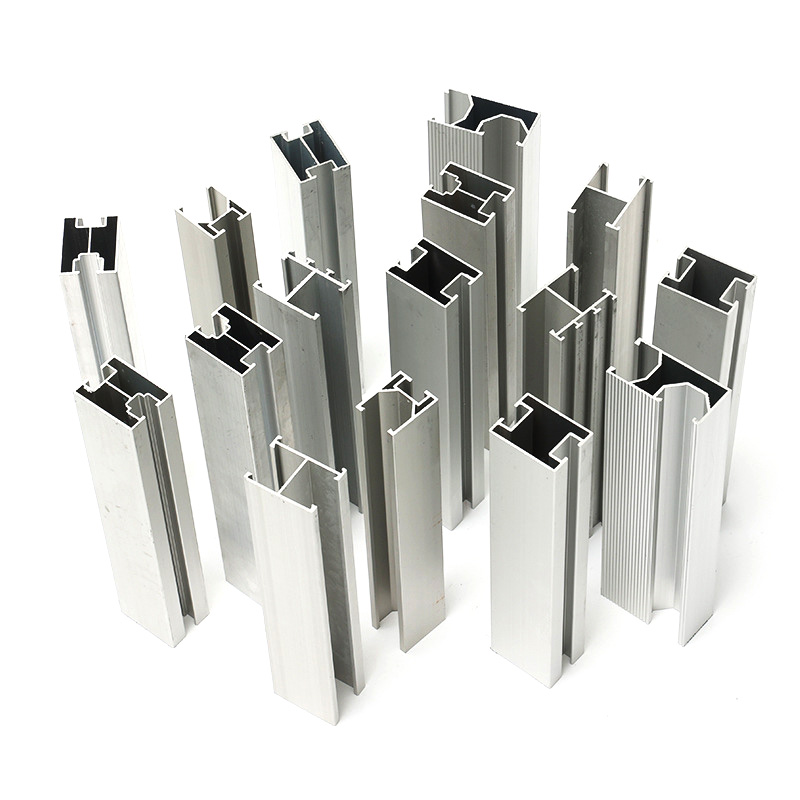
The die is the final component through which the processed material is forced. It has a carefully designed shape that determines the cross - sectional shape of the extruded product. Dies can be made for a variety of shapes, such as flat sheets, round pipes, or intricate profiles for window frames in the construction industry.
How Do Extruders Work?
Material Preparation
Before the extrusion process begins, the raw material needs to be in a suitable state. For plastics, this may involve drying the pellets to remove any moisture, as moisture can cause defects in the final product. In food extrusion, ingredients are often pre - mixed to ensure a homogeneous product.
Melting and Conveying
Once the material is fed into the barrel, the rotation of the screw starts to move it forward. As the material progresses along the barrel, the heat from the barrel walls and the frictional heat generated by the screw - material interaction cause the material to melt. In the case of thermoplastics, they transition from a solid - state to a viscous, molten state.
Mixing and Pressurizing
The screw design is crucial for proper mixing of the molten material. Different sections of the screw may have varying pitch and flight depth, which helps in thoroughly blending additives, colorants, or reinforcements (if any) into the base material. At the same time, the screw compresses the material, building up pressure. This pressure is necessary to force the material through the die.
Extrusion Through the Die
When the molten and pressurized material reaches the die, it is forced through the die opening. The shape of the die imparts its form to the material, and as the material exits the die, it starts to cool and solidify. In some cases, post - extrusion processes like cooling in a water bath or air - cooling are used to speed up the solidification process.
Types of Extruders
Single - Screw Extruders
- Working Principle
Single - screw extruders have a single screw inside the barrel. They are the most common type of extruders and are widely used for processing thermoplastics. The screw rotates, which conveys the material along the barrel, melts it, and pressurizes it for extrusion through the die.
- Applications
They are used in the production of a wide range of plastic products such as pipes, sheets, films, and profiles. In the packaging industry, single - screw extruders are used to make plastic packaging materials like plastic bags and containers.
- Advantages and Limitations
Advantages include simplicity of design, lower cost compared to some other types, and relatively easy maintenance. However, they may not be as effective in mixing highly viscous materials or materials that require complex blending as some other types of extruders.
Twin - Screw Extruders
- Working Principle
Twin - screw extruders have two screws inside the barrel, which can rotate in the same direction (co - rotating) or in opposite directions (counter - rotating). The screws are often intermeshing, which provides better mixing and conveying capabilities compared to single - screw extruders.
- Applications
They are commonly used in compounding processes, where different polymers, additives, and fillers need to be thoroughly mixed. Twin - screw extruders are also used in the production of high - performance plastics, as they can handle materials with high viscosity and achieve better dispersion of additives.
- Advantages and Limitations
Advantages include superior mixing ability, higher throughput, and better control over the extrusion process. However, they are more complex in design, more expensive to purchase and maintain compared to single - screw extruders.
Ram Extruders
- Working Principle
Ram extruders use a reciprocating ram to push the material through the die. The material is first loaded into a chamber, and then the ram moves forward, applying pressure to force the material through the die.
- Applications
They are often used for processing materials that are difficult to handle with screw - type extruders, such as certain metals and some high - viscosity polymers. Ram extruders are also used in the production of small - batch, high - precision parts.
- Advantages and Limitations
Advantages include the ability to handle materials that are not easily processed by other extruders and the potential for high - pressure extrusion. However, they have a lower production rate compared to screw - type extruders and are more labor - intensive in terms of loading the material.
Applications of Extruders
Plastics Industry
- Pipe and Profile Extrusion
Extruders are used to produce plastic pipes for various applications, such as water supply, drainage, and gas pipelines. The ability to create pipes with different diameters and wall thicknesses makes extruders essential in this field. In addition, plastic profiles for window frames, door frames, and other construction components are also produced using extruders.
- Film and Sheet Extrusion
Plastic films for packaging, agriculture (greenhouse films), and industrial applications are made using extruders. The process involves extruding a thin layer of molten plastic, which is then cooled and stretched to form the desired film thickness. Similarly, plastic sheets used in construction, signage, and other industries are produced by extruding a thicker layer of plastic and cooling it to a solid state.
- Plastic Recycling
Extruders play a crucial role in plastic recycling. Recycled plastic materials can be processed through extruders to create new products. The extruder can melt and re - shape the recycled plastic, removing any impurities and ensuring a consistent quality for the new product.
Food Industry
- Extruded Snacks
Many popular snack foods, such as corn puffs, cheese curls, and breakfast cereals, are produced using food extruders. The raw materials, which usually include grains, starches, and flavorings, are cooked, shaped, and expanded during the extrusion process. The high temperature and pressure inside the extruder cause the moisture in the ingredients to vaporize, resulting in the characteristic puffed texture of these snacks.
- Pasta and Noodle Production
Extruders are used to shape dough into various pasta and noodle shapes. The dough is forced through dies with specific cross - sectional shapes, and then cut to the appropriate length. This process allows for the mass production of consistent - quality pasta and noodles.
- Textured Vegetable Protein (TVP) Production
TVP, which is used as a meat substitute in many vegetarian and vegan products, is produced through extrusion. The plant - based protein sources are processed in an extruder, where they are cooked, textured, and formed into shapes that resemble meat products.
Construction Industry
- Extruded Building Materials
In addition to plastic profiles for windows and doors, extruders are used to produce other building materials. For example, aluminum extrusions are widely used in construction for structural components, curtain walls, and handrails. The extrusion process allows for the creation of complex shapes with high strength - to - weight ratios.
- Insulation Materials
Extruded foam insulation materials, such as expanded polystyrene (EPS) and extruded polystyrene (XPS), are used in the construction industry to provide thermal insulation. These materials are produced by extruding a polymer - based material with blowing agents, which create a cellular structure within the material, resulting in excellent insulation properties.
Automotive and Aerospace Industries
- Automotive Components
Extruders are used to produce various automotive components, such as plastic trim parts, rubber seals, and aluminum alloy components. Plastic trim parts, like dashboard components and door panels, are often made through extrusion processes. Rubber seals, which are crucial for weatherproofing and noise reduction in vehicles, are also produced using extruders.
- Aerospace Applications
In the aerospace industry, extruded components are used for their high strength - to - weight ratios. Aluminum and titanium extrusions are used in the construction of aircraft frames, wings, and other structural components. The ability to produce complex shapes through extrusion allows for the creation of parts that are both lightweight and strong, meeting the strict requirements of the aerospace industry.
Conclusion
Extruders are versatile and essential machines in modern manufacturing. Their ability to shape a wide variety of materials into useful products has made them indispensable across numerous industries. Whether it's producing the plastic pipes that carry water to our homes, the delicious snacks we enjoy, or the high - tech components in our cars and airplanes, extruders play a vital role. As technology continues to advance, we can expect to see further improvements in extruder design and performance, opening up new possibilities for material processing and product development.
What is Extruded Aluminum? A Comprehensive Guide
How to Extrude in Blender: A Step - by - Step Guide
Related Article

Fast sampling is the fastest way to win business in the hardware machining and plastic mold industries. Customers want a working sample in days, and a 3D printer delivers it, but only when you know how to print in 3d correctly.
how to print in 3d

Fast sampling is the fastest way to win business in the hardware machining and plastic mold industries. Customers often send an STL file and expect a working sample in days.
how to print an stl file

