
Steel Knowledge Encyclopedia: Everything You Need to Know
1. Definition and Composition of Steel: Steel is an alloy primarily composed of iron and carbon, with carbon content typically ranging from 0.02% to 2.1%. It may also contain small amounts of other alloying elements such as manganese, silicon, phosphorus, sulfur, etc.
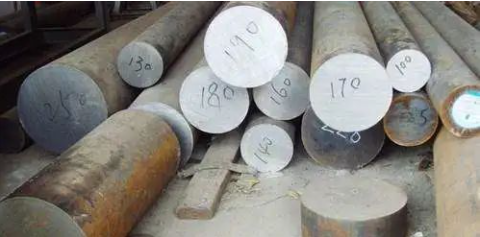
2. Classification of Steel: Steel can be classified based on various attributes and applications, such as carbon content, intended use, production methods, etc. Common classifications include carbon steel, alloy steel, stainless steel, wear-resistant steel, high-speed steel, and more.
3. Carbon Steel and Alloy Steel: Carbon steel refers to steel with relatively low carbon content, often containing only minor alloying elements. Alloy steel, on the other hand, contains alloying elements other than carbon, such as manganese, chromium, nickel, etc., to provide specific properties and characteristics.
4. Stainless Steel: Stainless steel possesses corrosion resistance due to its chromium content, which forms a protective chromium oxide layer, preventing oxidation and corrosion of the steel.
5. Steel Production Processes: Steel production typically involves processes like steelmaking, casting, and rolling. Steelmaking extracts iron from iron ore through smelting, reduction, and other processes. Casting and rolling then shape the extracted iron into various forms of steel.
6. Steel Properties: Steel properties include mechanical properties (strength, toughness, hardness, etc.), physical properties (density, thermal conductivity, etc.), and chemical properties (corrosion resistance, etc.). Different types of steel exhibit distinct performance characteristics.
7. Applications: Steel finds applications in construction structures, automobile manufacturing, shipbuilding, machinery manufacturing, power equipment, household appliances, aerospace, and more.
8. Steel Standards: Various countries and regions have established steel standards to ensure quality, performance, and safety. These standards typically specify aspects like chemical composition, mechanical properties, and processing methods.
9. Sustainability of Steel: The production and use of steel also involve environmental and sustainability considerations. Certain production processes and technologies have been developed to reduce energy consumption and environmental impact.
10. Advanced Steel Types: With technological advancements, new types of steel continue to emerge, such as high-strength steel, corrosion-resistant steel, high-temperature alloy steel, etc., catering to different material performance requirements.
This is a concise overview of steel-related information. The field of steel encompasses a wide range of topics, including many in-depth details and specialized knowledge.
Key Points Of Injection Mold Design For Bottom Shell Of Dynamic Monitor + 3d Drawing
Guangxi Nannan Aluminum: Analysis of 6061 Aluminum Alloy Extruded Ring Streaks and the Effect of Extrusion Process on Ring Streaks
Related Article



