
What is Sheet Metal Fabrication?
Author: SZTC
2025-05-10
Introduction
In the vast realm of manufacturing, sheet metal fabrication stands out as a crucial process. It serves as the backbone for creating a wide array of products that we encounter in our daily lives, from household appliances to automotive components. Understanding what sheet metal fabrication is, its processes, and applications is key for professionals in the manufacturing industry and enthusiasts alike.

Definition and Concept
Sheet metal fabrication is the process of transforming flat metal sheets into various shapes and structures through a series of mechanical operations. These metal sheets, which can be made from materials like steel, aluminum, copper, or stainless steel, typically range in thickness from thin foils to relatively thick plates. The goal is to create customized components with specific dimensions, shapes, and functions, which are then used in countless products and structures across different industries.
Key Characteristics
Sheet metal has unique properties that make it ideal for fabrication. It offers a combination of strength, durability, and flexibility. Its flat starting form allows for efficient use of materials, and it can be easily manipulated into complex geometries, providing designers and manufacturers with great creative freedom in product development.
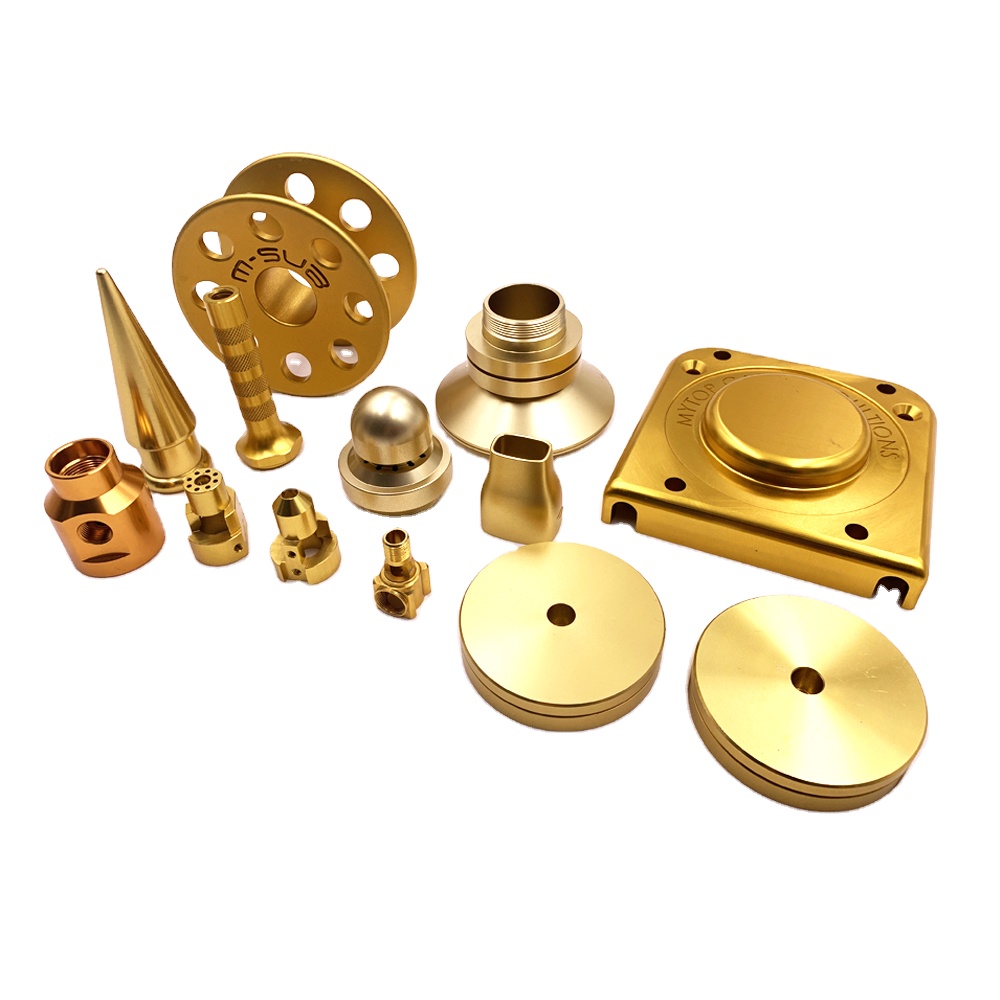
Cutting
Cutting is the initial step in sheet metal fabrication, where the large metal sheets are divided into smaller, more manageable pieces. There are several cutting methods available. Shearing is a common technique, which uses a pair of sharp blades to cut through the sheet metal in a straight line. Laser cutting, on the other hand, employs a high - intensity laser beam to precisely cut intricate shapes, offering high accuracy and the ability to work with a variety of metal thicknesses. Plasma cutting is another option, especially suitable for thicker conductive metals, as it uses a high - velocity jet of ionized gas to melt and remove the metal.
Bending
After cutting, the metal pieces often need to be bent to the desired shape. Press brakes are the most commonly used equipment for this task. They apply pressure to the metal sheet, causing it to bend along a specific axis. The operator can control the angle, length, and radius of the bend, allowing for the creation of complex 3D shapes. Roll bending is also used in some cases, where the metal sheet is passed through a set of rolls that gradually shape it into a curved form, like a cylindrical or conical structure.
Forming
Forming processes are used to create more complex shapes that cannot be achieved solely through cutting and bending. Stamping is a popular forming method, where a punch and die set is used to cut, bend, or shape the sheet metal in a single operation. Deep drawing is another forming technique, which involves pulling a flat sheet of metal into a die cavity to create a cup - like or box - like shape. These forming processes enable the production of parts with precise contours and specific functional requirements.
Joining
Once the individual sheet metal parts are fabricated, they need to be joined together. Welding is a common joining method, which creates a strong bond by melting the metal at the joint and allowing it to cool and solidify. Other joining techniques include riveting, where rivets are used to fasten the parts together, and using screws or bolts, which offer the advantage of being removable for assembly and disassembly.
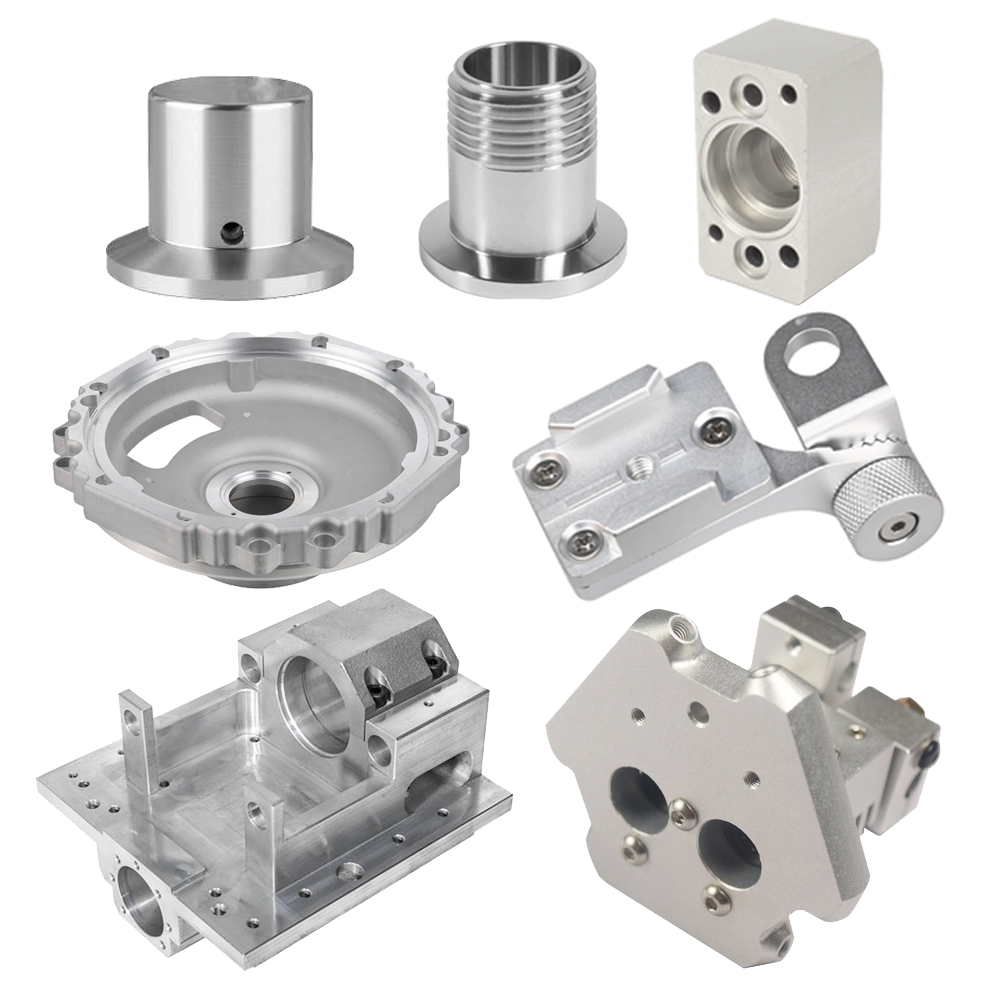
In the Automotive Industry
Sheet metal fabrication is extensively used in the automotive sector. Components such as car bodies, engine covers, door panels, and chassis parts are all made through sheet metal fabrication processes. The ability to create lightweight yet strong structures is crucial for improving fuel efficiency and vehicle performance.
In the Electronics Industry
In electronics, sheet metal is used to fabricate enclosures for devices like computers, servers, and consumer electronics. These enclosures protect the internal components from physical damage, electromagnetic interference, and environmental factors, while also providing a platform for heat dissipation.
In Construction and Architecture
Sheet metal is employed in construction for various applications, including roofing, siding, ductwork, and structural components. Its durability and weather - resistance make it a preferred choice for exterior building elements, and its formability allows for the creation of aesthetically pleasing architectural designs.
What Do Metal Fabricators Do?
What is Metal Fabrication and Welding
Related Article

Fast sampling is the fastest way to win business in the hardware machining and plastic mold industries. Customers want a working sample in days, and a 3D printer delivers it, but only when you know how to print in 3d correctly.
how to print in 3d

Fast sampling is the fastest way to win business in the hardware machining and plastic mold industries. Customers often send an STL file and expect a working sample in days.
how to print an stl file

