
Professor Du Jun from South China University of Technology: The relationship between microstructure evolution and thermal conductivity of Mg-Sn-Ca alloy
Author: Du Jun
2023-08-26
Sustainable development and environmental protection put forward more requirements on metal materials, such as lightweight and recyclability. As the lightest metal structural material, magnesium alloy has received extensive attention. At present, the application of magnesium alloys mainly exists in the transportation industry and 3C products, which often work in hot environments. Compared with the mechanical properties, studies on the thermodynamic properties of magnesium alloys are still limited.
Pure Mg has good thermal conductivity, but its low mechanical properties cannot meet the needs of applications. Adding alloying elements is an effective means to control the properties of magnesium alloys, but alloying elements will have an adverse effect on the thermal conductivity of pure magnesium. As the most popular commercial magnesium alloys, the thermal conductivity of Mg-Al series alloys is not ideal. However, Mg-Al-La alloys with excellent thermal conductivity and mechanical properties were obtained by adding rare earth elements and a hot extrusion process. It can be foreseen that it is a convenient and effective method to improve the thermal conductivity of binary magnesium alloys by introducing appropriate alloying elements. In addition, processes such as heat treatment and deformation are often introduced to improve the thermal conductivity of Mg-Zn series alloys.
Mg-Sn-based alloys, as heat-resistant alloys without RE, have gradually attracted the attention of researchers in recent years. Based on this, the research group of Professor Du Jun from the South China University of Technology studied the role of the tin-rich region in the change of thermal conductivity of Mg-Sn-Ca alloy and revealed the relationship between the microstructure evolution of the alloy and the change of thermal conductivity. The relevant research results were published in the journal "Journal of Materials Research" entitled "Relationship between microstructure evolution and thermal conductivity of Mg–Sn–Ca alloys".
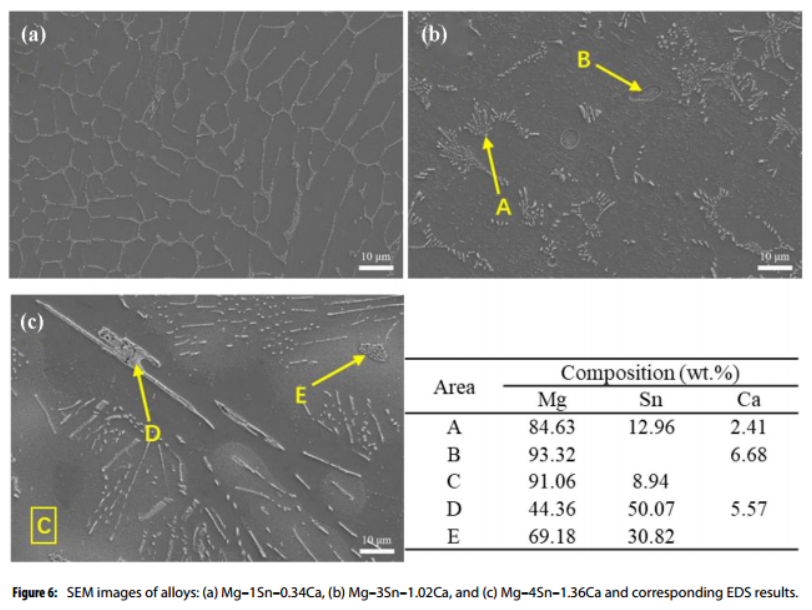
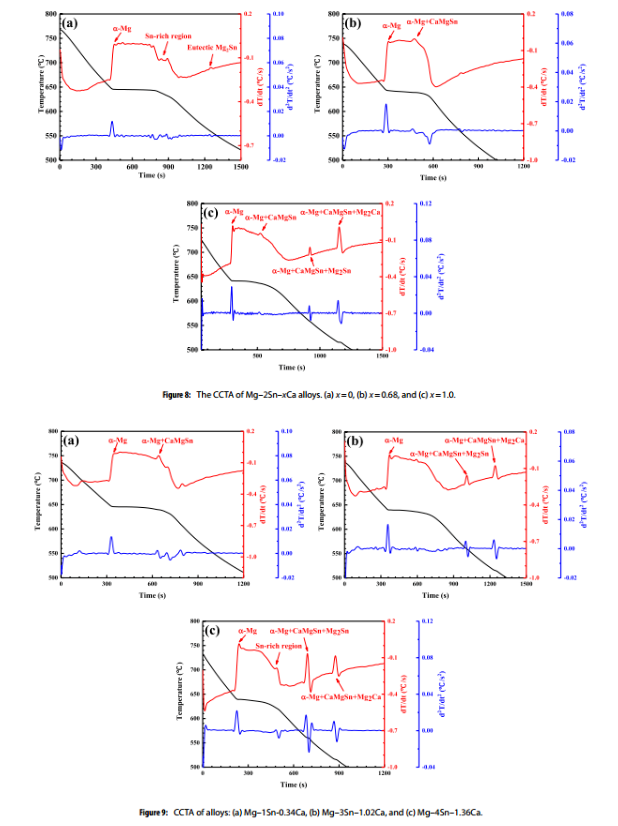
The results show that besides the α-Mg phase, there are many Sn-rich regions in the Mg-2Sn alloy. After the addition of Ca, the Sn-rich region gradually disappeared and a CaMgSn phase was formed. Excess Ca induced the formation of Mg2Ca phase, resulting in CaMgSn phase from continuous network to discontinuous distribution. The Mg-Sn-Ca alloys exhibited different solidification behaviors with increasing Sn and Ca contents. Mg2Sn phase and Mg2Ca phase exist in Mg-3Sn-1.02 Ca alloy. Rod-like CaMgSn phases and Sn-rich regions appear in Mg-4Sn-1.36Ca alloys.
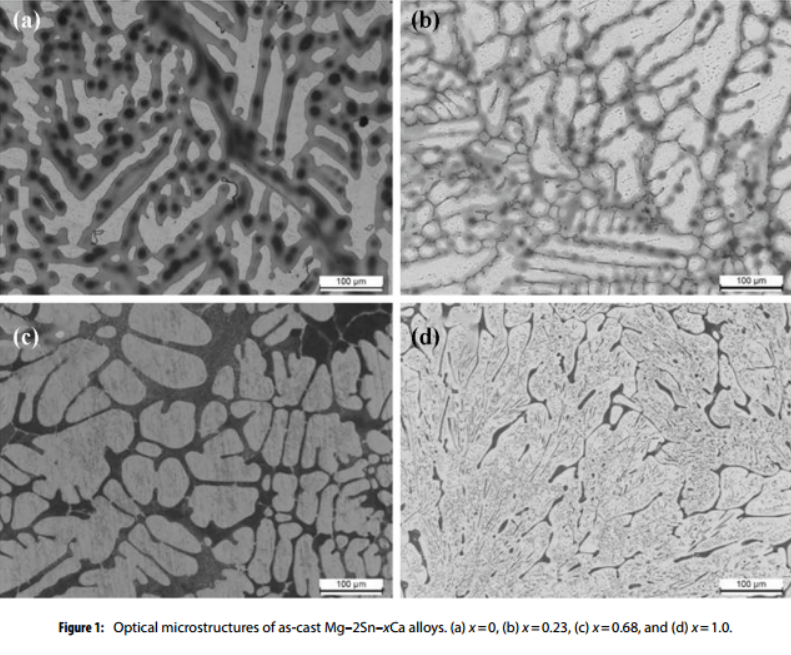
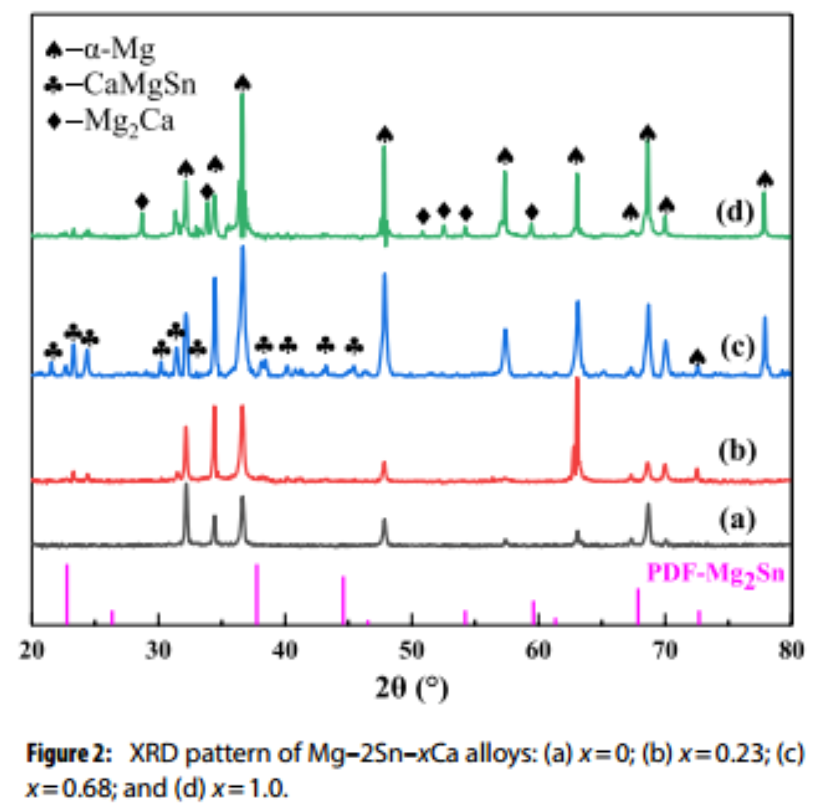
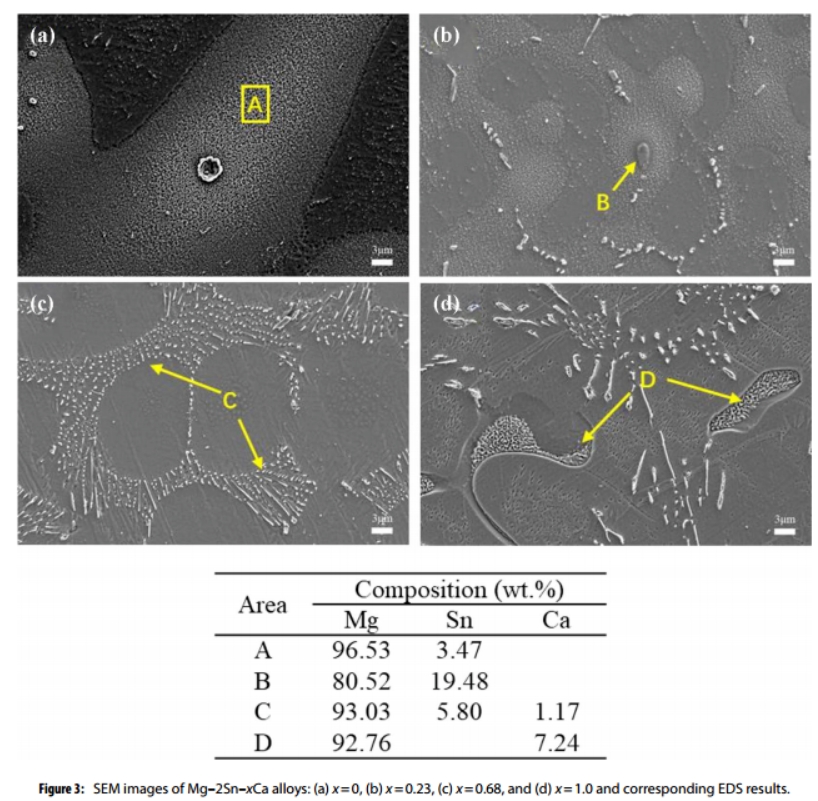
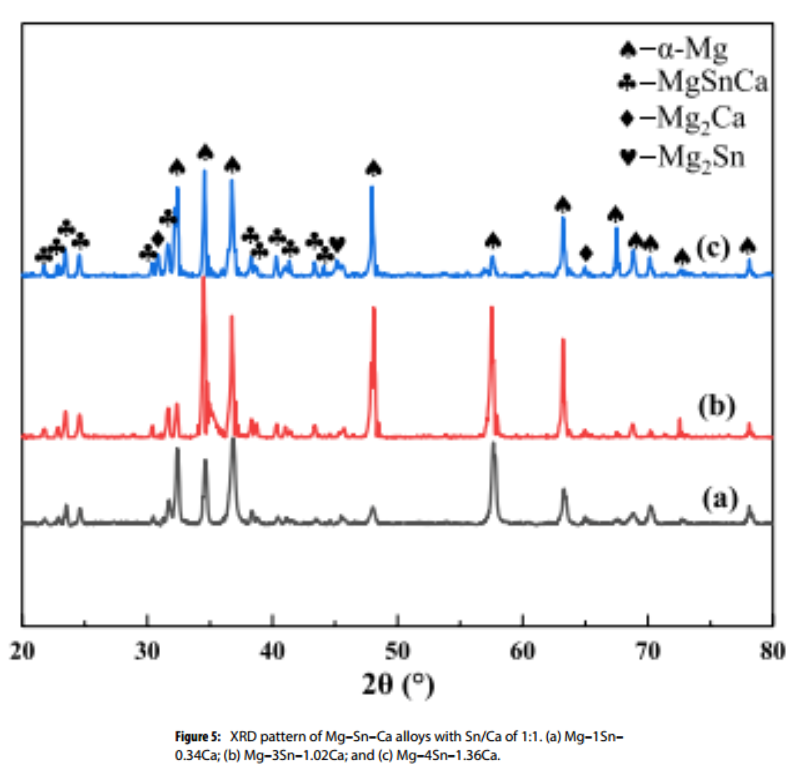
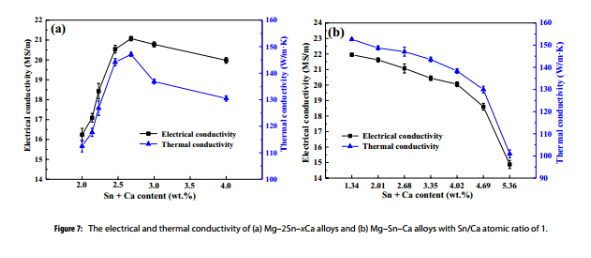
The correlation coefficient between thermal conductivity and electrical conductivity of Mg-Sn-Ca alloy is about 6.88 (× 10-6·V-2·K-1). When the molar ratio of Sn and Ca is 1:1, the thermal conductivity of Mg-2Sn alloy increases from 112 W/(m·K) to 147 W/(m·K). When the Sn content exceeds 3%, the thermal conductivity of the alloy decreases rapidly. The obvious Sn region reappeared in the Mg-4Sn-1.36Ca alloy with high Sn+Ca content, resulting in a rapid decrease in the thermal conductivity of the Mg-Sn-Ca alloy when the Sn content exceeded 3%.
Survey study: Additive manufacturing, opening new phases in series production
Professor Jinchuan Jie from Dalian University of Technology: Cu-Pb-Sn immiscible solidification structure formation and heavy-duty bearing preparation research
Related Article

Fast sampling is the fastest way to win business in the hardware machining and plastic mold industries. Customers want a working sample in days, and a 3D printer delivers it, but only when you know how to print in 3d correctly.
how to print in 3d

Fast sampling is the fastest way to win business in the hardware machining and plastic mold industries. Customers often send an STL file and expect a working sample in days.
how to print an stl file

