
Is Aluminum Alloy Strong?
Author: SZTC
2025-04-10
Introduction
Aluminum alloys have become an integral part of numerous industries, from construction to transportation. A common question that often comes to mind is, "Is aluminum alloy strong?" In this blog, we will delve deep into the factors that determine the strength of aluminum alloys and how they measure up in various applications.
Understanding Aluminum Alloys
What Constitutes an Aluminum Alloy
An aluminum alloy is a blend of aluminum with one or more other elements such as copper, magnesium, silicon, zinc, and manganese. These additional elements are added in specific ratios to modify the properties of pure aluminum. For example, adding copper to aluminum can enhance its strength and hardness, while magnesium can improve its corrosion resistance and weldability.
Why Alloys are Created
Pure aluminum, although lightweight and corrosion - resistant, lacks the strength required for many structural applications. By creating alloys, manufacturers can engineer materials with tailored properties. The goal is to combine the beneficial traits of different elements to achieve a material that is not only strong but also lightweight, which is highly desirable in industries where weight reduction is crucial, like aerospace.

Factors Influencing the Strength of Aluminum Alloys
Alloying Elements
- Copper: Copper is a common alloying element in aluminum alloys. Alloys with a significant amount of copper, such as the 2000 - series (e.g., 2024), are known for their high strength. Copper forms intermetallic compounds within the aluminum matrix, which act as barriers to the movement of dislocations in the crystal structure. This resistance to dislocation movement results in increased strength.
- Magnesium and Silicon: In alloys like the 6000 - series (e.g., 6061), magnesium and silicon are added. These elements combine to form magnesium - silicon (Mg₂Si) precipitates. These precipitates strengthen the alloy through a process called precipitation hardening. When the alloy is heat - treated, these fine precipitates are formed, which impede the movement of dislocations, thereby increasing the alloy's strength.
- Zinc: The 7000 - series aluminum alloys, which contain zinc as a major alloying element, are among the strongest aluminum alloys. Zinc, often in combination with other elements like magnesium and copper, can create very complex and hard - to - move precipitates. This makes 7075, a popular 7000 - series alloy, extremely strong and suitable for high - stress applications.
Heat Treatment
- Solution Heat Treatment: This is the first step in heat - treating many aluminum alloys. The alloy is heated to a specific temperature and held there for a period. During this time, the alloying elements dissolve into the aluminum matrix. For example, in a 6061 alloy, the magnesium and silicon dissolve into the aluminum lattice. This creates a supersaturated solid solution.
- Quenching: After solution heat treatment, the alloy is rapidly cooled, usually by quenching in water. This rapid cooling "traps" the dissolved alloying elements in the lattice, creating a metastable structure. The alloy is now in a relatively soft state but has the potential for significant strengthening.
- Aging: Aging is the final step. The quenched alloy is either left at room temperature (natural aging) or heated to a moderate temperature (artificial aging). During aging, the alloying elements that were trapped in the lattice during quenching start to form fine precipitates. These precipitates are what give the alloy its increased strength.
Manufacturing Processes
- Forging: Forged aluminum alloys tend to have higher strength compared to cast alloys. In forging, the material is shaped under high pressure. This process aligns the grain structure of the alloy, which can improve its mechanical properties. The continuous grain flow in a forged part can better withstand applied forces, resulting in higher strength.
- Extrusion: Extrusion involves pushing the aluminum alloy through a die to create a specific cross - sectional shape. This process can also enhance the strength of the alloy. The plastic deformation during extrusion refines the grain structure, making the alloy stronger. Additionally, the surface finish obtained through extrusion can be beneficial for corrosion resistance, which in turn can contribute to the long - term strength of the component.

Applications Demonstrating Aluminum Alloy Strength
Aerospace Industry
- Aircraft Structures: Aluminum alloys are extensively used in aircraft construction. The fuselage, wings, and landing gear often incorporate high - strength aluminum alloys. For example, the 7075 alloy is used in aircraft wing spars and other critical structural components. Its high strength - to - weight ratio allows for the construction of lightweight yet robust structures that can withstand the extreme forces experienced during flight, such as high - altitude air pressure differentials and the stresses of takeoff and landing.
- Engine Components: Some engine components, like compressor blades, are made from aluminum alloys. Alloys with high - temperature strength, such as those in the 2000 - series, are used. These alloys can maintain their strength even when exposed to the elevated temperatures within an aircraft engine.

Automotive Industry
- Vehicle Frames: Many modern cars use aluminum alloy frames to reduce weight and improve fuel efficiency. Alloys like 6061 and 6082 are commonly used. These alloys offer a good balance of strength and formability. The frame needs to be strong enough to protect the passengers in the event of a collision, and the use of aluminum alloys allows for the design of a lightweight yet rigid structure.
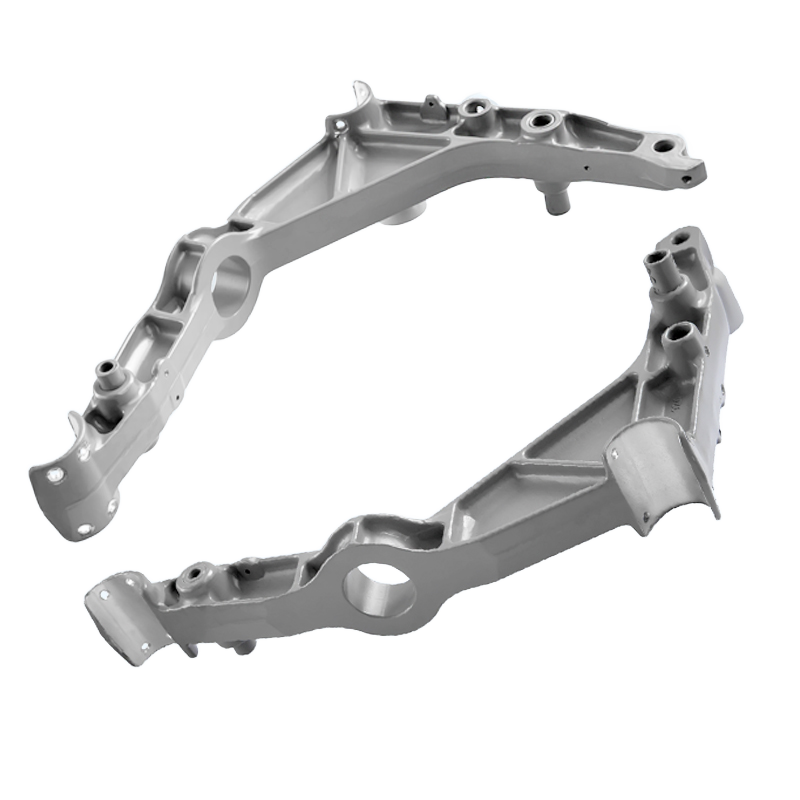
- Suspension Components: Aluminum alloy suspension components, such as control arms and knuckles, are also prevalent. These components need to be strong to withstand the forces exerted during driving, including the impacts from uneven roads. The use of aluminum alloys in these parts not only reduces the unsprung weight of the vehicle but also provides the necessary strength for reliable performance.

In conclusion, aluminum alloys can be extremely strong. The combination of carefully selected alloying elements, appropriate heat treatment, and suitable manufacturing processes allows for the creation of aluminum alloys with a wide range of strengths. Their strength, combined with their lightweight nature and corrosion resistance, makes them an ideal choice for a vast number of applications across multiple industries. Whether it's in the skies with aircraft or on the roads with cars, aluminum alloys have proven their strength time and time again.
What is Embossed Metal? A Deep Dive
Is Alloy the Same as Aluminum?
Related Article

Fast sampling is the fastest way to win business in the hardware machining and plastic mold industries. Customers want a working sample in days, and a 3D printer delivers it, but only when you know how to print in 3d correctly.
how to print in 3d

Fast sampling is the fastest way to win business in the hardware machining and plastic mold industries. Customers often send an STL file and expect a working sample in days.
how to print an stl file

