
Is 3D Printed Metal as Strong as Forged?
Author: SZTC
2025-04-16
In the world of manufacturing, the age - old process of forging has long been revered for producing high - strength metal components. With the advent of 3D printing technology, a new contender has entered the ring. But the question remains: is 3D printed metal as strong as forged? Let's dive in and find out.
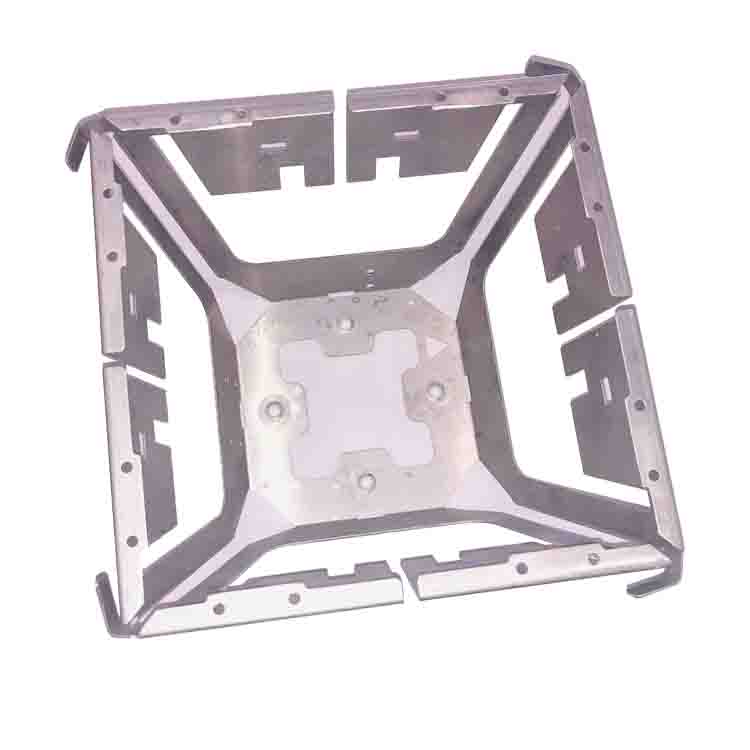
Understanding Forged Metals
Forging is a manufacturing process where metal is shaped by the application of compressive forces. This can be done through methods like hammering, pressing, or rolling. The high - pressure application during forging aligns the metal's grain structure in a way that enhances its mechanical properties. For example, in the forging of a steel automotive crankshaft, the repeated hammering and shaping cause the steel's grains to elongate along the length of the part. This alignment gives the crankshaft excellent strength and fatigue resistance, crucial for withstanding the high - stress, cyclic loading conditions in an engine.
Strength Characteristics of Forged Metals
Forged metals typically exhibit high tensile strength, meaning they can withstand a large amount of pulling force before breaking. They also have good ductility, which allows them to deform plastically without fracturing under stress. The combination of these properties makes forged components highly reliable in demanding applications such as aerospace, where parts need to endure extreme conditions. For instance, forged titanium alloy parts in aircraft engines can withstand high temperatures, high pressures, and significant mechanical stress during flight.

The Rise of 3D Printed Metals
How 3D Printing Works for Metals
3D printing, or additive manufacturing, builds metal parts layer by layer. There are different techniques, such as powder - bed fusion, where a high - energy laser or electron beam selectively fuses metal powder particles together. In a typical powder - bed fusion process for 3D printing a metal part, a thin layer of metal powder is spread across a build platform. The laser then traces the cross - sectional shape of the part for that layer onto the powder, melting and fusing the particles. This process is repeated layer by layer until the entire part is formed.
Strength Considerations in 3D Printed Metals
Initially, 3D printed metals had some limitations in terms of strength. The layer - by - layer construction could sometimes lead to weak points or porosity within the part. However, significant advancements have been made. Modern 3D printing techniques and post - processing methods have been developed to improve the strength of 3D printed metals. For example, heat treatment after 3D printing can relieve internal stresses and improve the material's microstructure, enhancing its strength. Some 3D printed metals now rival the strength of their forged counterparts in certain applications.
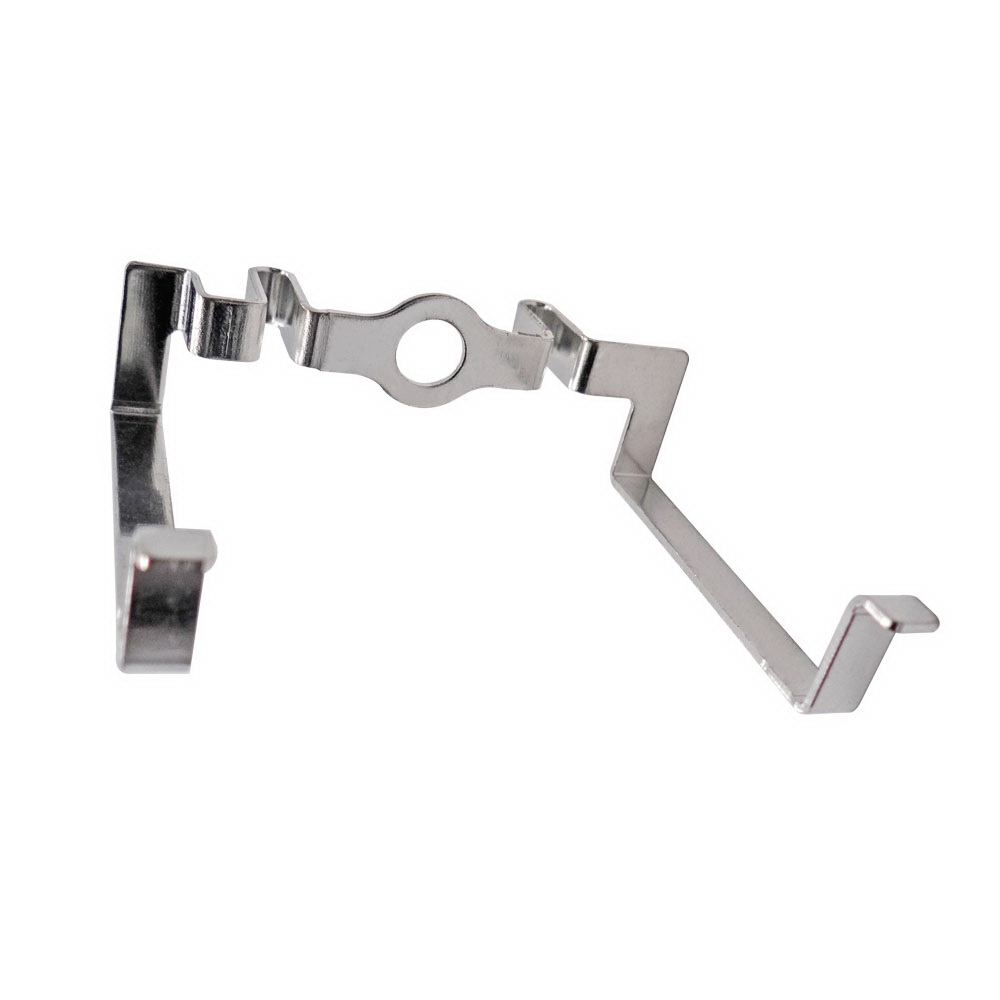
Comparing Strength: 3D Printed vs Forged
Tensile Strength Comparison
Research studies have shown that in some cases, 3D printed metals can achieve tensile strength levels similar to forged metals. For example, a recent study on 3D printed aluminum alloys found that with optimized printing parameters and post - processing, the tensile strength of the 3D printed parts was within 90% of that of traditionally forged aluminum. This is remarkable considering the differences in manufacturing processes. However, it's important to note that the results can vary depending on the specific metal alloy, the 3D printing technique used, and the complexity of the part.
Fatigue Strength
Fatigue strength, which is the ability of a material to withstand repeated loading without failure, has been a concern for 3D printed metals. The layer interfaces in 3D printed parts were initially thought to be potential sites for crack initiation under cyclic loading. But again, through improved manufacturing processes and surface treatments, 3D printed metals are closing the gap. Some advanced 3D printed metal components now show fatigue strength comparable to forged parts in applications with relatively low - cycle fatigue requirements. For example, in certain custom - made tooling applications where the part experiences a limited number of loading cycles, 3D printed metals can perform just as well as forged ones in terms of fatigue resistance.
Applications Where Strength Matters
In the aerospace industry, both forged and 3D printed metals are used. For highly critical components like jet engine turbine blades, forged metals are still the dominant choice due to their long - established track record of high - strength performance under extreme conditions. However, 3D printed metals are increasingly being used for less - critical structural components where their design flexibility can be exploited while still meeting the required strength standards. In the automotive industry, 3D printed metal parts are being used for prototyping and low - volume production of components like brackets and engine mounts. As the technology continues to improve, the strength of these 3D printed parts is becoming more than adequate for such applications.
In conclusion, while forged metals have a long - standing reputation for strength, 3D printed metals are rapidly catching up. In many applications, with the right materials, processes, and post - processing, 3D printed metals can indeed be as strong as forged metals. The future of manufacturing may well see an increasing co - existence of these two techniques, each being used where their unique advantages in terms of strength and other properties can be best utilized.
What is CNC Milling: A Comprehensive Introduction
What is Metal Forging?
Related Article

Fast sampling is the fastest way to win business in the hardware machining and plastic mold industries. Customers want a working sample in days, and a 3D printer delivers it, but only when you know how to print in 3d correctly.
how to print in 3d

Fast sampling is the fastest way to win business in the hardware machining and plastic mold industries. Customers often send an STL file and expect a working sample in days.
how to print an stl file

