
How Many Axes in CNC Machine: A Comprehensive Guide
Author: SZTC
2025-04-12
Introduction
CNC (Computer Numerical Control) machines have revolutionized the manufacturing industry. One of the key aspects of these machines is the number of axes they possess. The axes determine the machine's capabilities and the complexity of the tasks it can perform.
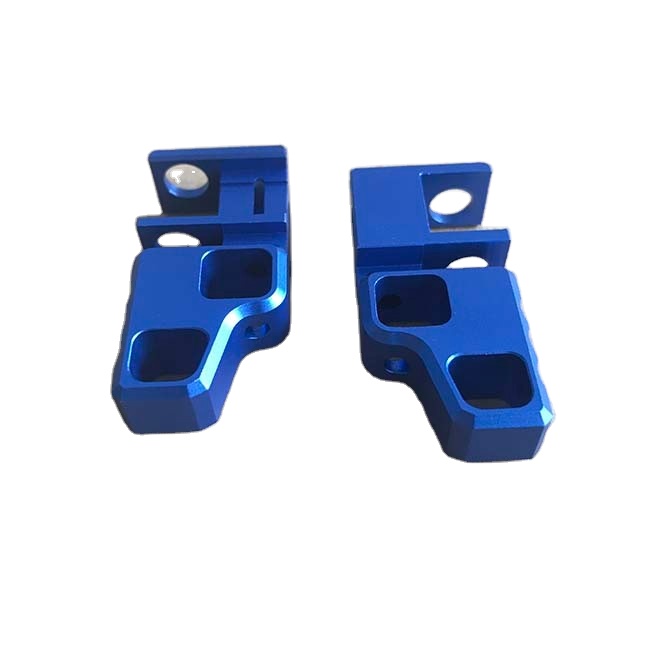
Understanding Axes in CNC Machines
What is an Axis?
In the context of CNC machines, an axis refers to a direction of movement. The most common axes are the X, Y, and Z axes, which are perpendicular to each other, similar to the three - dimensional coordinate system. Each axis is controlled by a motor that enables precise movement.
Types of Axes
- Linear Axes
- X - Axis: This is typically the horizontal axis in a CNC machine. In a milling machine, for example, the X - axis movement is used to move the table left or right.
- Y - Axis: Perpendicular to the X - axis, the Y - axis is also horizontal. It moves the table forward or backward in a milling machine.
- Z - Axis: The Z - axis is vertical. In a milling machine, it controls the up - and - down movement of the spindle, which holds the cutting tool.
- Rotary Axes
- A - Axis: This is a rotary axis that rotates around the X - axis. It is often used in multi - axis machining centers to tilt the workpiece or the cutting tool, allowing for more complex cuts.
- B - Axis: Rotates around the Y - axis. For example, in a 5 - axis CNC machine, the B - axis can be used to create angled cuts on a workpiece.
- C - Axis: Rotates around the Z - axis. It enables circular movements and is useful for machining parts with circular features or for performing operations like drilling holes at different angles around a cylindrical workpiece.
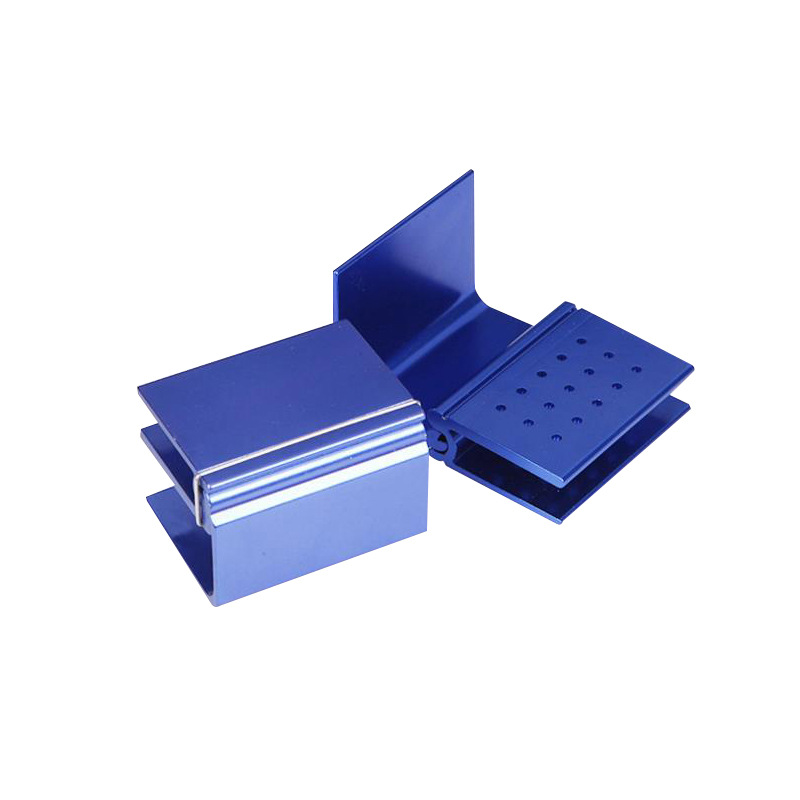
How Many Axes in Different CNC Machines?
3 - Axis CNC Machines
3 - axis CNC machines are the most basic and widely used. They consist of the X, Y, and Z axes. These machines are great for simple machining operations such as milling flat surfaces, drilling holes, and cutting basic shapes. For example, in woodworking, a 3 - axis CNC router can be used to cut out flat patterns from a sheet of wood.
4 - Axis CNC Machines
A 4 - axis CNC machine adds a rotary axis to the 3 - axis configuration. Usually, it is the C - axis, which allows the workpiece to rotate around the Z - axis. This extra axis enables the machining of parts with circular symmetry more efficiently. For instance, in the production of shafts or gears, a 4 - axis machine can perform operations that are difficult or impossible with a 3 - axis machine.
5 - axis CNC machines are highly versatile. They combine three linear axes (X, Y, Z) with two rotary axes (usually A and C or B and C). This combination allows the cutting tool to approach the workpiece from any angle. 5 - axis machines are used in industries such as aerospace, where complex parts like turbine blades need to be machined with high precision.
More Than 5 - Axis CNC Machines
Although less common, there are CNC machines with more than 5 axes. These machines, such as 6 - axis or even 7 - axis machines, offer even greater flexibility. They may have additional linear or rotary axes that can be used for very specialized applications, like machining complex molds or prosthetics.
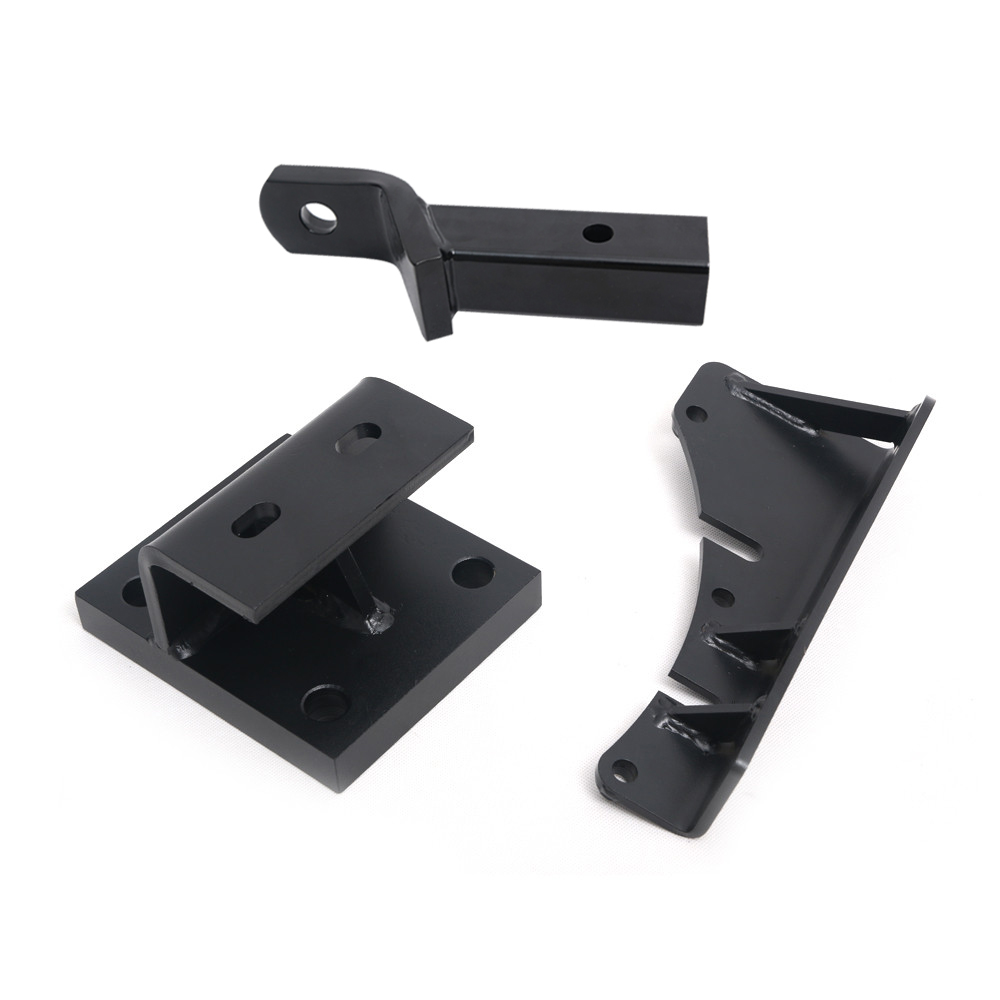
The number of axes in a CNC machine is a crucial factor in determining its capabilities. From the basic 3 - axis machines suitable for simple tasks to the highly advanced multi - axis machines capable of intricate machining, each configuration serves a specific purpose in the manufacturing world. Understanding the axes and their functions can help manufacturers choose the right CNC machine for their production needs.
What is Metal Fabrication: Unveiling the Process
What is Embossed Metal? A Deep Dive
Related Article

Fast sampling is the fastest way to win business in the hardware machining and plastic mold industries. Customers want a working sample in days, and a 3D printer delivers it, but only when you know how to print in 3d correctly.
how to print in 3d

Fast sampling is the fastest way to win business in the hardware machining and plastic mold industries. Customers often send an STL file and expect a working sample in days.
how to print an stl file

