
Does Zinc Alloy Tarnish? Unveiling the Truth
Author: SZTC
2025-04-18
Zinc alloy is a popular material used in a wide range of products, from jewelry and home decor to automotive parts and electronics. One common question that arises among consumers and manufacturers alike is, “Does zinc alloy tarnish?” To answer this question comprehensively, let’s delve into the properties of zinc alloy, the tarnishing process, and factors that influence its susceptibility to tarnish.
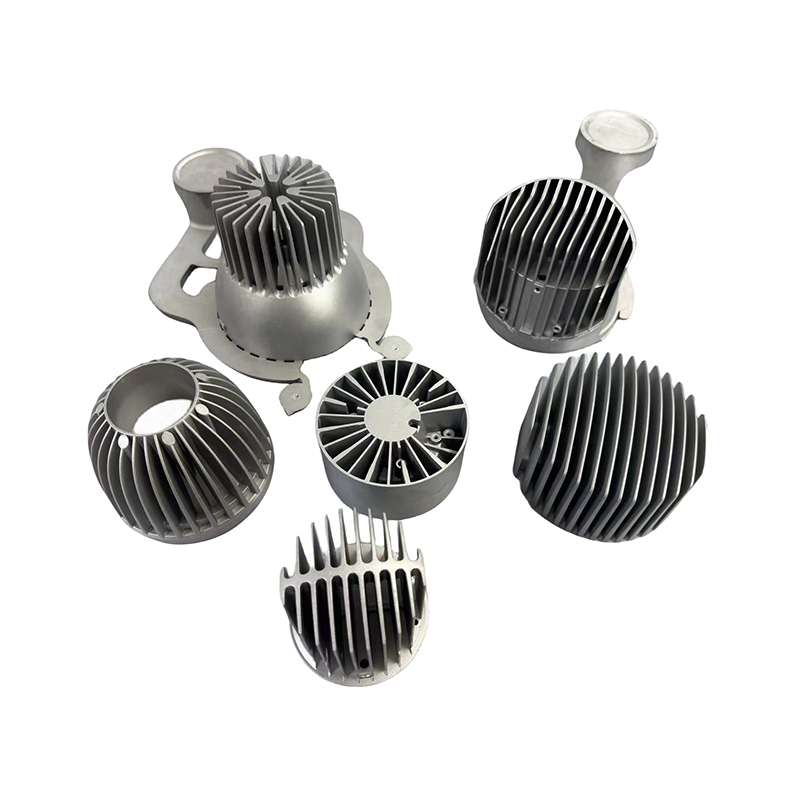
Understanding Zinc Alloy
Zinc alloy is an alloy made primarily of zinc, often combined with other metals such as aluminum, copper, and magnesium. This combination of metals results in a material that is strong, durable, and resistant to corrosion. Zinc alloy is also known for its excellent casting properties, making it ideal for creating intricate designs and shapes.
One of the key advantages of zinc alloy is its natural resistance to oxidation. Zinc forms a thin layer of zinc oxide on its surface when exposed to air, which acts as a protective barrier against further corrosion. This property makes zinc alloy a popular choice for products that require a long - lasting, corrosion - resistant finish.

The Tarnishing Process
While zinc alloy is generally resistant to tarnishing, it is not completely immune. Tarnish is a thin layer of corrosion that forms on the surface of metals when they react with oxygen, moisture, and other environmental factors. In the case of zinc alloy, tarnish can occur when the protective zinc oxide layer is damaged or compromised.
Several factors can contribute to the tarnishing of zinc alloy. Exposure to moisture, humidity, and acidic substances can speed up the oxidation process and cause the metal to tarnish more quickly. Additionally, contact with certain chemicals, such as chlorine and sulfur, can also lead to tarnishing.

Factors Affecting Zinc Alloy Tarnish
Environmental Conditions
Environmental factors play a significant role in the tarnishing of zinc alloy. High humidity levels and prolonged exposure to moisture can increase the likelihood of tarnish formation. Similarly, exposure to acidic substances, such as vinegar and lemon juice, can corrode the metal and cause it to tarnish.
Handling and Storage
How zinc alloy products are handled and stored can also impact their susceptibility to tarnish. Fingerprints, sweat, and oils from the skin can leave residue on the surface of the metal, which can lead to tarnish over time. To prevent this, it’s important to handle zinc alloy products with clean, dry hands and store them in a dry, cool place.
Coating and Finish
The type of coating or finish applied to zinc alloy can also affect its resistance to tarnish. Some zinc alloy products are coated with a protective layer, such as clear lacquer or enamel, to prevent tarnishing. These coatings act as a barrier between the metal and the environment, reducing the risk of oxidation and tarnish.

Preventing and Removing Tarnish
Prevention
To prevent zinc alloy from tarnishing, it’s important to keep the metal clean and dry. Regularly wipe down zinc alloy products with a soft, dry cloth to remove any dirt, dust, or moisture. Avoid exposing the metal to harsh chemicals, acidic substances, and high humidity environments.
If you’re storing zinc alloy products for an extended period, consider using anti - tarnish paper or bags. These products contain chemicals that absorb moisture and prevent oxidation, helping to keep your zinc alloy items looking their best.
Removal
If your zinc alloy product has already tarnished, there are several methods you can use to remove the tarnish. One common method is to use a mild soap and water solution. Gently scrub the tarnished area with a soft - bristled brush, then rinse the metal thoroughly with clean water and dry it with a soft cloth.
For more stubborn tarnish, you can use a specialized metal polish or tarnish remover. Be sure to follow the manufacturer’s instructions carefully when using these products, as some may contain harsh chemicals that could damage the metal.
In conclusion, while zinc alloy is generally resistant to tarnishing, it is not completely immune. By understanding the factors that contribute to tarnish and taking proper care of your zinc alloy products, you can keep them looking shiny and new for years to come. Whether you’re a consumer or a manufacturer, knowing how to prevent and remove tarnish is essential for maintaining the quality and appearance of zinc alloy items.
What is Zinc Alloy?
How is Extruded Aluminum Made? A Step-by-Step Guide
Related Article

Fast sampling is the fastest way to win business in the hardware machining and plastic mold industries. Customers want a working sample in days, and a 3D printer delivers it, but only when you know how to print in 3d correctly.
how to print in 3d

Fast sampling is the fastest way to win business in the hardware machining and plastic mold industries. Customers often send an STL file and expect a working sample in days.
how to print an stl file

