
What is Fabricated Metal? A Comprehensive Guide
Author: SZTC
2025-05-13
In the world of manufacturing and construction, fabricated metal plays a crucial role. But what exactly is fabricated metal? This blog post aims to demystify this term, exploring its definition, production process, and wide - ranging applications.

Fabricated metal refers to metal products that have been shaped, formed, or assembled through various manufacturing processes. Unlike raw metals, which are in their natural or semi - processed state, fabricated metal has undergone transformation to meet specific design and functional requirements. These products can range from simple components like brackets and fasteners to complex structures such as industrial machinery frames and architectural facades. Fabricated metal is the result of skilled craftsmanship and advanced manufacturing techniques, turning basic metal materials into useful and often highly specialized items.

The Fabrication Process
The fabrication of metal involves several key steps. First, the selection of the appropriate metal material is essential. Common metals used in fabrication include steel, aluminum, copper, and stainless steel, each chosen for their unique properties such as strength, durability, and corrosion resistance.
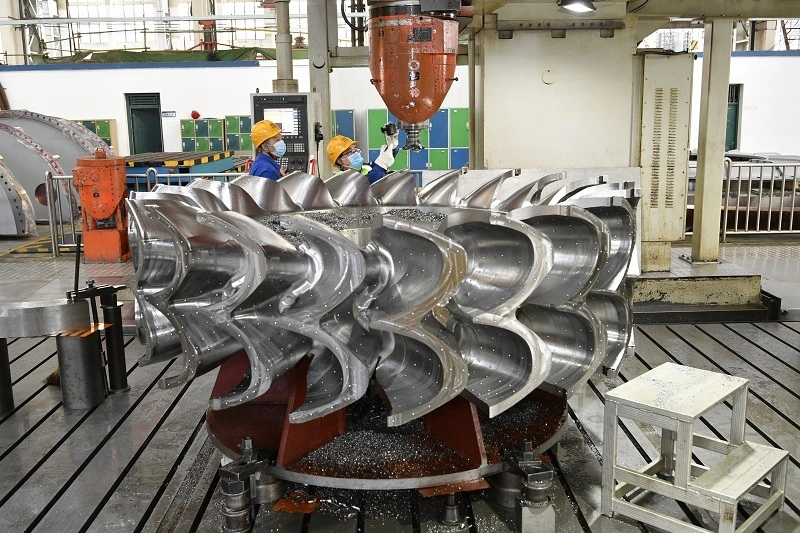
Once the material is selected, the shaping process begins. This can be achieved through various methods. Cutting is a common initial step, with techniques like laser cutting, plasma cutting, and waterjet cutting allowing for precise and clean cuts of the metal sheet or bar. Bending follows, where the metal is formed into different angles and curves using press brakes or roll - forming machines. Stamping is another important process, especially for mass - producing identical metal parts. In stamping, a die is used to cut, shape, or form the metal under high pressure.
After shaping, the metal parts may need to be joined together. Welding is a popular method for this, including techniques such as TIG (Tungsten Inert Gas) welding, MIG (Metal Inert Gas) welding, and spot welding. Riveting and bolting are also used when permanent or removable connections are required. Finally, surface finishing processes like painting, powder coating, or electroplating are applied to enhance the appearance and protect the metal from corrosion.

Diverse Applications of Fabricated Metal
Fabricated metal has an incredibly wide range of applications across multiple industries. In the construction industry, it is used for building structural components, such as beams, columns, and trusses. It also plays a vital role in creating architectural elements like railings, gates, and decorative facades.
In the automotive industry, fabricated metal is used to make car bodies, engine components, and exhaust systems. The aerospace industry relies on fabricated metal for aircraft frames, wings, and engine parts, where high - strength and lightweight materials are crucial.
The manufacturing sector uses fabricated metal to produce machinery, equipment, and tools. From conveyor belts in factories to the parts of heavy - duty industrial machines, fabricated metal ensures functionality and durability. Even in the consumer goods industry, fabricated metal can be found in products like furniture, kitchen appliances, and electronics casings, adding both strength and aesthetic appeal.
In conclusion, fabricated metal is an integral part of modern manufacturing and construction. Its versatility, strength, and durability make it a preferred choice across countless industries. Understanding what fabricated metal is and how it is produced helps us appreciate the countless products and structures that rely on this essential material. Whether you're a professional in the manufacturing field or simply curious about the world around you, the story of fabricated metal is truly fascinating.
How to Attach Fabric to Metal
What is Fabricating Metal?
Related Article
Fast sampling is the fastest way to win business in the hardware machining and plastic mold industries.
how to print things

Fast sampling is the fastest way to win business in the hardware machining and plastic mold industries.
how to print on a 3d printer

