
what is difference between gold filled and gold plated
Author: SZTC
2025-08-16
When it comes to gold - toned jewelry, two common terms you’ll often encounter are “gold filled” and “gold plated”. While they may look similar at first glance, these two techniques result in pieces that differ significantly in quality, durability, and value. In this blog, we’ll break down what each term means and explore the main distinctions between them.
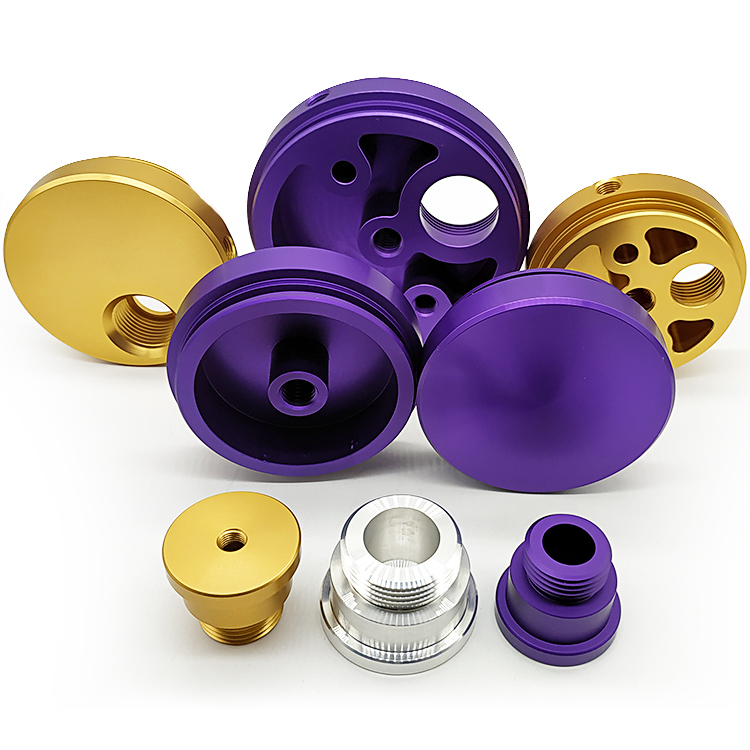
What is Gold Plating?
Gold plating is a process where a thin layer of gold is applied to the surface of a base metal, such as copper, brass, or nickel. This layer is extremely thin, typically measuring just a few microns (a micron is one - millionth of a meter). In fact, the gold content in gold plated jewelry is usually less than 0.05% of the total weight of the piece.
The plating is done using an electrochemical process, where the base metal is submerged in a solution containing gold ions. An electric current is then passed through the solution, causing the gold ions to adhere to the surface of the base metal, forming the thin gold layer.
Characteristics of Gold Plated Jewelry
One of the most notable features of gold plated jewelry is its affordability. Because only a tiny amount of gold is used, these pieces are often much cheaper than their gold filled counterparts. They also offer a wide range of styles, making them a popular choice for trendy, disposable jewelry.
However, gold plated jewelry has its drawbacks. The thin gold layer is prone to wearing off over time, especially with frequent use. Factors like exposure to water, sweat, and chemicals (such as those in perfume or lotion) can 加速 (accelerate) this process, revealing the base metal underneath, which may then tarnish or cause skin irritation for some people.

What is Gold Filling?
Gold filled jewelry, on the other hand, involves bonding a thicker layer of gold to a base metal core. The gold layer in gold filled pieces is significantly thicker than in gold plated ones, usually making up at least 5% of the total weight of the item. This is why gold filled jewelry is sometimes referred to as “rolled gold” or “gold overlay”.
The manufacturing process for gold filled jewelry is more complex. It involves heating and pressing a layer of gold onto a base metal (often brass or copper) under high pressure. This creates a strong bond between the two metals, making the gold layer much more durable.
Characteristics of Gold Filled Jewelry
Durability is a key advantage of gold filled jewelry. The thick gold layer is highly resistant to wear and tear, even with daily use. It can withstand exposure to water, sweat, and most chemicals without the gold layer wearing off easily. This makes gold filled jewelry a great option for those who want a long - lasting piece that looks like solid gold.
In terms of appearance, gold filled jewelry closely resembles solid gold. The thick gold layer gives it a rich, lustrous finish that is hard to distinguish from real gold at first glance. It also ages well, developing a beautiful patina over time, similar to solid gold.

Gold Content
The most significant difference is the amount of gold used. Gold plated jewelry has a very thin layer of gold, with a gold content of less than 0.05%. Gold filled jewelry, on the other hand, has a much thicker gold layer, with the gold making up at least 5% of the total weight.
Durability
Due to the difference in gold layer thickness, gold filled jewelry is far more durable than gold plated jewelry. The thin layer of gold on plated pieces can wear off quickly, especially with regular use, while the thick layer on gold filled pieces can last for many years, even decades, with proper care.
Price
As you might expect, gold filled jewelry is more expensive than gold plated jewelry. The higher gold content and more complex manufacturing process contribute to the higher price tag. However, gold filled jewelry is still much more affordable than solid gold, making it a good middle - ground option.
Hypoallergenic Properties
Many people with sensitive skin find that gold plated jewelry can cause irritation. This is because, as the gold layer wears off, the base metal (which may contain nickel or other allergens) comes into contact with the skin. Gold filled jewelry is less likely to cause skin irritation because the thick gold layer acts as a barrier, preventing the base metal from touching the skin, even with long - term use.

In summary, gold filled and gold plated jewelry may look similar, but they differ greatly in gold content, durability, price, and hypoallergenic properties. Gold plated jewelry is a budget - friendly option for trendy, short - term pieces, while gold filled jewelry offers better quality, durability, and value for money, making it a great choice for everyday wear and long - lasting jewelry.
When shopping for gold - toned jewelry, it’s important to understand these differences to make an informed decision based on your needs, budget, and how often you plan to wear the piece.
What is Plated Gold? A Comprehensive Guide
What Does It Mean to Be Gold Plated? A Clear Explanation
Related Article
Fast sampling is the fastest way to win business in the hardware machining and plastic mold industries.
how to print things

Fast sampling is the fastest way to win business in the hardware machining and plastic mold industries.
how to print on a 3d printer

