


Injection Molding Plastic Parts
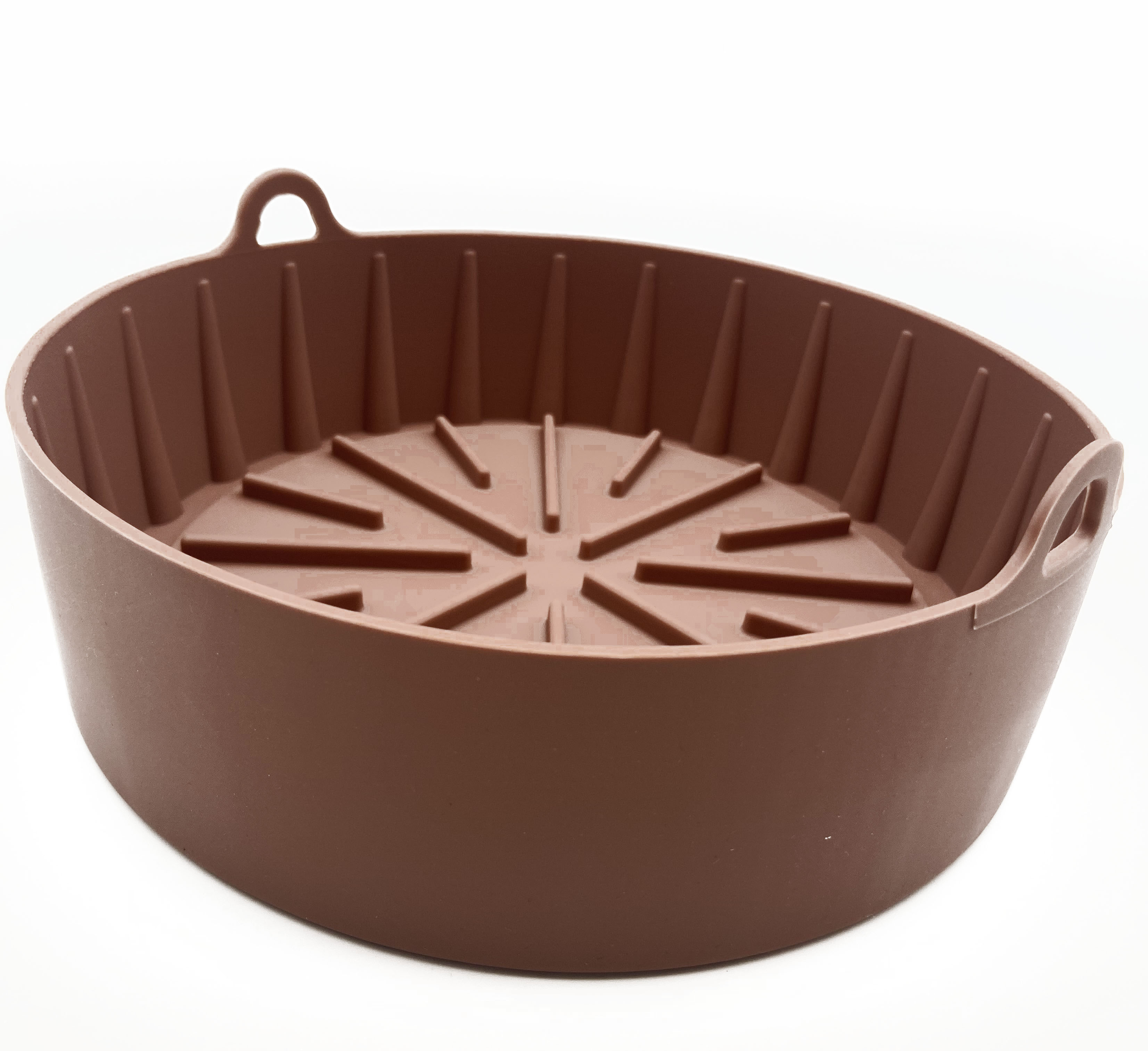
 Polypropylene ABS Plastic Parts Polymer Shaped PartsDurable and lightweight polypropylene ABS plastic parts for all your shaping needs.ZZ
 ABS PC Plastic Injection Molding Product ABS Injection Molding PartsCustom ABS & ABS+PC injection molding parts manufacturer offering OEM plastic shell customization. High rigidity, impact-resistant ABS molded components for electronics, auto and automation equipment. Support drawing-based mold opening, sample trial production and diversified surface treatment. Stable quality, competitive factory price & fast delivery.ABS
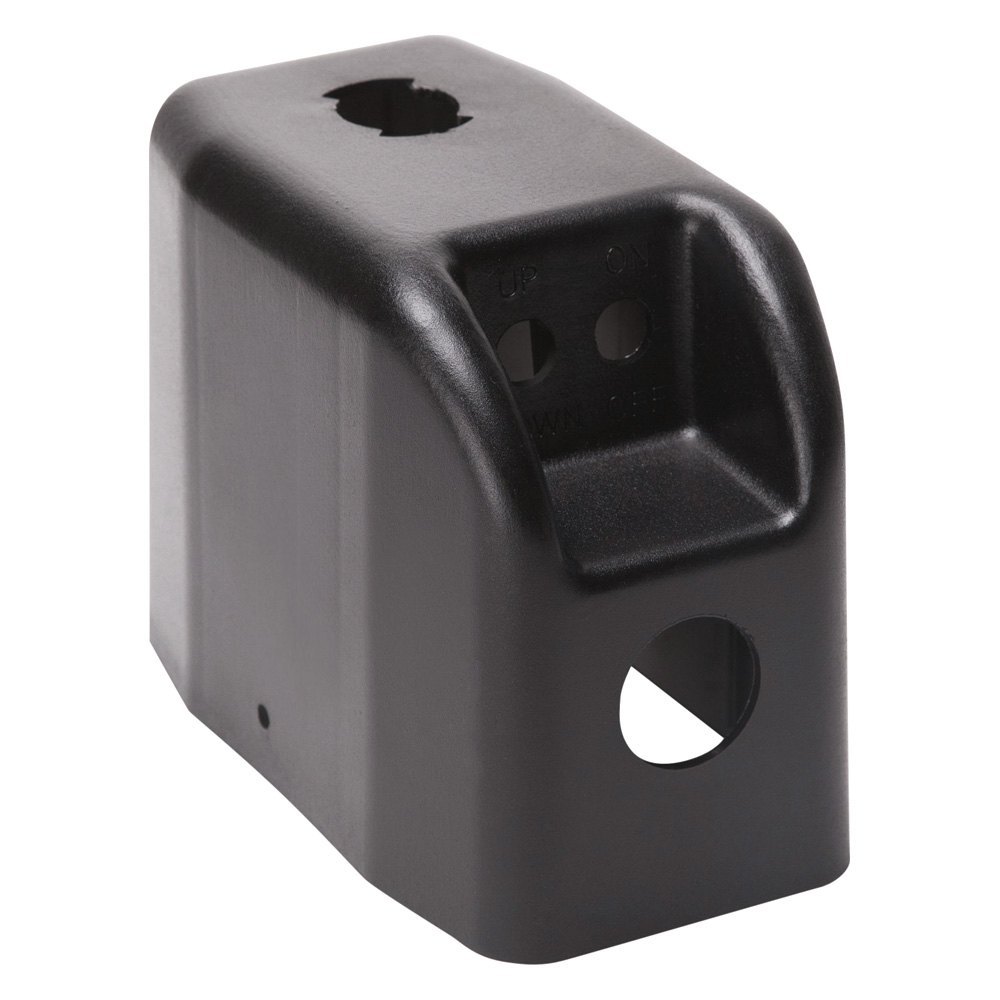
 Small Enclosure Case for ElectronicsProtect and organize your electronics with this compact enclosure case. Durable and versatile, it's perfect for hobbyists and professionals alike.ZZ
 ABS Plastic Assembled Table PartsHigh-quality ABS plastic table parts that are easy to assemble and durable.ZZ
Introduction: In the world of manufacturing and product development, the creation of intricate and custom plastic parts is a vital necessity. Injection molding, as a versatile and highly efficient process, is at the forefront of this industry. In this article, we will explore the ins and outs of injection molding plastic parts, its applications, benefits, and why it's essential in various sectors.
Understanding Injection Molding Plastic Parts
What is Injection Molding?
Injection molding is a manufacturing process that involves injecting molten plastic material into a mold cavity. Once the material cools and solidifies, it takes the shape of the mold, resulting in precise and detailed plastic parts. This process is widely used for its ability to create complex, high-quality, and repeatable parts with remarkable consistency.
Key Benefits of Injection Molding:
Precision and Complexity: Injection molding offers the ability to create intricate, highly detailed parts with tight tolerances, making it a go-to choice for industries requiring precision.
Cost-Effective: Mass production of parts is cost-efficient, reducing per-unit costs and making it ideal for large production runs.
Wide Material Selection: A vast array of plastic materials can be used, offering a variety of properties such as durability, flexibility, and heat resistance.
Efficiency and Speed: The process is incredibly fast, enabling quick turnaround times, ensuring you can meet tight production schedules.
Reduced Waste: Minimal material wastage, as excess material can often be recycled, which is beneficial for both cost and sustainability.
Applications of Injection Molding Plastic Parts
Injection molding has a vast range of applications in various industries. Here are some key sectors where injection molded plastic parts are essential:
1. Automotive Industry:
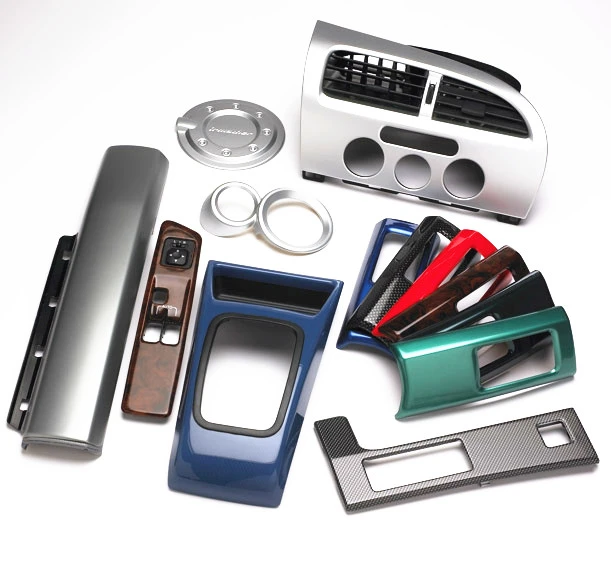
From dashboard components to interior trim and under-the-hood parts, the automotive industry relies heavily on injection molded plastic parts. Their precision and durability are essential for vehicle safety and performance.
2. Consumer Electronics:
Your smartphones, laptops, and other gadgets often feature intricate, injection-molded plastic parts. These parts offer a balance between aesthetics and functionality while ensuring a sleek design.
3. Medical Devices:
In the healthcare sector, injection molding is used for producing medical device components that meet strict safety and regulatory standards. This ensures the reliability of devices like syringes, IV connectors, and more.
4. Packaging:
Injection molding is instrumental in manufacturing various types of packaging, including bottles, caps, and closures. It offers the advantage of producing lightweight yet durable packaging solutions.
5. Aerospace:
The aerospace industry requires lightweight, precision parts. Injection molding is used for producing components like brackets, clips, and interior parts for aircraft.
How Injection Molding Works
The injection molding process can be broken down into several key steps:
Mold Creation: A mold is designed to match the desired part shape. It can be made of steel or aluminum, depending on production volume.
Injection: Molten plastic material is injected into the mold at high pressure. The material fills the mold cavity and takes its shape.
Cooling: The plastic cools and solidifies inside the mold.
Ejection: The mold opens, and the newly formed part is ejected.
Quality Control: Parts are inspected for quality and any necessary finishing processes are performed.
The Future of Injection Molding
Injection molding continues to evolve with advancements in materials and technology. Engineers and manufacturers are constantly exploring ways to improve the process, enhance material properties, and reduce environmental impact.
In conclusion, injection molding plastic parts offer precision, versatility, and efficiency for a wide range of industries. The benefits of this manufacturing method make it an essential component of modern production processes, delivering quality products that meet the demands of consumers, regulators, and industries worldwide. As technology and materials advance, the future of injection molding remains bright, promising even greater innovation in the years to come. Whether you're in automotive, electronics, medical devices, or any other field, injection molding can be the key to unlocking your product's success.
Send Message
Comprehensive score