
Is CNC Machining Hard? Unveiling the Realities
Author: SZTC
2025-06-06
CNC machining, short for Computer Numerical Control machining, has revolutionized the manufacturing industry with its precision and efficiency. However, a common question lingers among enthusiasts, students, and potential professionals: “Is CNC machining hard?” The answer isn't a simple yes or no; it's a nuanced exploration of various factors that contribute to the perceived difficulty of this intricate craft.

Technical Proficiency: A Steep Learning Curve
One of the primary aspects that make CNC machining seem challenging is the technical knowledge required. Understanding the mechanics of CNC machines, such as lathes, mills, and routers, demands familiarity with complex systems. From learning about axes of movement (X, Y, Z, and even additional rotational axes) to grasping how different cutting tools interact with materials, the technical foundation is vast.
Moreover, operating CNC machines involves knowledge of electrical and mechanical components. Troubleshooting issues like spindle malfunctions or axis misalignments requires a combination of theoretical understanding and practical experience. For beginners, these technical intricacies can create a steep learning curve, making CNC machining appear daunting at first.

Programming Prowess: The Digital Blueprint
CNC machining relies heavily on programming to execute precise cuts and movements. Programming languages like G-code, the universal language for CNC machines, involve writing lines of code to define toolpaths, speeds, and feeds. Crafting accurate G-code demands meticulous attention to detail, as a single typo can lead to errors in the final product or even damage the machine.
Advanced CNC machining often requires the use of Computer-Aided Design (CAD) and Computer-Aided Manufacturing (CAM) software. Translating 3D models from CAD into executable CAM programs involves mastering these complex software suites. Learning to navigate interfaces, manage tolerances, and optimize toolpaths adds another layer of difficulty, especially for those new to digital design and manufacturing processes.
Practical Application: Beyond Theory
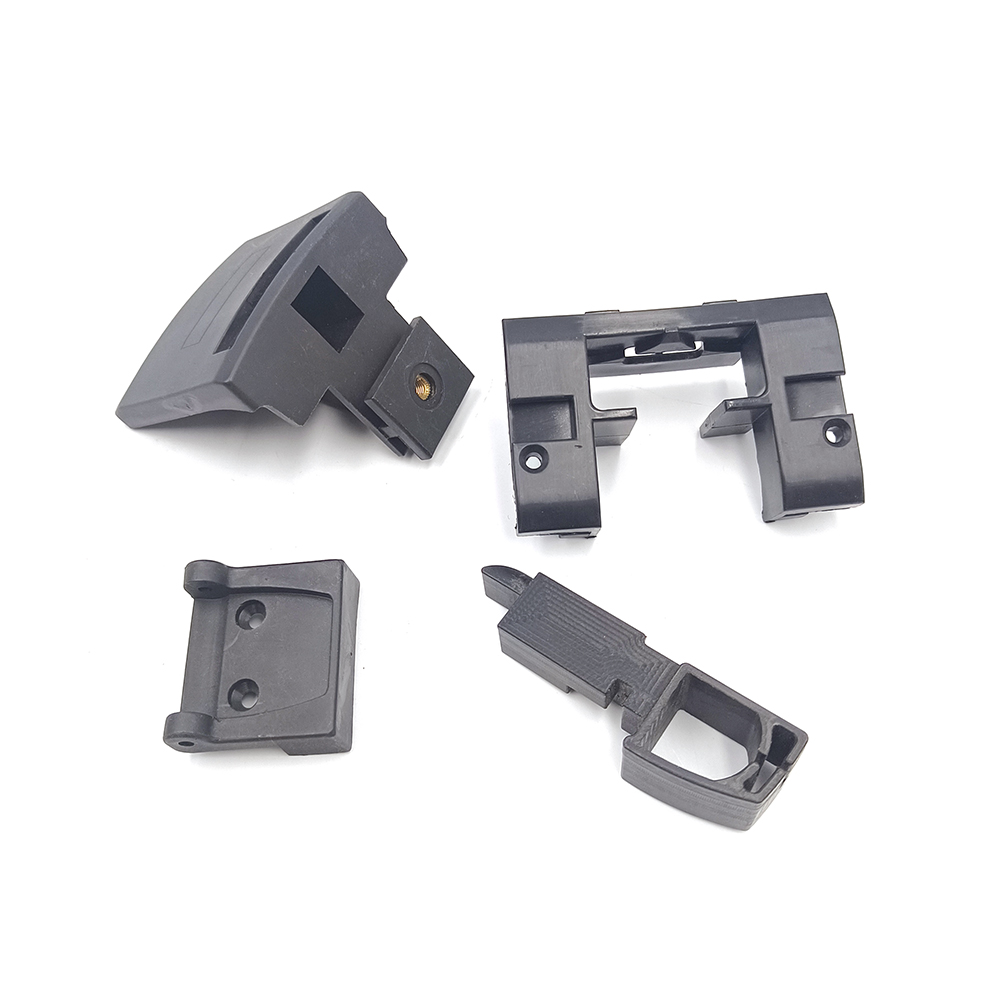
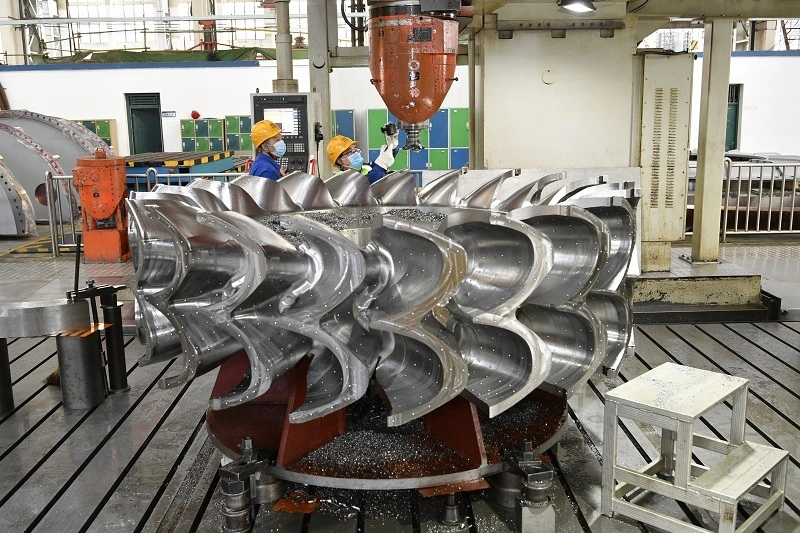
While theoretical knowledge is crucial, the real test of CNC machining lies in practical application. Setting up a CNC machine involves tasks like securing the workpiece, calibrating tools, and ensuring proper alignment. Each material—whether it's metal, plastic, or wood—has unique properties that affect cutting parameters, such as speed and depth of cut. Adjusting these variables on the fly requires hands-on experience and an intuitive understanding of material behavior.
Additionally, maintaining consistency in production runs is challenging. Factors like tool wear, machine vibrations, and environmental conditions can impact the quality of the final product. Monitoring and making real-time adjustments to uphold precision standards are skills that develop over time, highlighting the importance of practical experience in mastering CNC machining.
In conclusion, CNC machining is indeed hard, but not insurmountable. Its difficulty stems from the combination of technical complexity, programming challenges, and the need for practical expertise. However, with dedication, continuous learning, and hands-on practice, individuals can overcome these hurdles and unlock the rewarding world of CNC machining, where precision meets innovation.
What Can You Do with a CNC Machine? Unleashing Its Versatility
How to Learn CNC Machine
Related Article
Fast sampling is the fastest way to win business in the hardware machining and plastic mold industries.
how to print things

Fast sampling is the fastest way to win business in the hardware machining and plastic mold industries.
how to print on a 3d printer

