
How to Clean Gold Plated Metal: Safe, Easy Steps to Keep It Shiny
Author: SZTC
2025-10-21
Gold plated metal adds a touch of elegance to jewelry, watches, home decor, and even kitchenware—but its thin gold layer is delicate. Scratching, harsh chemicals, or wrong cleaning methods can wear away the plating, leaving the base metal exposed. If you’re wondering how to clean gold plated metal without damaging it, you’re in the right place. This guide breaks down safe, effective steps to restore its shine and extend its life.
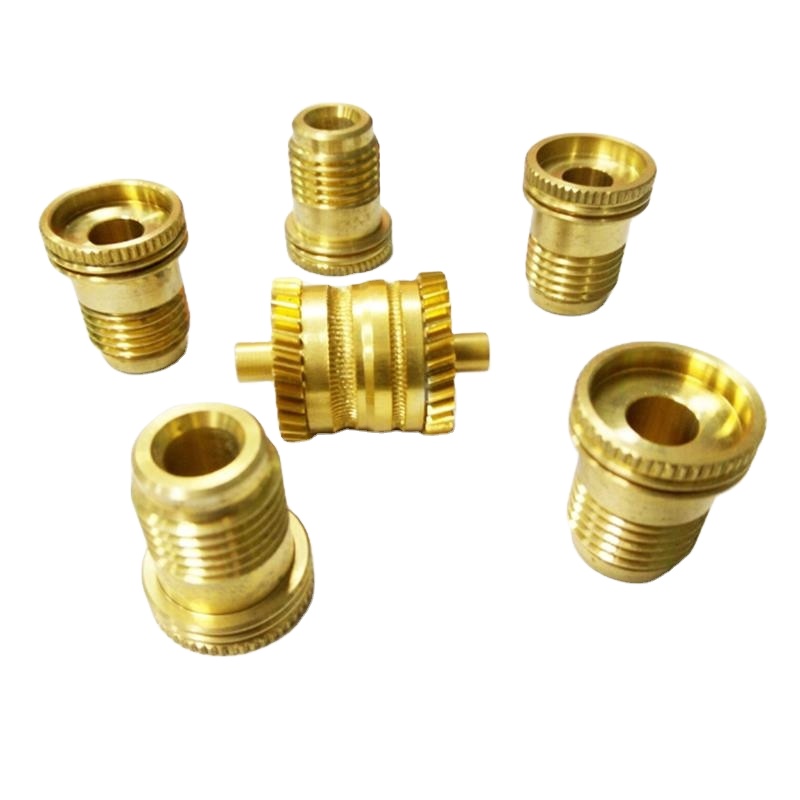
The key to cleaning gold plated metal is using gentle, non-abrasive materials. Harsh cleaners (like bleach, ammonia, or jewelry dip) and rough tools (steel wool, stiff brushes) will scratch or dissolve the gold layer. Here’s what you’ll need:
1.1 Essential Safe Supplies
- Mild dish soap: Look for a pH-neutral, fragrance-free option (avoid antibacterial soaps with strong chemicals).
- Warm (not hot) water: Hot water can loosen the gold plating over time.
- Soft microfiber cloth or cotton ball: These won’t scratch the surface—avoid paper towels (they’re too rough).
- Soft-bristled brush (optional): A clean, old toothbrush (with soft bristles) works for tiny crevices (e.g., jewelry chains or engraved designs).
- Dry, lint-free cloth: For drying—choose a soft material like chamois or a clean microfiber towel.

Follow these simple steps to clean your gold plated items without risk. The process works for most gold plated pieces, from necklaces to serving trays.
2.1 Prep the Cleaning Solution
Fill a small bowl with warm water (about 100–110°F/38–43°C—test it with your wrist; it should feel comfortable, not hot). Add 1–2 drops of mild dish soap and stir gently to create a soapy solution (no suds needed—too much soap can leave residue).
2.2 Wipe or Soak (Depends on the Item)
- For small, delicate items (jewelry, watches): Dip a soft microfiber cloth or cotton ball into the soapy water, wring out excess moisture (it should be damp, not dripping), and gently wipe the surface. Focus on dirty spots (like tarnish or oil from skin) but avoid rubbing too hard.
- For larger items (decor, trays): Place the item in the soapy water and let it soak for 5–10 minutes (never longer—soaking can weaken the plating). This loosens dirt without scrubbing.
2.3 Clean Crevices (If Needed)
For items with tiny gaps (e.g., chain links, engraved patterns), use a soft-bristled toothbrush. Dip the brush in the soapy solution, then gently brush the crevices in circular motions. Be extra careful—pressing too hard can scratch the gold.
2.4 Rinse and Dry Thoroughly
- Rinse: Use warm (not hot) water to rinse off any soap residue. Hold the item under a gentle stream or dip it in a bowl of clean warm water. Residue left on the surface can attract dirt and cause tarnish over time.
- Dry: Pat the item dry immediately with a lint-free cloth. Don’t air-dry—water spots can form, and moisture can damage the plating. For small jewelry, use a soft cloth to dry every link or detail.

Even with the right steps, mistakes can ruin gold plated metal. Here’s what to steer clear of to keep your items in top shape.
3.1 Harsh Cleaners and Tools to Skip
Never use these on gold plated metal:
- Abrasive cleaners: Scrub sponges, steel wool, or polishing cloths with embedded particles (they scratch the gold).
- Chemicals: Bleach, ammonia, vinegar, lemon juice, or commercial jewelry cleaners (they dissolve the thin gold layer).
- Ultrasonic cleaners: These machines use vibrations to clean—but they’re too harsh for gold plating and can loosen the layer from the base metal.
3.2 How to Prevent Tarnish (Long-Term Care)
Cleaning is important, but prevention is better. To keep gold plated metal shiny longer:
- Remove jewelry before washing hands, showering, or swimming (water, soap, and chlorine damage plating).
- Avoid contact with lotions, perfumes, or hairspray—apply these first, then put on your gold plated items.
- Store items in a dry, cool place: Use a soft pouch or jewelry box lined with felt to prevent scratches and exposure to moisture.
Final Tip: When to Stop Cleaning
If you notice the gold plating is peeling, fading, or the base metal is showing through, stop cleaning. Further wiping or scrubbing will only make the damage worse. For severely tarnished items, consult a professional jeweler—they may be able to re-plate the item (if it’s worth saving).
By following these steps, you’ll keep your gold plated metal looking shiny and new for years. Remember: gentle is key—treat it like the delicate layer it is, and it will retain its elegance.
A Beginner’s Guide: How to Gold Plate Jewelry at Home
Does Gold Plated Stick to a Magnet? The Complete Guide
Related Article
Fast sampling is the fastest way to win business in the hardware machining and plastic mold industries.
how to print things

Fast sampling is the fastest way to win business in the hardware machining and plastic mold industries.
how to print on a 3d printer

