
Does Gold Plated Tarnish? Everything You Need to Know
Author: SZTC
2025-07-15
Gold plated jewelry has become a popular choice for those who love the look of gold without the high price tag. But a common question lingers: does gold plated tarnish? In this blog, we’ll explore the ins and outs of gold plated items, why tarnishing happens, and how to keep your favorite pieces looking their best.
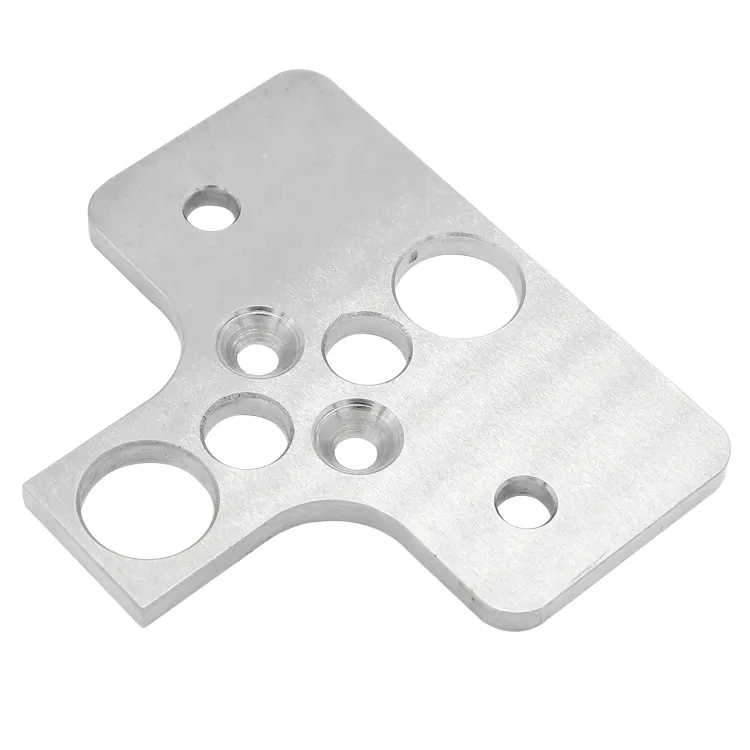
Gold plating is a process where a thin layer of real gold is applied to a base metal, such as copper, brass, or silver. This layer can vary in thickness, usually measured in microns (a micron is one-millionth of a meter). Common gold plated items range from 0.5 microns to 5 microns in gold thickness.
Unlike solid gold, which is made entirely of gold (measured in karats, like 14k or 18k), gold plated pieces rely on the base metal for structure. The thin gold layer gives the jewelry its shiny, golden appearance, but it’s not as durable as solid gold. This difference in structure is key to understanding why tarnishing can occur.
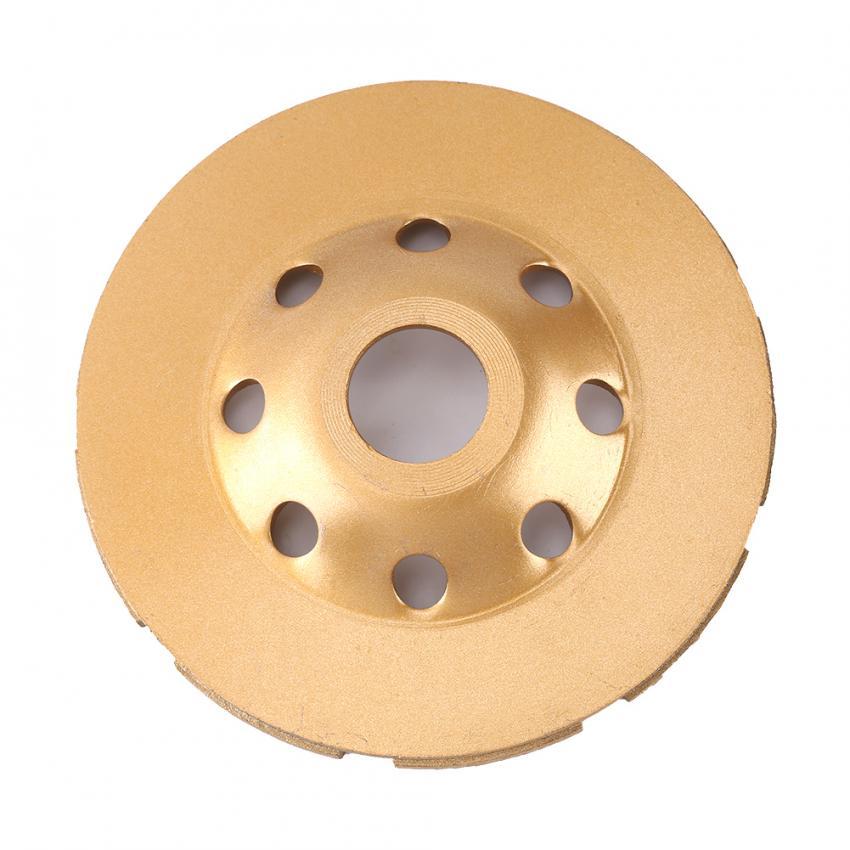
Yes, gold plated items can and do tarnish over time. Tarnishing is not the same as rust, which affects iron and steel. Instead, it’s a chemical reaction that causes discoloration, often appearing as a dull, dark film or spots on the surface of the jewelry.
Why Does Gold Plated Tarnish?
The main reason gold plated items tarnish is because the thin gold layer can wear away, exposing the base metal underneath. When the base metal (like copper or brass) comes into contact with air, moisture, or certain substances, it reacts. For example:
- Oxygen in the air can cause oxidation, leading to discoloration.
- Moisture from sweat, water, or humidity can speed up this process.
- Chemicals from perfume, lotion, hairspray, or cleaning products can react with the base metal, causing tarnishing or even 腐蚀 (corrosion) of the gold layer.
Even if the gold layer is still intact, tiny pores or scratches in the plating can allow these elements to reach the base metal, starting the tarnishing process from below. Over time, this can make the jewelry look dull, discolored, or uneven.

While gold plated tarnish is inevitable, you can slow down the process with proper care. Here are some practical tips:
1. Keep It Dry
Avoid wearing gold plated jewelry in the shower, pool, or while exercising. Moisture accelerates tarnishing, so remove your pieces before activities that cause sweating or exposure to water.
2. Avoid Chemicals
Take off your gold plated jewelry before applying perfume, lotion, or hairspray. These products contain chemicals that can break down the gold layer and react with the base metal. Also, remove jewelry before cleaning with harsh chemicals.
3. Store It Properly
When not wearing your gold plated pieces, store them in a dry, airtight container. A jewelry box with anti-tarnish strips can also help. Keep each piece separate to prevent scratching, which can expose the base metal.
4. Clean Gently
Clean your gold plated jewelry regularly with a soft, dry cloth to remove dirt and oils. If needed, use a mild soap and water solution, but dry it immediately afterward. Avoid using abrasive cleaners or brushes, as they can scratch the gold layer.
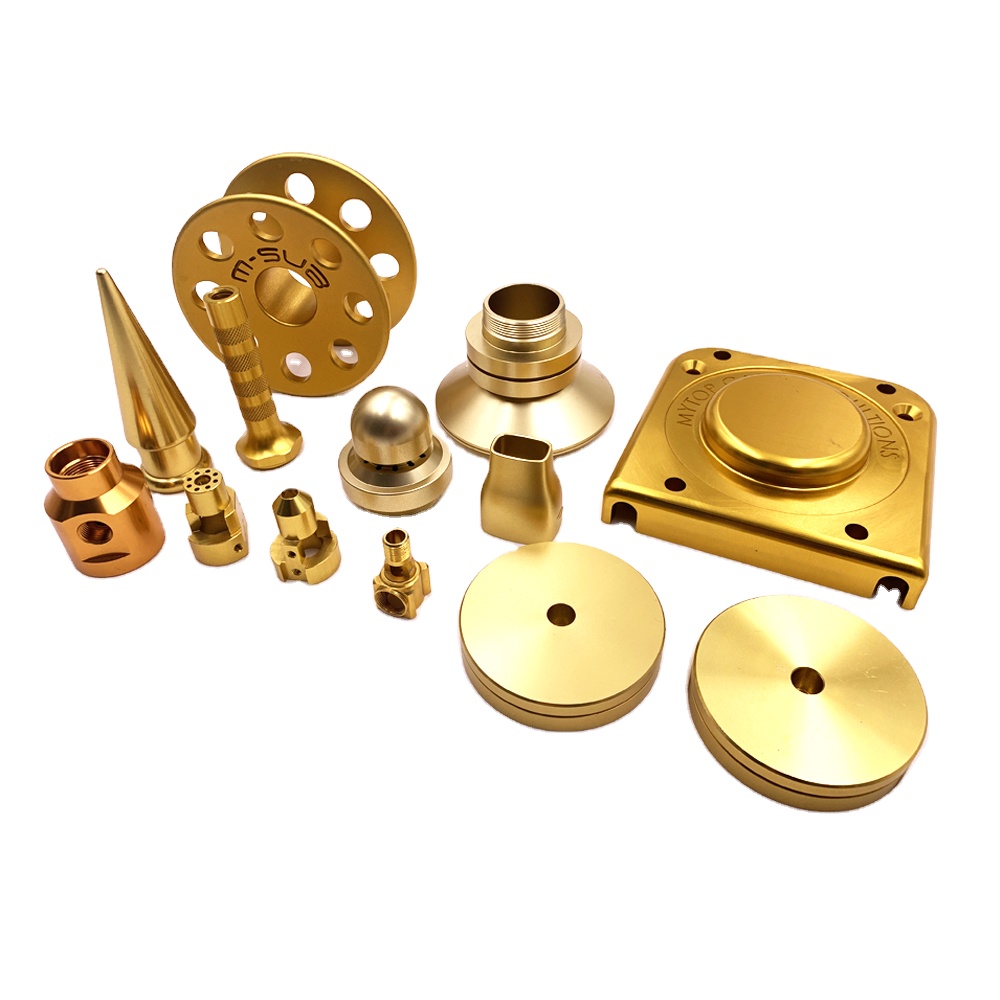
So, does gold plated tarnish? Yes, but with the right care, you can extend the life and shine of your gold plated jewelry. Remember that the key to preventing tarnish is protecting the thin gold layer from wear, moisture, and chemicals. By following these simple steps, you can enjoy your favorite gold plated pieces for longer, keeping them looking beautiful.
What Does Gold Plated Mean? A Complete Guide
Is Silver Plating Worth Anything? Unveiling Its True Value
Related Article
Fast sampling is the fastest way to win business in the hardware machining and plastic mold industries.
how to print things

Fast sampling is the fastest way to win business in the hardware machining and plastic mold industries.
how to print on a 3d printer

