
Does Gold Plated Stick to a Magnet? The Complete Guide
Author: SZTC
2025-10-21
If you’ve ever held a gold-plated piece of jewelry, a watch, or a decorative item and wondered, “Will this stick to a magnet?” you’re not alone. Magnet tests are a common (but often misunderstood) way to check for real gold—but how do they work for gold-plated items? Let’s break down the science, the facts, and what you need to know to avoid confusion.
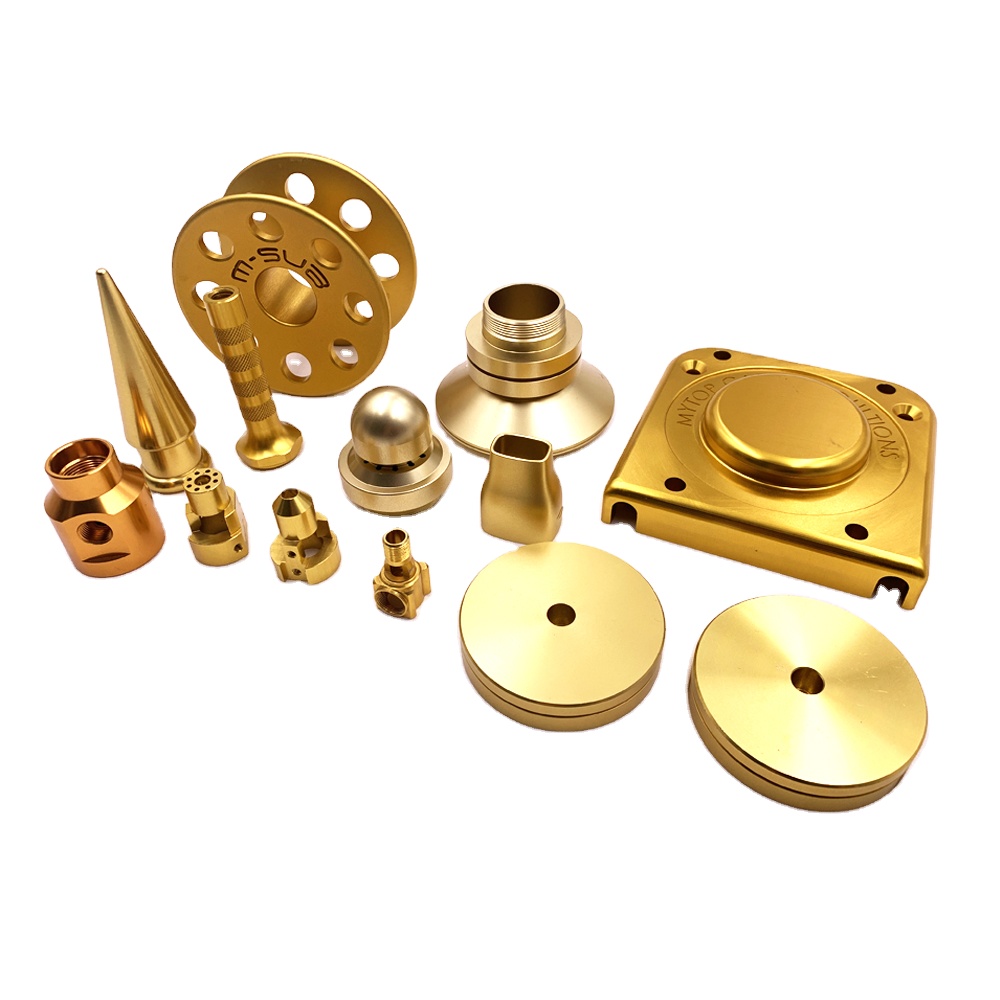
Before we answer whether gold plated sticks to a magnet, let’s clarify what “gold plated” means. Gold plating is a thin layer of real gold applied to a base metal. The base metal is the “core” of the item, and the gold layer is usually just a few microns thick (think: thinner than a human hair).
1.1 Common Base Metals in Gold-Plated Items
The base metal is the key here—because magnetism depends on the core, not the thin gold layer. Most gold-plated items use base metals like:
- Iron: Often found in budget jewelry or hardware (e.g., gold-plated screws).
- Nickel: Popular for jewelry because it’s durable (but can cause allergies for some).
- Brass or Copper: Less common as base metals for plating, but still used in some decorative pieces.
- Stainless Steel: Sometimes used for watches or tools (some stainless steels are magnetic, others aren’t).
Real gold itself is not magnetic—it’s a non-ferrous metal, meaning it contains no iron and won’t attract magnets. But the base metal? That’s a different story.

Short answer: It depends on the base metal. Let’s break this down with clear scenarios to avoid guesswork.
2.1 If the Base Metal Is Magnetic (e.g., Iron, Nickel)
If the core of the gold-plated item is made of a magnetic metal (like iron or most types of nickel), the item will stick to a magnet. The thin gold layer on top doesn’t change the base metal’s magnetic properties—think of it like painting a wooden chair red: the paint (gold) doesn’t change the fact that the chair is wood (base metal).
For example: A gold-plated iron necklace will cling to a fridge magnet, even though the gold itself isn’t magnetic.
2.2 If the Base Metal Is Non-Magnetic (e.g., Pure Copper, Some Stainless Steels)
If the base metal is non-magnetic, the gold-plated item won’t stick to a magnet. This is common for higher-quality gold-plated pieces, where manufacturers use non-ferrous base metals to avoid rust or discoloration.
For example: A gold-plated copper bracelet won’t attract a magnet—neither the copper base nor the gold layer is magnetic.

While a magnet can tell you about the base metal of a gold-plated item, it can’t answer two important questions:
3.1 It Doesn’t Tell You How Thick the Gold Layer Is
A magnet won’t distinguish between a high-quality gold-plated item (with a thick gold layer) and a cheap one (with a thin, easily worn layer). Both could stick to a magnet if their base metals are magnetic—or not, if the bases are non-magnetic.
3.2 It Can’t Confuse Gold Plated with Solid Gold
One upside: If an item sticks to a magnet, it’s not solid gold (since solid gold is non-magnetic). But if it doesn’t stick? It could still be gold-plated (with a non-magnetic base) or solid gold—you’ll need other tests (like checking for hallmarks or using a gold tester) to tell the difference.
Final Takeaway
So, does gold plated stick to a magnet? Only if its base metal is magnetic. The gold layer itself never attracts magnets—but the core metal underneath might. Next time you’re curious about a gold-plated piece, grab a small magnet: it’s a quick way to learn about the item’s base, but not the whole story about its quality or value.
How to Clean Gold Plated Metal: Safe, Easy Steps to Keep It Shiny
How to Clean Gold Plated Flatware: A Step-by-Step Guide to Keep It Shining
Related Article

Fast sampling is the fastest way to win business in the hardware machining and plastic mold industries.
how to print things

Fast sampling is the fastest way to win business in the hardware machining and plastic mold industries.
how to print on a 3d printer

