
Can Gold Plated Get Wet? What You Need to Know to Protect Your Pieces
Author: SZTC
2025-10-11
Gold plated jewelry and accessories add a touch of elegance without the high cost of solid gold. But one common question lingers for owners: Can gold plated get wet? The short answer is “it depends”—while occasional exposure to water won’t ruin your piece instantly, repeated or prolonged contact can damage the plating over time. In this blog, we’ll break down the facts, risks, and best practices to keep your gold plated items looking shiny for longer.
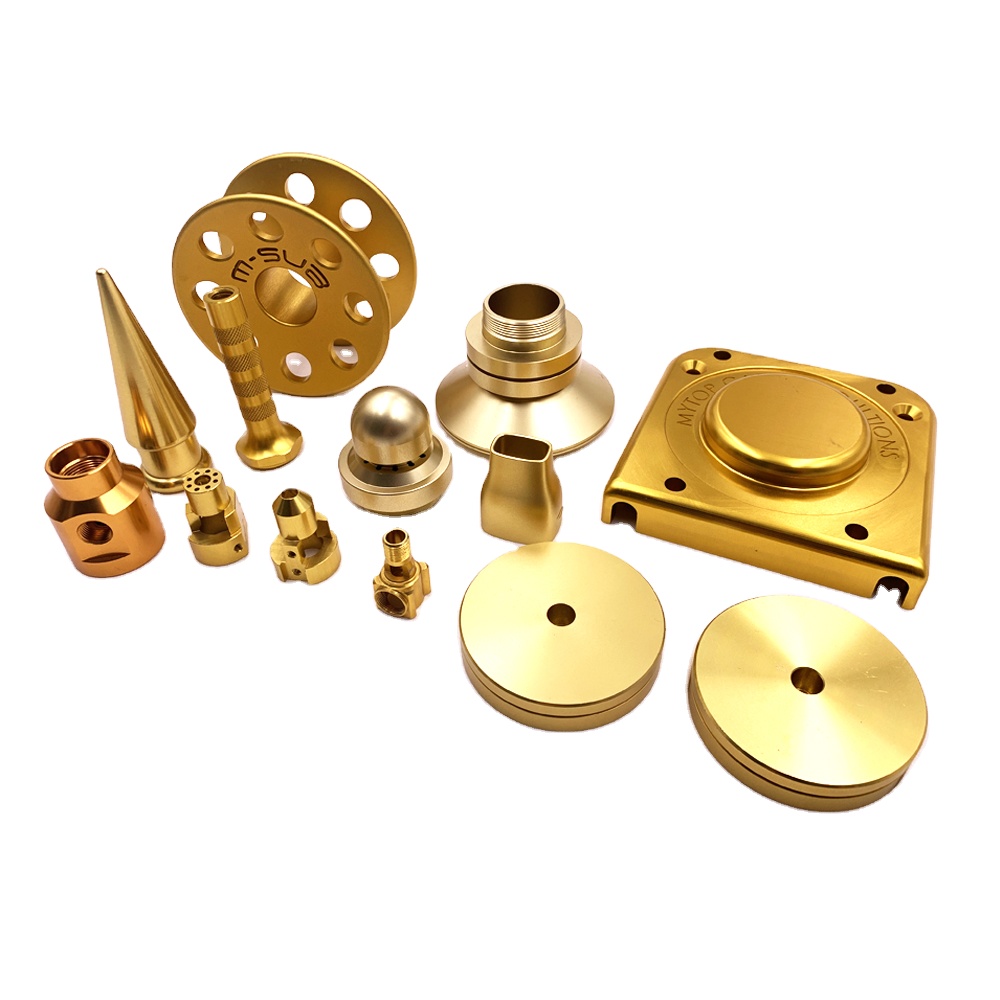
Before diving into whether gold plated items can get wet, it’s important to understand what gold plating actually is. Unlike solid gold (which is pure or alloyed gold through and through), gold plated pieces have a thin layer of gold bonded to a base metal—usually brass, copper, or silver. This layer can range from just 0.5 microns to 5 microns thick (for reference, a human hair is about 50-100 microns thick).
Water itself isn’t the enemy, but what’s in the water (and how long the plating is exposed) causes problems. Here’s why:
- Base metal reaction: The base metal (like copper) is often reactive. When water seeps through tiny cracks or wears in the gold layer, it can cause the base metal to oxidize (rust or tarnish). This leads to discoloration—think green or black spots on your jewelry.
- Chemicals in water: Tap water, pool water, and seawater contain chemicals (chlorine, salt, minerals) that speed up plating wear. Chlorine, for example, can break down the bond between the gold layer and the base metal, causing the plating to peel or fade faster.
1.1 How Thick Is the Plating? A Key Factor
The thickness of the gold plating plays a huge role in how well it resists water damage.
- Thin plating (0.5-1 micron): These pieces are more delicate. Even brief exposure to water (like washing hands with a ring on) can lead to wear over time.
- Thicker plating (2-5 microns): These are more durable. They can handle occasional water exposure (like getting caught in a light rain) without immediate damage, but they still need protection.

To extend the life of your gold plated pieces, there are specific situations where you should always remove them before getting wet. Here are the most critical ones:
2.1 Daily Activities Involving Water
Everyday tasks that involve water can slowly damage gold plating. Make it a habit to take off your jewelry before:
- Washing hands or dishes: Soap and water can leave a film on the plating, and repeated exposure can wear down the gold layer.
- Showering or bathing: Hot water and shampoo/body wash contain harsh chemicals that break down plating. Even “gentle” products can cause discoloration over time.
- Swimming: This is one of the biggest risks. Pool water has chlorine (a strong oxidizer), and seawater has salt (which corrodes metal). Both can ruin gold plating in just one swim.
2.2 Exposure to Moisture and Humidity
It’s not just direct water contact—moisture in the air can also harm gold plated items. For example:
- Working out or sweating: Sweat contains salt and oils that can seep into the plating and react with the base metal. Always remove jewelry before exercising.
- Storing in humid areas: Bathrooms or unventilated closets are bad for gold plated pieces. Humidity speeds up tarnishing of the base metal, which shows through the gold layer.

Accidents happen—maybe you forgot to take off your necklace before a shower, or you got caught in a downpour. Here’s how to minimize damage if your gold plated piece gets wet:
3.1 Step 1: Dry It Immediately
The longer water sits on the plating, the more damage it can cause. Use a soft, lint-free cloth (like a microfiber cloth or a jewelry polishing cloth) to gently pat the item dry. Don’t rub it vigorously—this can scratch the thin gold layer.
3.2 Step 2: Clean It Gently (If Needed)
If the item was exposed to soap, chlorine, or salt, follow up with a gentle clean:
- Mix a few drops of mild dish soap (unscented, without moisturizers) with warm water.
- Dip a soft brush (like a toothbrush with soft bristles) into the solution and gently wipe the surface of the jewelry.
- Rinse with cold water (hot water can open up pores in the plating) and dry again immediately with a soft cloth.
3.3 Step 3: Check for Signs of Damage
After drying and cleaning, inspect the item for any changes:
- Look for discoloration (green, black, or faded spots).
- Check if the plating is peeling or flaking (this is a sign the base metal is exposed).
- If you see damage, stop wearing the item until you can have it re-plated (more on that below).
3.4 Can You Fix Water-Damaged Gold Plating?
If your gold plated item is discolored or the plating is wearing off, you have a few options:
- Re-plating: Many jewelry stores offer gold re-plating services. This involves removing the old plating and adding a new layer of gold, restoring the item’s shine. The cost depends on the size of the piece and the thickness of the new plating.
- Touch-up kits: For small, minor scratches or discoloration, you can use a gold plating touch-up pen (available online or at craft stores). These are temporary fixes but can hide small blemishes.
Final Thoughts: Can Gold Plated Get Wet?
To sum it up: Gold plated items can handle occasional, brief water exposure, but they should not be regularly or intentionally get wet. The thin gold layer is vulnerable to water, chemicals, and moisture, which can cause discoloration, peeling, or tarnishing.
By following simple habits—removing jewelry before water-based activities, storing it in a dry place, and drying it immediately if it gets wet—you can keep your gold plated pieces looking beautiful for years. Remember: a little care goes a long way in preserving that golden glow!
Can I Shower with Gold Plated Jewelry? The Ultimate Guide to Protecting Your Pieces
Will Gold Plated Sterling Silver Tarnish? What You Need to Know
Related Article
Fast sampling is the fastest way to win business in the hardware machining and plastic mold industries.
how to print things

Fast sampling is the fastest way to win business in the hardware machining and plastic mold industries.
how to print on a 3d printer

